

When Your Transmitters Lie, Your Process Dies
You know what nobody talks about?
That moment when you realize your pressure reading has been off for three weeks... and nobody caught it.
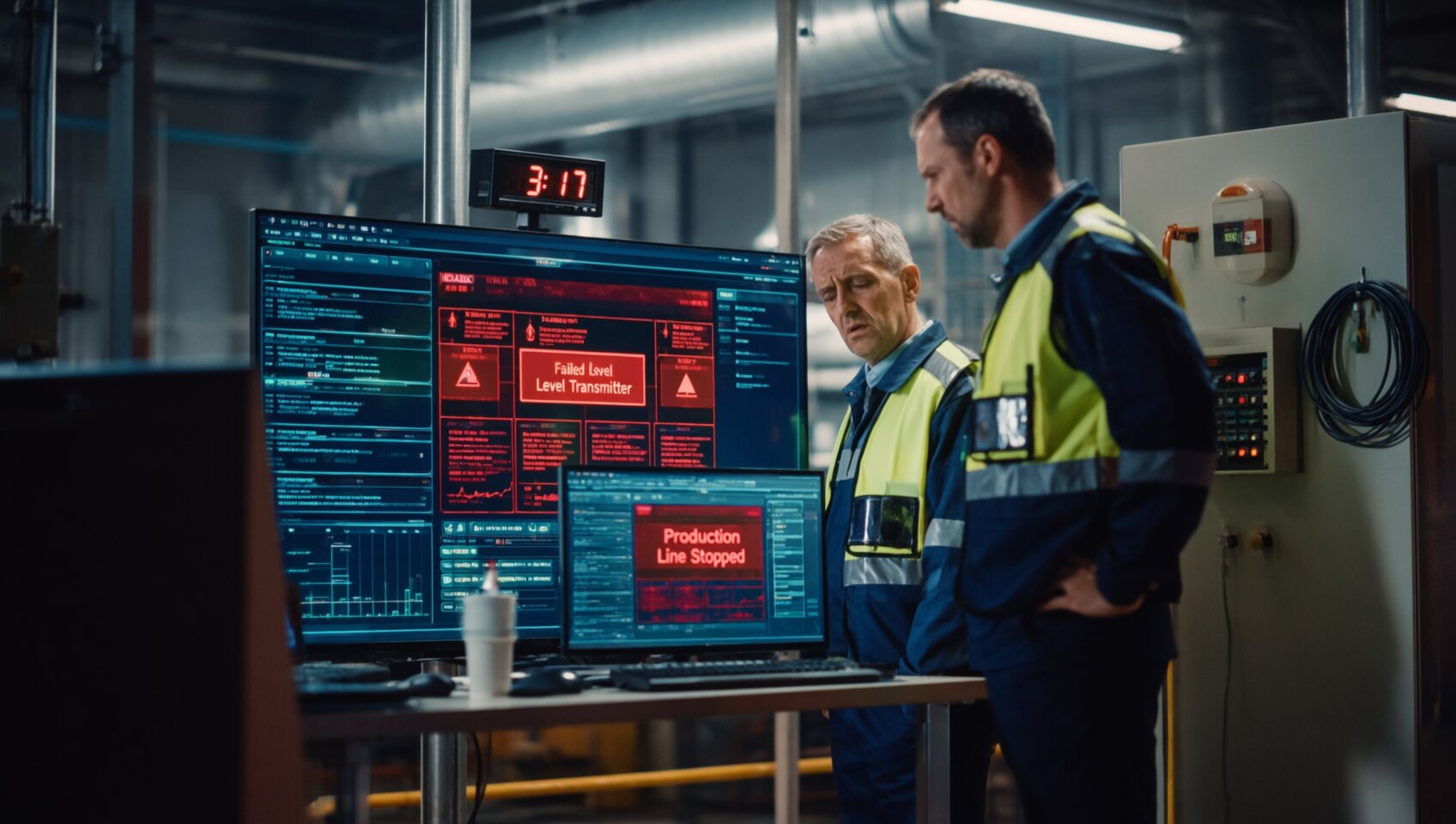
Or when the flow meter says you're pumping exactly what you should be, but your tank levels tell a very different story. Or that 3 AM phone call because the level transmitter decided "0%" and "100%" mean the same thing.
Here's what makes instrumentation different from every other electrical service:
The Brutal Truth About Process Instrumentation Nobody Wants to Admit
According to the International Society of Automation (ISA), poor calibration and measurement accuracy costs process industries an estimated $80 billion annually in lost productivity, off-spec product, and regulatory compliance issues.
The U.S. Department of Commerce National Institute of Standards and Technology (NIST) reports that measurement errors and calibration drift account for nearly 40% of all process control problems in industrial facilities.
Here's what's really happening in most facilities:
Calibration is treated like oil changes instead of life support. You know it's important. You even have a schedule. But when production is cranking and everything seems fine, that pressure transmitter calibration gets pushed to next month. Then next quarter. Then "we'll catch it during the turnaround."
Meanwhile, your transmitter has drifted 5% off spec. Your control loop is compensating for an error that doesn't exist. Your product quality is trending down so slowly nobody connects it to that transmitter you didn't calibrate six months ago.
Field installation is done by whoever's available instead of whoever knows instrumentation.
Running conduit and pulling wire doesn't mean you understand instrument ranging, suppression, elevation correction, or impulse piping installation. A poorly installed instrument can read perfectly in the calibration lab and lie continuously in the field.
Loop checking is skipped because "we tested the transmitter." Testing individual components isn't the same as verifying the entire signal chain. Is the 4-20mA signal reaching the PLC at the right values? Does the controller see what the transmitter is sending? Are the alarm setpoints configured correctly?
Loop checking answers these questions. Skipping it answers them later, usually expensively.
Documentation disappears. You had calibration certificates when you started up. Where are they now? What's the instrument tag number? What range is it configured for? What was the as-found condition during last calibration?
Without documentation, you're running blind and calling it normal.
Emergency repairs are done with whatever's in stock instead of instrumenting correctly for the application. Not all pressure transmitters are the same. Different wetted materials, different pressure ranges, different temperature ratings, different process connections. Grabbing whatever fits the pipe thread might work for a day. It won't work for a decade.
Look, we get it. Instrumentation isn't glamorous. It's the invisible infrastructure everyone takes for granted until it betrays you at the worst possible time.
But here's the thing: instrumentation is the nervous system of your entire operation. Every decision your process makes, every control action, every safety shutdown, every quality measurement depends on instruments that tell the truth. When your instruments lie, everything built on top of those lies fails. Slowly at first. Then suddenly.
ELEKproTEK exists to make sure your measurements mean something.

Our Instrumentation Services: The Full Stack
Instrument Calibration Services
Your instruments drift. We bring them back to reality.
Calibration isn't adjusting a transmitter until it "looks right." It's documenting the as-found condition, comparing it to a known standard traceable to NIST, adjusting if necessary, and documenting the as-left condition.
We calibrate:
Every calibration includes documentation traceable to NIST standards. Because if you can't prove it's accurate, it's not accurate.
Field Instrumentation Installation
Installation that doesn't require a do-over six months later.
Anyone can mount a transmitter and wire it. Installing it correctly requires understanding impulse piping, condensate pots, steam tracing, insulation effects, elevation correction, process connection requirements, and environmental protection.
We install:
Every installation is documented with tag numbers, ranges, materials of construction, and configuration settings. Because when something needs service two years from now, you'll need to know what's actually installed.
Loop Checking & Commissioning
Proving the entire signal chain works before you trust it with your process.
Testing a transmitter in the shop proves that the transmitter works. Loop checking proves the entire instrumentation loop – transmitter, wiring, terminations, barriers, PLC input card, scaling, alarms, and control logic – all work together correctly.
We verify:
Loop checking finds wiring errors, configuration mistakes, and logic problems before startup instead of during startup. It's the difference between commissioning and crisis management.
Instrumentation Maintenance
Keeping instruments alive in environments designed to kill them.
Process instrumentation operates in conditions that destroy consumer electronics in hours. High temperature. Vibration. Moisture. Corrosive atmospheres. Mechanical stress. Without proper maintenance, instruments fail when you least expect it.
Our maintenance programs include:
Planned maintenance is cheaper than emergency repairs. Emergency repairs are cheaper than unplanned shutdowns. Unplanned shutdowns are cheaper than catastrophic failures. We help you stay on the cheap end of that spectrum.
Pressure Instrumentation Services
Because guessing about pressure kills people.
Pressure is the most critical measurement in most industrial facilities. Too high and vessels rupture. Too low and pumps cavitate. Wrong differential pressure and your filters fail, your process fouls, or your safety systems don't see the emergency coming.
We provide:
Every pressure instrument gets treated like it could save someone's life. Because it might.
Flow Meter Services
Accurate flow measurement: the difference between profit and guessing.
If you're measuring flow, you're probably either selling it, buying it, or controlling your process with it. Every percentage point of error translates directly to money lost or product quality problems you can't explain.
We service:
Flow measurement errors compound over time. A 1% error on a $10 million annual material cost is $100,000. Every year. Forever. Getting it right pays for itself faster than you think.
Temperature Instrumentation Services
Because "close enough" temperature isn't a thing in chemical processes.
Temperature is the most commonly measured variable in process industries. It's also one of the most commonly measured incorrectly. Wrong immersion length, improper thermowell design, poor sensor selection, and calibration neglect create errors you never see but always pay for.
We provide:
Temperature errors hide in plain sight. Your process "works" but yields are slightly low, quality drifts, or energy consumption runs higher than it should. Accurate temperature measurement fixes problems you didn't know you had.
Level Instrumentation Services
Knowing how much is in the tank before it overflows or runs dry.
Level measurement seems simple until you're dealing with foam, vapors, agitation, temperature stratification, coating buildup, pressure effects, or density changes. Then it gets complicated fast.
We service:
Level measurement protects against overfills that create environmental incidents, low levels that damage pumps and create shutdowns, and inaccurate inventory that makes your material balances a creative writing exercise.
Analytical Instrumentation Services
When chemistry dictates quality and compliance, measurement better be right.
pH, conductivity, dissolved oxygen, turbidity, ORP, chlorine residual – these aren't nice-to-know numbers. They're permit limits, quality specifications, and process control variables that determine whether you're making product or making excuses.
We service:
Analytical instrumentation requires understanding chemistry, not just electronics. We calibrate to NIST-traceable standards and verify sample conditioning because a perfectly calibrated analyzer measuring a bad sample is useless.
Control Valve Services
Your control loop is only as good as your final control element.
You can have the world's best PLC, perfect tuning, and accurate measurement. But if your control valve sticks, overshoots, or leaks, your process control is garbage. Control valves are mechanical devices in harsh service – they need maintenance.
We provide:
Control valves fail slowly until they fail fast. Predictive maintenance catches the slow failures. Emergency repairs catch the fast ones. We'd rather do the former.
Electrical & Instrumentation (E&I) Integration
Because instruments and electrical systems aren't separate – they're married.
Your instrumentation doesn't exist in isolation. Every sensor needs power. Every transmitter sends signals through electrical infrastructure. Every control valve requires junction boxes, conduit, cable trays, and proper grounding.
E&I integration means:
We handle both the instrumentation and the electrical infrastructure that supports it. Because a perfectly calibrated transmitter with bad wiring is just an expensive paperweight.
HART Communication & Smart Transmitter Services
Getting more from transmitters than just a 4-20mA signal.
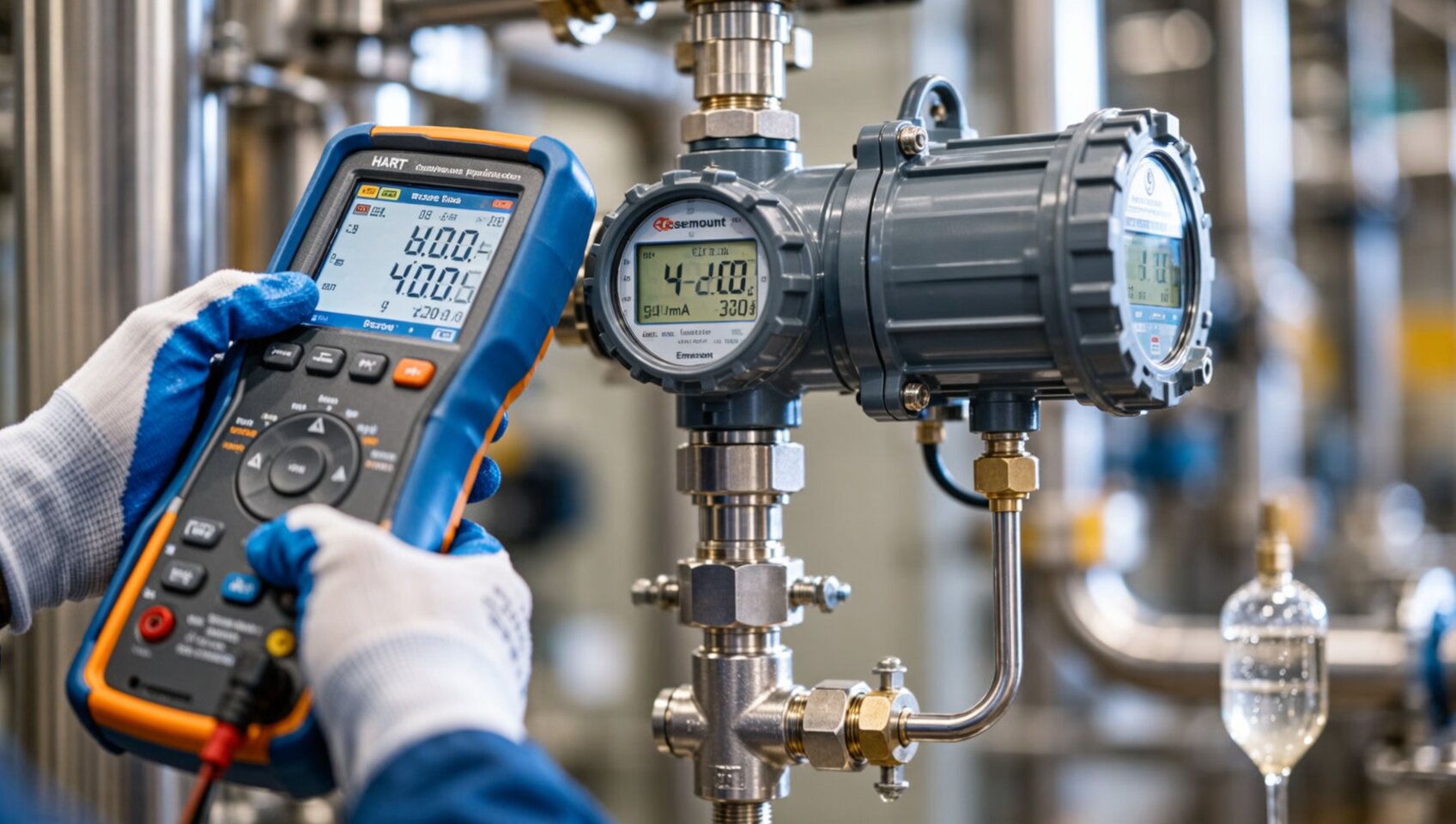
Your smart transmitters are broadcasting diagnostic information, calibration status, configuration details, and process insights. But if you're only reading the 4-20mA output, you're missing 90% of what they're telling you.
HART services include:
Smart transmitters are only smart if you actually use their intelligence. We make that happen.
Foundation Fieldbus & PROFIBUS Services
Digital communication where every millisecond matters.
4-20mA is reliable, but it's slow and carries minimal information. Foundation Fieldbus and PROFIBUS bring high-speed digital communication, distributed control, and advanced diagnostics to your process instrumentation.
We provide:
Digital fieldbus isn't plug-and-play. It's configure-commission-optimize. We handle all three.
Wireless Instrumentation Services
Measurements where wire can't reach.
Some instruments are too remote, too expensive to wire, or too temporary to justify running cable. Wireless instrumentation makes the impossible practical – if it's installed and configured correctly.
We install and support:
Wireless isn't a compromise. Done right, it's liberation from the tyranny of cable runs. We make wireless work reliably.
Custody Transfer & Fiscal Measurement
When your measurement accuracy determines how much you get paid.
Custody transfer measurement isn't process control. It's commerce. Every 0.1% error represents money that either you or your customer loses. Accuracy isn't a nice-to-have – it's a contractual obligation with financial consequences.
We provide:
When measurement determines revenue, accuracy isn't negotiable. We deliver the precision your contracts require.
Burner Management & Combustion Control
Safe startup and reliable flame – every single time.
Burners don't get second chances. Improper sequencing, failed flame detection, or incorrect fuel-air ratio creates dangerous conditions. Burner management systems and combustion instrumentation prevent those conditions from becoming catastrophes.
We service:
Combustion control keeps furnaces, boilers, and process heaters running safely and efficiently. We make sure the measurement and control systems that manage combustion do their job.
Steam System Instrumentation
Measuring, controlling, and protecting your most versatile utility.
Steam powers turbines, heats processes, strips solvents, humidifies, and sterilizes. It's also potentially lethal if something goes wrong. Steam system instrumentation requires understanding the unique challenges of two-phase flow, condensate formation, and rapid temperature changes.
We provide:
Steam measurement isn't like liquid measurement. Density changes with pressure. Flashing occurs at restrictions. Temperature affects everything. We understand steam's quirks and install instrumentation that handles them.
Compressed Air System Instrumentation
Your most expensive utility deserves accurate measurement.
Compressed air costs more to produce than electricity, yet most facilities have no idea how much they're using or where it's going. Leaks waste money. Pressure variations affect product quality. Dewpoint problems contaminate processes.
We install and maintain:
Most compressed air systems waste 30-50% of the air they produce through leaks, inappropriate uses, and poor pressure control. Measurement finds the waste. We provide the measurement.
Industry-Specific Instrumentation Applications
Pharmaceutical & Biotech Instrumentation
Your quality can't exceed your measurement accuracy. When batch records, validation protocols, and FDA audits depend on instrumentation data, calibration isn't maintenance – it's compliance.
Critical measurements we support:
Every instrument supporting GMP operations gets calibration certificates, validation documentation, and change control records that survive FDA inspection. We've been through inspections. We know what's required.
Water & Wastewater Treatment Instrumentation
Regulatory compliance isn't negotiable. Permit violations create fines, shutdowns, and bad press. Your process control and compliance monitoring depend entirely on instrumentation accuracy.
We service:
We understand the unique challenges of wastewater measurement – fouling, abrasion, corrosive environments, and wide concentration ranges. Our installations and calibrations account for reality, not laboratory conditions.
Food & Beverage Instrumentation
Product safety, consistent quality, and regulatory compliance all depend on measurement accuracy. From CIP monitoring to pasteurization verification, your instruments protect your brand.
Critical applications:
3-A sanitary standards aren't optional. Our installations use tri-clamp connections, sanitary transmitters, and proper draining orientation. Because contamination prevention starts with proper installation.
Chemical Processing Instrumentation
Reaction control, separation efficiency, and product quality depend on accurate measurement in challenging conditions – high temperature, high pressure, corrosive chemicals, and safety-critical applications.
We service:
Chemical processes don't tolerate guessing. When runaway reactions, pressure vessel failures, and toxic releases are possibilities, accurate measurement and reliable control aren't luxuries – they're life safety systems.
Oil & Gas Instrumentation
Upstream production, midstream transmission, and downstream refining all require precise measurement in harsh environments – wellhead pressures, pipeline flow, product custody transfer, and process unit control.
Applications we support:
Oil and gas instrumentation operates in temperature extremes, vibration, potentially explosive atmospheres, and remote locations. We install for the environment your instruments actually face, not the friendly calibration lab.
Pulp & Paper Mill Instrumentation
Continuous processes with tight quality specifications require reliable measurement in an environment designed to destroy instruments – moisture, high temperature, corrosive chemicals, and severe vibration.
Critical measurements:
Paper mill environments kill instruments fast. We install for survival – proper sealing, appropriate materials, vibration isolation, and accessibility for the frequent maintenance and continuous processes required.
Power Generation Instrumentation
Turbine efficiency, emissions compliance, and grid stability all depend on precise measurement. Whether coal, gas, nuclear, or renewable energy, accuracy prevents costly shutdowns and regulatory violations.
Power plant applications:
Power generation instrumentation operates in high-temperature, high-pressure environments with demanding accuracy requirements for heat rate optimization and emissions compliance. We bring the expertise power plants require.
Common Instrumentation Problems We Solve
"Our Calibration Records Don't Exist"
You inherited a facility with zero instrument documentation. No calibration certificates. No tag numbers. No idea what range instruments are configured for. You're flying blind.
How we fix it:
"Instruments Read Fine in the Shop, Wrong in the Field"
Your pressure transmitters calibrate perfectly on the bench. Install them in the process and they're 10% off. Every single time.
Common causes we address:
"We Can't Make Our Loops Control Properly"
Your PID loops oscillate, won't settle, or just don't respond right. You've tried retuning the controller. Problem persists.
What we check:
"Our Instruments Fail Every Six Months"
You're replacing the same transmitters repeatedly. Always in the same locations. Always the same failure mode.
Root causes we identify:
"Calibration Drift Is Getting Worse"
Your instruments used to stay in tolerance for 12 months. Now they're drifting out in 6 months. Or 3 months. Something changed but you don't know what.
We investigate:
"We Failed Our Regulatory Audit"
Inspector found calibration gaps, missing documentation, or instruments out of tolerance. Now you're on a corrective action timeline.
We help with:
What Makes ELEKproTEK's Instrumentation Services Different
We Don't Treat All Instruments the Same Because They Aren't
A pressure transmitter in clean water service and a pressure transmitter in slurry service need different installation, different materials, and different maintenance. We match the service to the application instead of forcing the application to accept whatever's easiest.
Our Calibration Equipment is Traceable to NIST, Not "Close Enough"
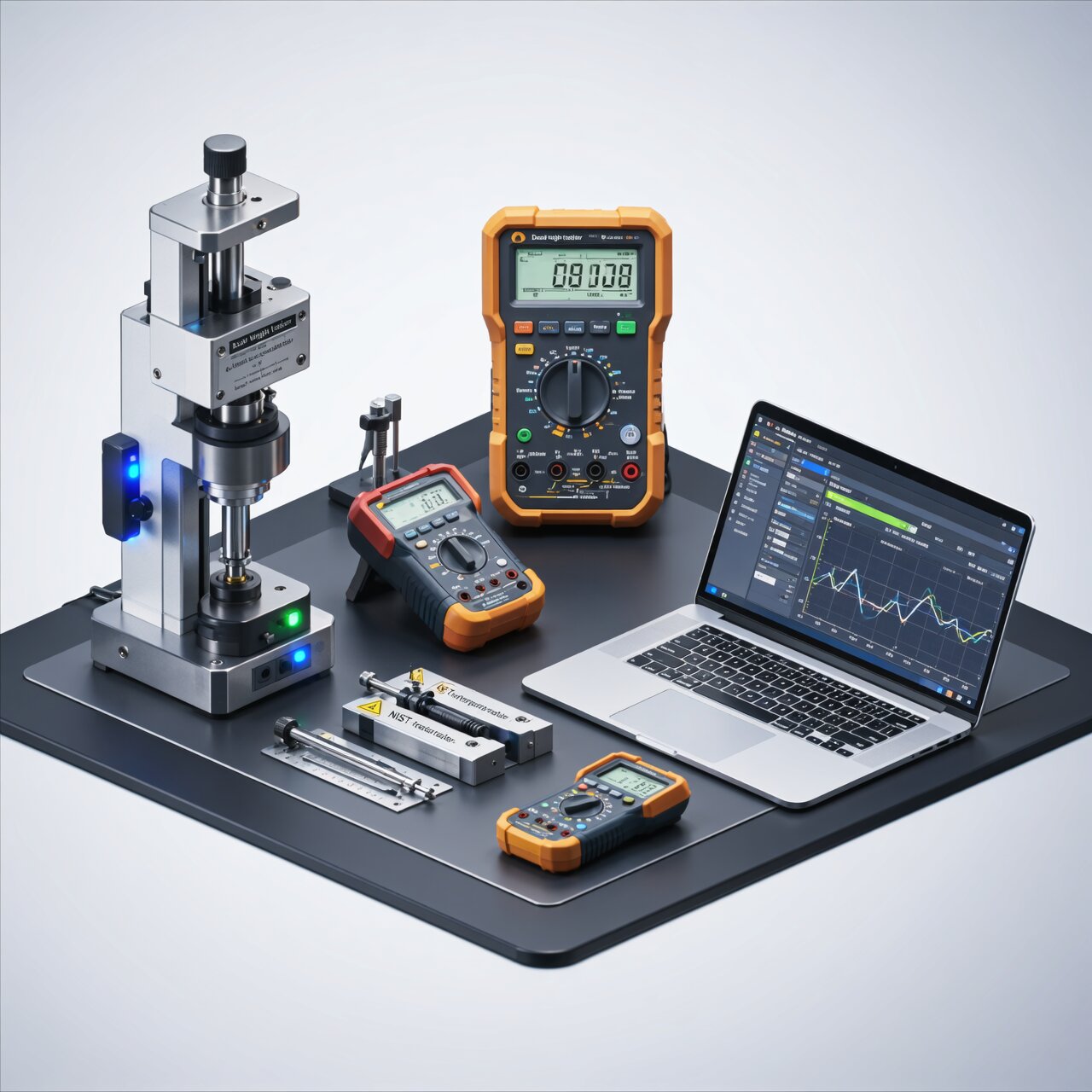
We maintain calibration standards with current NIST-traceable certification. Our dead weight testers, reference thermometers, and precision multimeters are calibrated by accredited labs with documented uncertainty. Your calibration certificates mean something because our standards mean something.
We Document Everything Because Memory Isn't Documentation
Every instrument gets a tag number, a calibration record, configuration documentation, and installation details. When you need service two years from now, we have the history. When regulators ask for proof, you have the certificates. When troubleshooting requires knowing what changed, we have the records.
Field Service Techs Who Understand Process, Not Just Wiring
Our instrumentation techs understand elevation correction, suppression, wet legs, dry legs, condensate pots, process effects, and application requirements. They install instruments that work in your process, not just in the calibration lab.
We Answer at 2 AM Because Instruments Don't Wait for Business Hours
Process upsets don't happen on schedule. When a critical transmitter fails at 2 AM and your operators need it working now, we answer. Every time. With techs who can troubleshoot in the dark.
Loop Checking That Actually Checks the Loop
We verify the entire signal chain from sensor to controller to final control element. Simulated inputs. Actual outputs. Alarm verification. Control response. Documentation accuracy. The whole loop, not just individual components.
Preventive Maintenance Based on Reality, Not Optimism
Our PM schedules account for operating environment, service severity, manufacturer recommendations, and actual drift history. Not calendar dates that ignore whether the instrument is in clean service or abusive service.
No "While We're Here" Upsells
If your instrument doesn't need service, we don't service it. If calibration shows it's still in tolerance, we document that and move on. We're not selling services you don't need. We're selling accuracy you can depend on.
We Build Long-Term Relationships, Not Transactional Service Calls
Your instrumentation needs don't fit into one service call. They require ongoing partnership – preventive maintenance, calibration programs, emergency response capability, and technical support when problems get weird. We're in this for the long haul.
Technical Depth: Understanding Instrumentation Fundamentals
Why Calibration Isn't Optional
Instruments don't stay accurate forever. Physics works against you:
Mechanical wear
Moving parts in pressure sensors compress slightly. Bearings in turbine flow meters develop clearances. Springs in control valves lose tension. Every cycle degrades precision.
Thermal cycling
Temperature changes cause expansion and contraction. Electrical components shift values. Sensor materials change properties. Reference junctions drift.
Chemical attack
Process chemicals corrode wetted parts. pH electrodes lose sensitivity. Conductivity cells degrade. Thermowells thin from erosion.
Electrical aging
Capacitors dry out. Resistors drift. Semiconductors degrade. Signal noise increases. Zero point shifts.
Vibration effects
Constant vibration loosens connections. Sensors develop microcracks. Electronics fail from fatigue. Mounts loosen.
Environmental stress
Humidity causes corrosion. Dust creates failures. Temperature extremes degrade materials. UV radiation breaks down plastics.
Every instrument drifts. The only questions are how fast and in which direction. Calibration answers both questions and fixes the drift before it creates problems.
The Truth About Measurement Uncertainty
No measurement is perfectly accurate. Every reading includes uncertainty from multiple sources:
Instrument uncertainty
The transmitter itself has ±0.1% accuracy (or worse). Temperature affects that accuracy. Power supply variations add error. Age degrades precision.
Installation effects
Impulse piping adds lag time. Mounting position creates orientation errors. Vibration induces noise. Temperature gradients cause false readings.
Process variability
Turbulent flow creates measurement noise. Pulsating pressure makes readings jump. Multiphase flow (liquid + gas) confuses meters. Density changes shift calibration.
Signal transmission
Wire resistance creates voltage drop. Electromagnetic interference induces noise. Ground loops add offset errors. Distance degrades signals.
Environmental factors
Ambient temperature affects electronics. Humidity causes drift. Barometric pressure (for absolute pressure instruments) varies. Solar radiation heats enclosures unevenly.
Calibration standard uncertainty
Even your reference standard has error. NIST traceability includes uncertainty. Dead weight testers have limits. Temperature baths aren't perfectly uniform.
The total uncertainty is the root sum square of all these individual uncertainties. Understanding this helps you choose appropriate instruments, install them correctly, and interpret readings intelligently.
Pressure Measurement Deep Dive
Pressure measurement seems simple until you look closer:
Gauge pressure
Pressure relative to atmospheric pressure. What most instruments measure. Changes with barometric pressure and altitude. Good for most process applications.
Absolute pressure
Pressure relative to perfect vacuum. Doesn't change with weather. Critical for vapor pressure calculations, vacuum applications, and altitude-varying applications.
Differential pressure
Pressure difference between two points. Used for flow measurement, level measurement, filter monitoring, and control. Accuracy depends on both high and low side precision.
Static pressure vs. dynamic pressure
Static is fluid pressure at rest. Dynamic is kinetic energy from fluid velocity. Total pressure = static + dynamic. Sensor location determines which you measure.
Impulse piping installation matters enormously:
For liquid service:
For gas service:
For steam service:
Get this wrong and your perfectly calibrated transmitter reads perfectly wrong numbers. Every. Single. Time.
Flow Measurement Complexity
Flow measurement has more ways to go wrong than almost any other measurement:
Installation requirements are strict:
Straight pipe runs
Most flow meters need 10-20 pipe diameters of straight pipe upstream and 5 diameters downstream. Elbows, valves, and tees create velocity profile distortions that cause errors. Respect the straight run requirements or add flow conditioning.
Pipe size matching
Flow meter bore must match pipe bore. Reducers create velocity changes and turbulence. Gaskets that protrude into flow create obstructions. Weld spatter creates roughness that disturbs flow.
Reynolds number effects
Laminar flow (Re < 2300) behaves differently than turbulent flow (Re > 4000). Transitional flow (2300 < Re < 4000) is unpredictable. Viscosity changes alter Reynolds number. Temperature affects viscosity.
Calibration reality
Flow meters are typically calibrated with water or air. Your process fluid has different density, viscosity, and temperature. Correction factors are required. Without them, you're measuring the wrong flow rate.
Common flow measurement errors:
Air bubbles in liquid flow
Vortex meters see bubbles as vortices. Magnetic meters under-read because air isn't conductive. Coriolis meters show density errors. Ultrasonic meters lose signal.
Cavitation
Pressure drops below vapor pressure. Fluid flashes to vapor. Bubbles form and collapse. Flow measurement goes crazy. Pump damage occurs. Solution: increase backpressure or redesign piping.
Pulsating flow
Reciprocating pumps create pressure pulses. Flow measurement shows huge variations. Averaging helps but doesn't fix it. Install pulsation dampeners or smooth flow before measurement.
Swirl
Two elbows in different planes create rotating flow. Meters designed for axial flow misread swirling flow. Install flow straighteners or respect straight run requirements.
Coating and buildup
Magnetic flow meter electrodes coat with scale. Flow area reduces. Coriolis meters gain mass. Vortex shedding frequency changes. Turbine bearings load up and slow down.
Every flow meter type has unique failure modes. We know them all. We design installations that avoid them.
Temperature Measurement Mistakes
Temperature seems easy. Stick a sensor in the process, read the number. Except:
Immersion depth matters
Sensor tip must be far enough into the process to reach process temperature. Too shallow and you measure wall temperature, not fluid temperature. Rule of thumb: immerse at least 10x the thermowell diameter.
Response time depends on everything
Large thermowell = slow response. Air gap between sensor and thermowell = slower response. Laminar flow = slower than turbulent. Low thermal conductivity process = very slow.
Thermowell design is critical
Thin wall = fast response but weak. Thick wall = strong but slow. Tapered design balances both. Wrong material = corrosion failure. Wake frequency causes vibration breakage.
Sensor type selection:
Thermocouples:
RTDs (Resistance Temperature Detectors):
Installation errors we see repeatedly:
Thermal wells not filled
Air gap between sensor and well creates insulation. Response time becomes minutes instead of seconds. Fill with heat transfer compound or use spring-loaded sensors.
Extension wire mistakes
Thermocouple extension wire must match sensor type. Type K thermocouples need Type K extension wire. Regular copper wire adds voltage that looks like temperature error.
Lead wire resistance
Long RTD wires add resistance that looks like higher temperature. Use 3-wire or 4-wire RTDs to compensate. 2-wire RTDs are only accurate for short runs.
Temperature measurement isn't plug-and-play. It's engineer-design-verify-document. We do all four.
Stop Wondering If Your Measurements Are Accurate
Your instruments will be more accurate. Your process will be more reliable. Your boss will wonder what changed.
And you'll know: you stopped accepting "good enough" measurement and demanded accuracy that means something.
Industries We Serve

Chemical Processing
Temperature, pressure, flow, and level instrumentation for reactors, distillation columns, heat exchangers, and process vessels. pH, conductivity, and composition analyzers for product quality and safety.
Pharmaceutical Manufacturing
Cleanroom-rated instrumentation. Calibration documentation for FDA validation. 21 CFR Part 11 compliant records. Temperature mapping. Clean steam quality monitoring.
Water & Wastewater Treatment
pH, chlorine, turbidity, dissolved oxygen, and conductivity for process control and regulatory compliance. Flow measurement for billing accuracy. Level control for clarifiers and tanks.
Food & Beverage
Sanitary instrumentation with 3-A certification. Temperature monitoring for pasteurization. Flow measurement for batching accuracy. Clean-in-place (CIP) monitoring.
Oil & Gas
Pressure and temperature instrumentation for upstream, midstream, and downstream operations. Custody transfer flow measurement. Safety instrumented system (SIS) proof testing.
Pulp & Paper
Consistency measurement. Moisture analysis. pH control for pulping and bleaching. Level measurement in digesters and storage tanks.
Power Generation
Steam pressure and temperature. Feedwater flow. Boiler level. Emissions monitoring. Turbine instrumentation.
Manufacturing
Production flow monitoring. Process temperature control. Quality measurement systems. Compressed air flow and pressure.
WARNING: Fair Notice About Who We Work With
❌ We're Probably Not The Best Fit If You're One of Those:
✅ We're PERFECT For You When You're One Of Those:
One Final Thought Before You Decide
Your process control is only as good as your measurement accuracy.
Perfect PID tuning doesn't fix a transmitter that's drifted 5% off spec.
Advanced control strategies fail when fed inaccurate data.
Automation sophistication means nothing if the sensors lie.
You can have the most expensive DCS, the most sophisticated software, and the best control engineers in the industry. But if your field instruments don't tell the truth, you're controlling to fantasies. Instrumentation isn't the glamorous part of automation. Nobody celebrates a perfectly calibrated transmitter. Engineers get excited about algorithms and control strategies, not impulse piping installation.
But here's the thing: instruments are the foundation.
Everything else is built on top of them.
When the foundation is solid, everything works better. When it's not, nothing does.
ELEKproTEK understands that unglamorous foundation work is what actually makes processes run reliably.
Frequently Asked Questions About Instrumentation Services
How often should instruments be calibrated?
It depends on the instrument, the application, and your process requirements. Manufacturer recommendations range from quarterly to annually. Regulatory requirements (FDA, EPA, ISO) may specify frequencies. Your actual calibration interval should be based on drift history – if instruments consistently pass annual calibration with minimal drift, annual is fine. If they frequently exceed tolerance, shorten the interval.
Start with annual calibration, track drift trends, and adjust intervals based on data. Safety-critical instruments may require more frequent calibration regardless of drift history.
What's the difference between calibration and verification?
Calibration = measure as-found condition, compare to standard, adjust if necessary, measure as-left condition, document everything.
Verification = measure current accuracy against standard, document results, but make no adjustments.
Verification is faster and cheaper. It's appropriate for instruments that consistently pass calibration with minimal drift. If verification finds an out-of-tolerance instrument, then full calibration with adjustment is performed.
Can you calibrate instruments in place or do they need to be removed?
Many instruments can be calibrated in place:
Some instruments require removal:
Field calibration saves time and keeps instruments in service. Lab calibration provides more thorough testing. We offer both options.
What documentation do you provide?
Every calibration includes:
For regulated industries, we provide additional documentation meeting FDA 21 CFR Part 11, ISO 9001, or industry-specific requirements.
Do you work in hazardous (classified) areas?
Yes. Our technicians are trained in hazardous location work practices including:
We understand intrinsically safe equipment, purged enclosures, explosion-proof installations, and hot work permit requirements. We carry appropriate tools and test equipment rated for hazardous areas.
Can you help with regulatory compliance?
Yes. We support compliance with:
We provide documentation, procedures, and technical support for audits and inspections.
What's your response time for emergency service?
For customers on maintenance contracts: We can handle 2-4 hours during business hours, 4-8 hours after hours and weekends.
For non-contract emergency service: We respond same-day or next-day, depending on availability and location, with some within 4-8 hour options when spaces open.
Critical applications (safety systems, environmental monitoring, custody transfer) receive priority response.
Check our scheduling link and choose "emergency": Click Here For Our Scheduling Calendar
Do you provide temporary instrumentation during repairs?
Yes. For critical measurements that can't be interrupted, we can provide:
Can you integrate with our existing maintenance management system?
Yes. We can interface with:
We provide calibration data, documentation, and scheduling information in formats compatible with your systems.
Your Next Steps: Three Clear Paths Forward
Path 1: "We Want to Schedule Service – Let's Set This Up"
You know what you need. Calibration services, new installation, loop checking, and preventive maintenance. You're ready to book an appointment and get it done.
Select "Industrial Appointment" and choose your preferred date and time. First hour reserves your service call and gets our techs on-site to assess your needs.
Path 2: "We Need Help Now – This Is Urgent"
Your critical instrument just failed. Your process is down or running without proper measurement. You need someone who understands instrumentation, not just someone who can pull wire.
We have openings for scheduling within 4-8 hours around 24/7 availability. You can bypass the phone line during emergencies. Real technicians who can troubleshoot can be dispatched immediately within the next 4-8 hours.
Path 3: "We Want to Learn More – Not Ready to Commit Yet"
You're evaluating options. You want to understand pricing, capabilities, and approach before making decisions. You prefer a conversation before scheduling service.
Atleast 10-minutes of a virtual session with an instrumentation specialist. Share your situation, get recommendations, receive transparent pricing. No pressure, no obligation.
Fair Warning: What to Expect When Working With Us
We Ask A Lot of Questions
Before touching your instruments, we need to understand your process, your accuracy requirements, your regulatory obligations, and your history with the instruments. This isn't bureaucracy – it's how we avoid making expensive mistakes.
We Document Everything
Tag numbers. Ranges. Materials. Calibration history. Configuration settings. Installation details. Some clients find this excessive until they need the documentation three years later and it's still available.
We Tell You When You Don't Need Service
If your calibration schedule is overly conservative, we'll tell you. If an instrument doesn't need replacement yet, we'll say so. If simpler solutions exist, we'll recommend them. We're not here to sell unnecessary services.
We Don't Do "Quick and Dirty"
Proper instrumentation work takes time. Impulse piping must be installed correctly. Calibration must be done at multiple points. Loop checking must verify the entire signal chain. Rushing creates problems that cost more to fix than doing it right initially.
We Expect Partnership, Not Just Service Calls
Instrumentation reliability requires ongoing collaboration. Sharing process changes that might affect instruments.
Communicating when instruments behave unusually. Planning shutdowns together for access to instruments. Good instrumentation service is a relationship, not a transaction.
If you're looking for the lowest bidder who shows up when they feel like it and fixes just enough to make it through today, we're not your team. If you want instrumentation services done correctly by people who understand process measurement and documentation, welcome. We're ready to work.
The Instrumentation Reality Nobody Talks About
Here's what our years in instrumentation has taught us:
Most instrument failures are installation errors, not instrument failures. The transmitter works fine. The impulse piping traps gas. Or the thermowell is too shallow. Or the flow meter is installed backward. The instrument gets blamed for installation mistakes.
Documentation disappears faster than instruments fail. Calibration certificates get filed somewhere. Tag numbers fade. Range settings aren't recorded. When problems develop, nobody knows what's actually installed or how it's configured.
Calibration intervals are religious beliefs, not data-driven decisions. "We calibrate annually because we've always calibrated annually." Meanwhile, instruments either pass calibration with zero drift (wasted effort) or fail badly (waited too long). Nobody tracks drift trends to optimize intervals.
Emergency repairs use whatever's in stock instead of what's correct. The failed pressure transmitter was 316SS wetted parts for corrosive service. The replacement is carbon steel because that's what's available. It works for now. It fails in six months. Repeat.
Operators don't report "weird" behavior until it becomes "broken." The pressure reading has been drifting for weeks. Everyone notices. Nobody mentions it until it's 20% off and creating product quality issues.
Most facilities treat instrumentation like commodity services – hire whoever's cheapest, don't invest in proper installation, skip documentation, react to failures instead of preventing them.
The facilities that understand instrumentation as critical infrastructure? They have fewer emergencies, better process control, higher product quality, and lower maintenance costs.
That's the reality: instrumentation done right is cheaper than instrumentation done cheaply.
ELEKproTEK exists to help you be the facility that does it right.
Service Locations
Primary Markets:
Stop Guessing About Your Process Variables
Your process control is only as good as your measurement accuracy. Instruments drift. Installation errors compound. Documentation disappears. And one day you realize you've been controlling to the wrong setpoint for six months because nobody verified the transmitter.
Here's What Happens Next:
Option 1: Keep Pretending Your Instruments Are Accurate
Cross your fingers. Hope calibration drift stays within tolerance. Assume that transmitter you installed five years ago still reads correctly. Wonder why product quality varies and nobody can explain it.
Option 2: Work With People Who Understand Instrumentation
Let ELEKproTEK handle your field instrumentation, calibration, loop checking, and maintenance. Sleep better knowing your measurements mean something. Solve process problems faster because you trust your data.
Get Your Free Virtual Instrumentation Assessment
Here's exactly what you Can get:
Two Ways to Get Started:
#1) FAST TRACK: Schedule Your Service Appointment Now
Click the "Schedule My Service Appointment" button below and choose the "Industrial Appointment" option. Reserve your first hour of field service to assess your instrumentation needs and get immediate support.
#2) DELIBERATE APPROACH: Get More Information First
Call us at 1-888-586-5554 or click "Yes Free Quote" button to schedule a virtual consultation where we discuss your instrumentation challenges, review your current situation, and provide recommendations.
The Bottom Line (Because You're Busy)
Your instrumentation is the foundation of your process control. When measurements lie, everything built on those lies fails.
ELEKproTEK provides industrial instrumentation services that deliver accurate measurements you can trust – field installation that works in your process, calibration traceable to NIST, loop checking that verifies the complete signal chain, and maintenance that prevents failures instead of just fixing them.
Ready to stop guessing about your process variables?
Call 1-888-586-5554, schedule your service appointment, or request a free quote.
Your instruments will thank you. Your process will run better. Your boss will wonder what changed.
Professional NIST-traceable calibration for all industrial process instrumentation including pressure, flow, temperature, level, and analytical instruments with documented uncertainty and as-found/as-left records
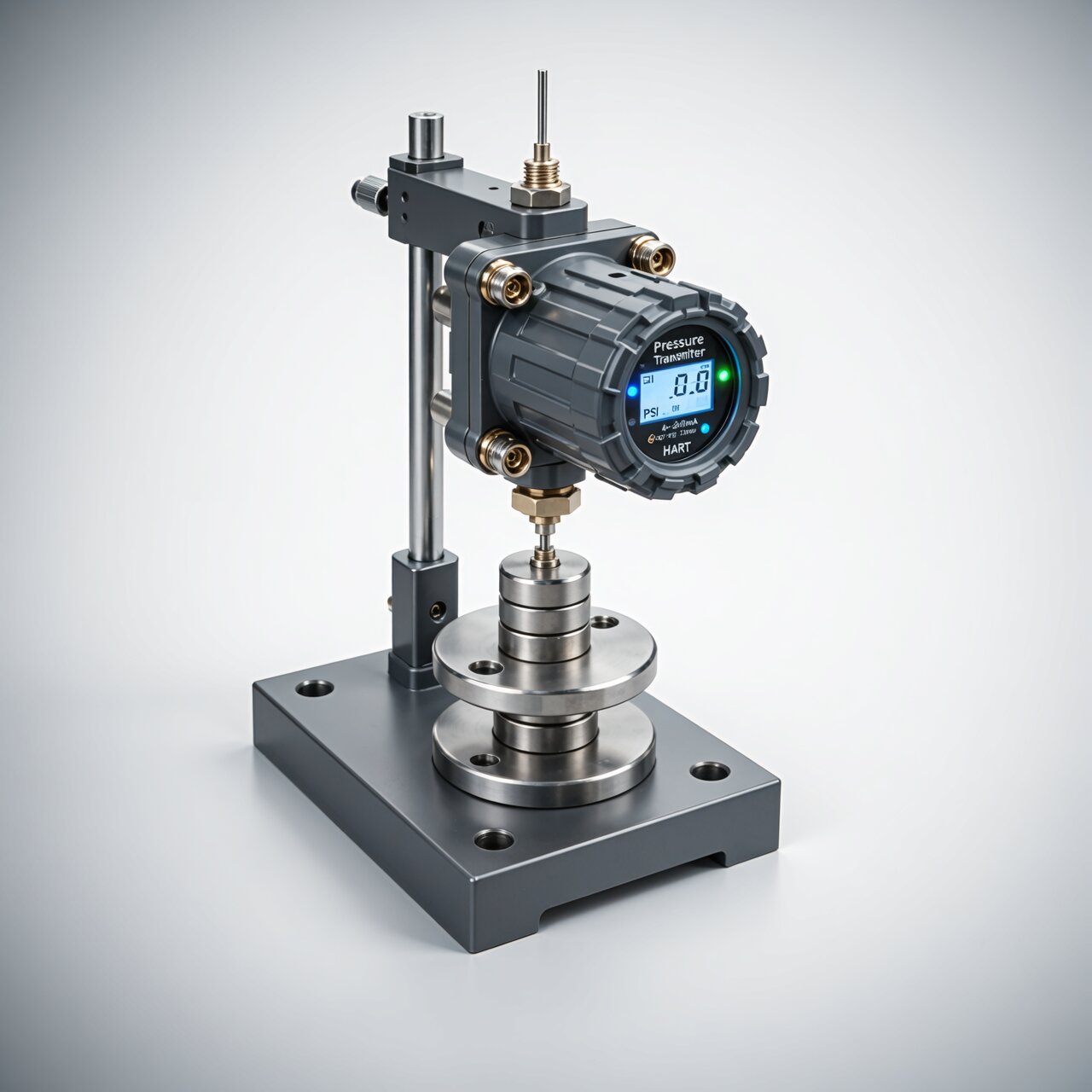
Dead weight tester calibration for pressure transmitters with multi-point verification across full range, HART configuration, zero and span adjustment, and documentation traceable to NIST standards
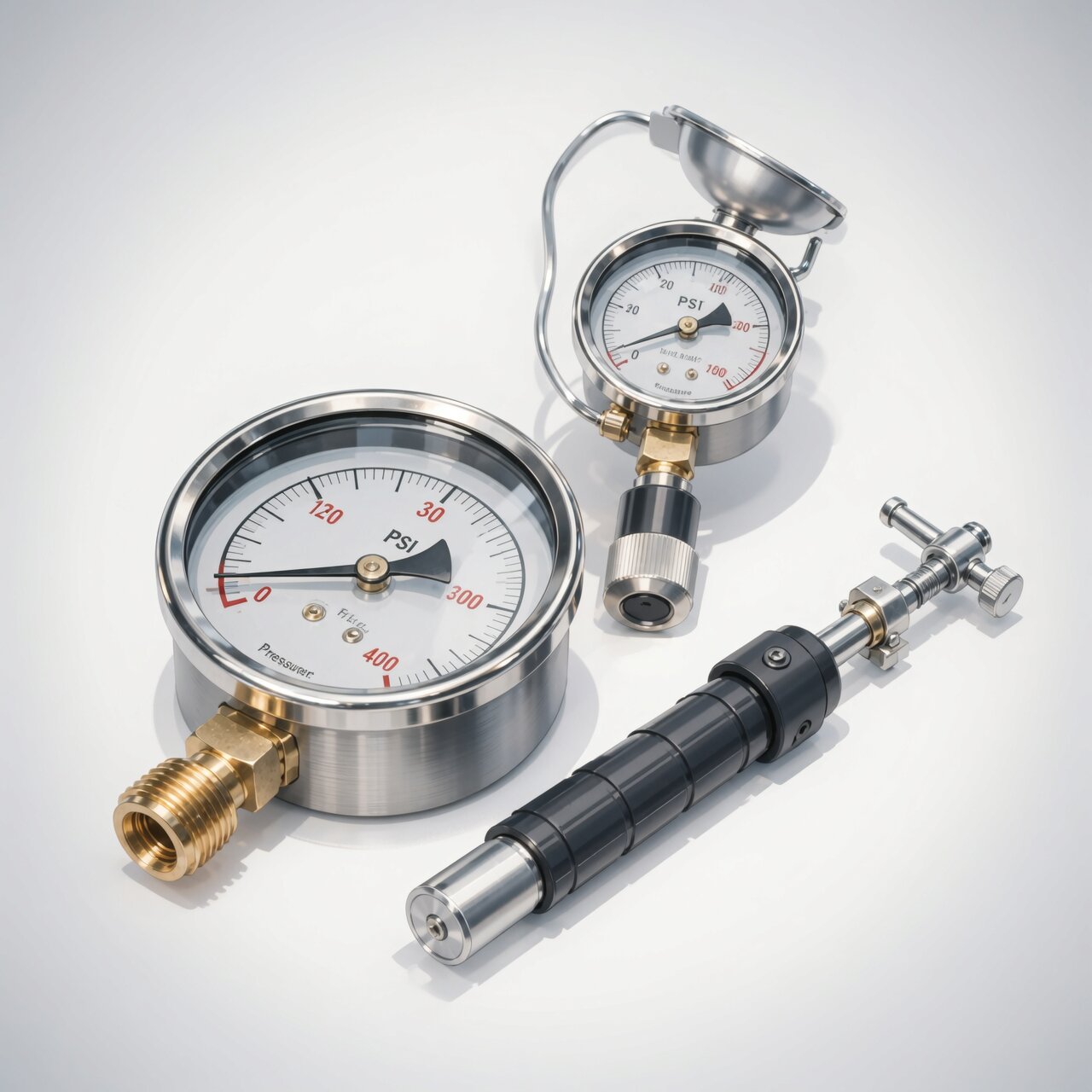
Master gauge comparison calibration for analog pressure gauges with accuracy verification across full scale, dial readability inspection, and pointer accuracy documentation for process and safety applications
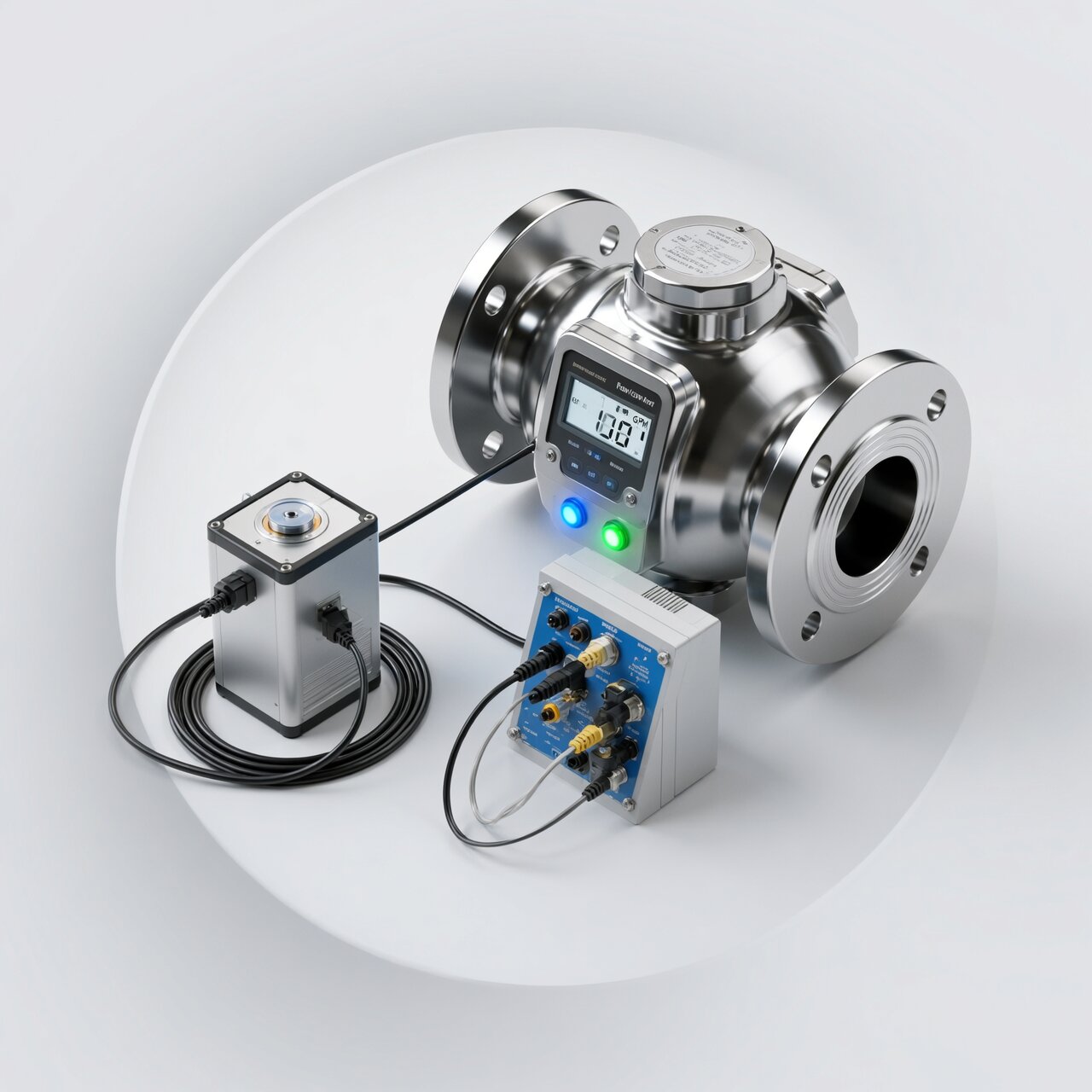
Flow meter calibration for magnetic, Coriolis, vortex, ultrasonic, turbine, and differential pressure meters with flow simulation, totalizer verification, and NIST-traceable standards for custody transfer and process applications
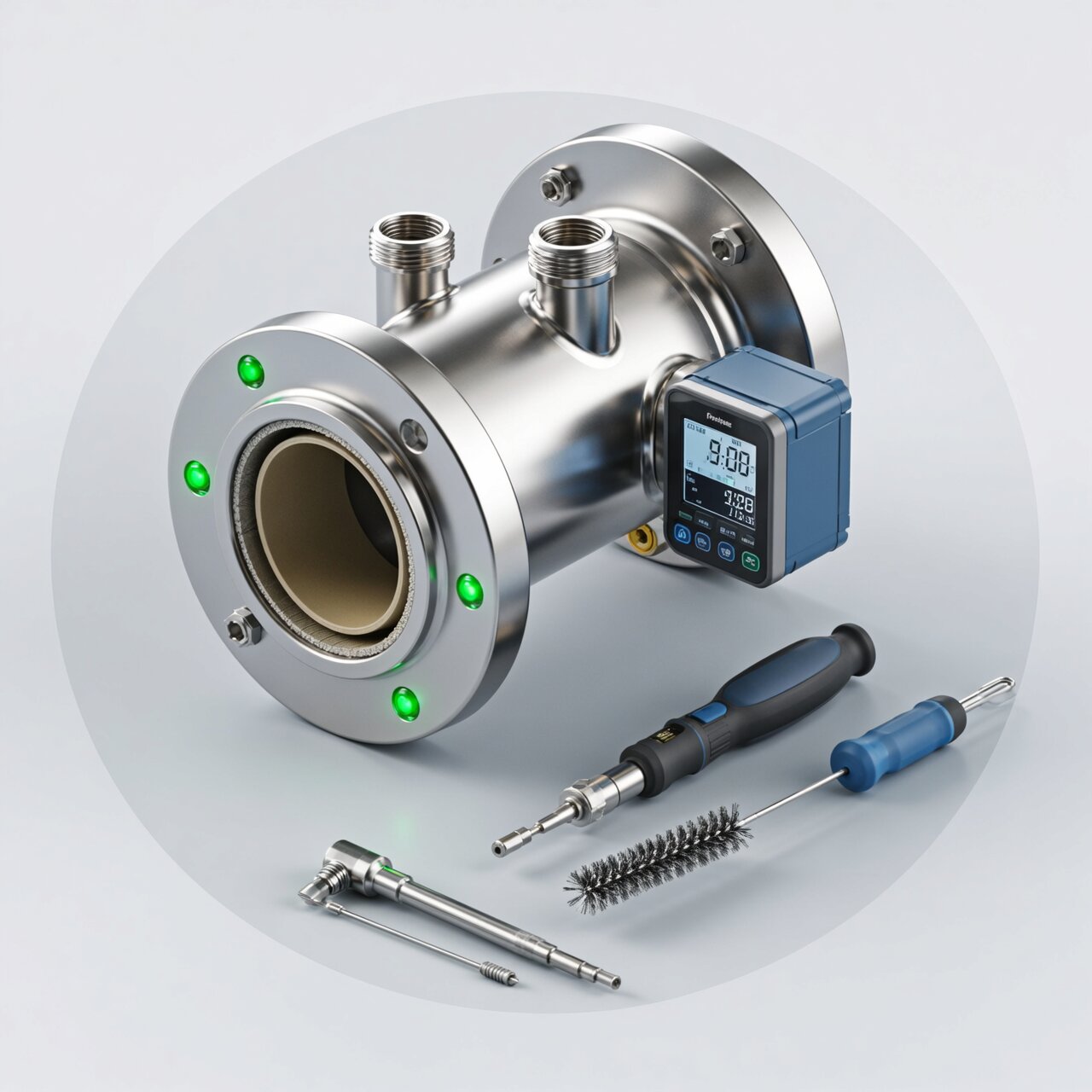
Magnetic flow meter calibration, installation, and maintenance including electrode cleaning, liner inspection, grounding verification, zero flow checks, and totalizer accuracy validation for conductive liquid measurement
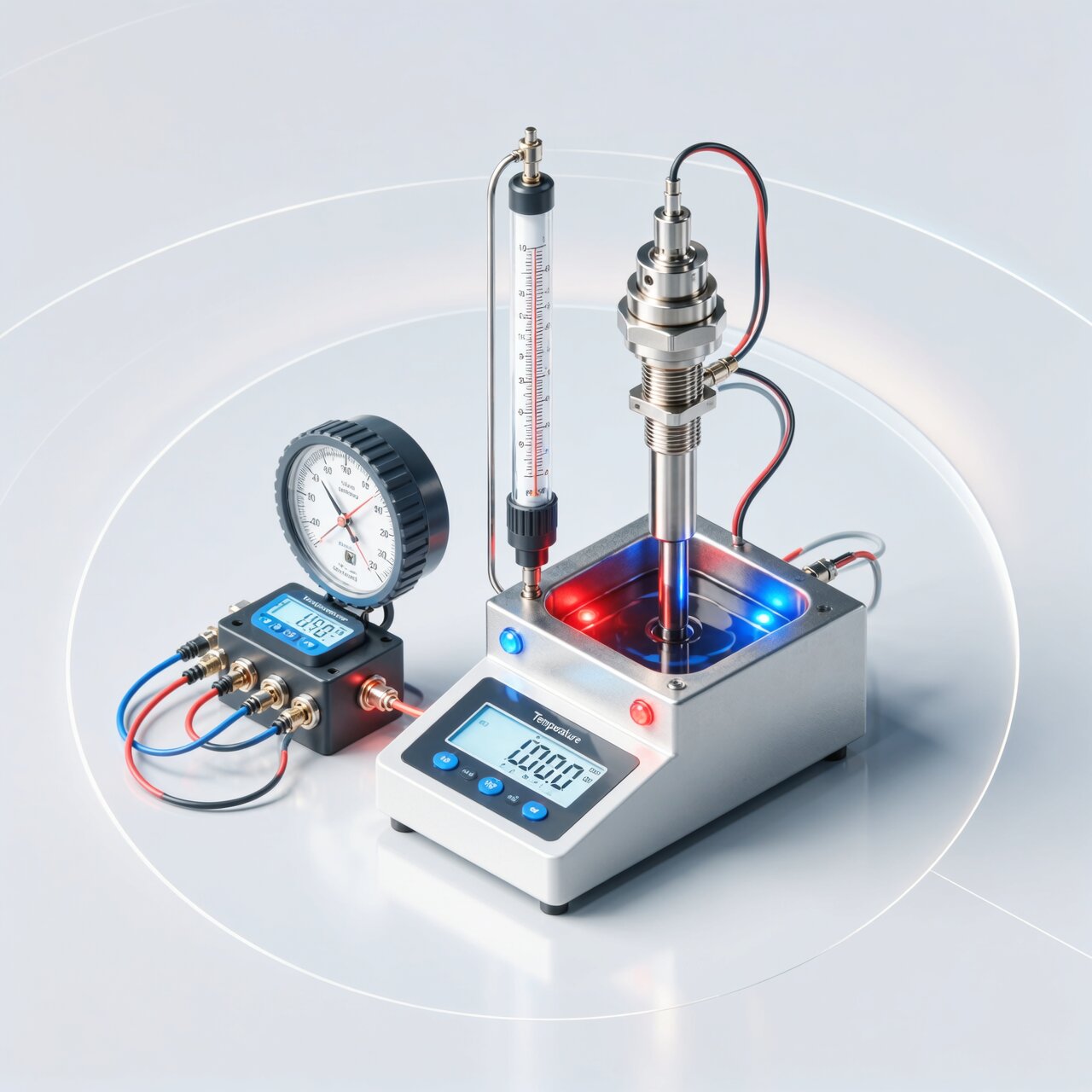
Temperature sensor and transmitter calibration using NIST-traceable reference thermometers with multi-point verification, cold junction compensation for thermocouples, and lead wire resistance compensation for RTDs
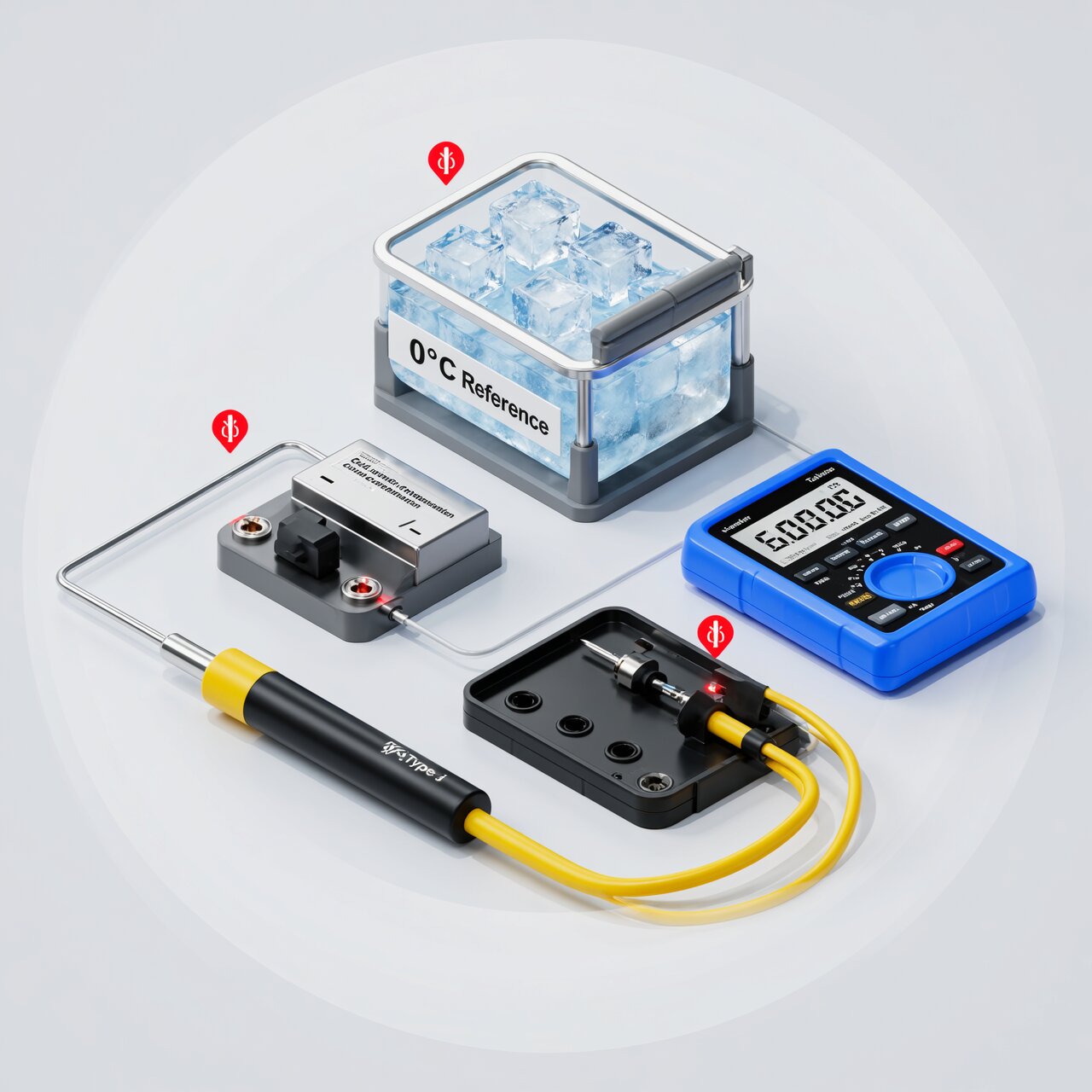
Thermocouple calibration with ice bath and comparison to calibrated reference standards, junction integrity verification, extension wire testing, and documentation for high-temperature process applications
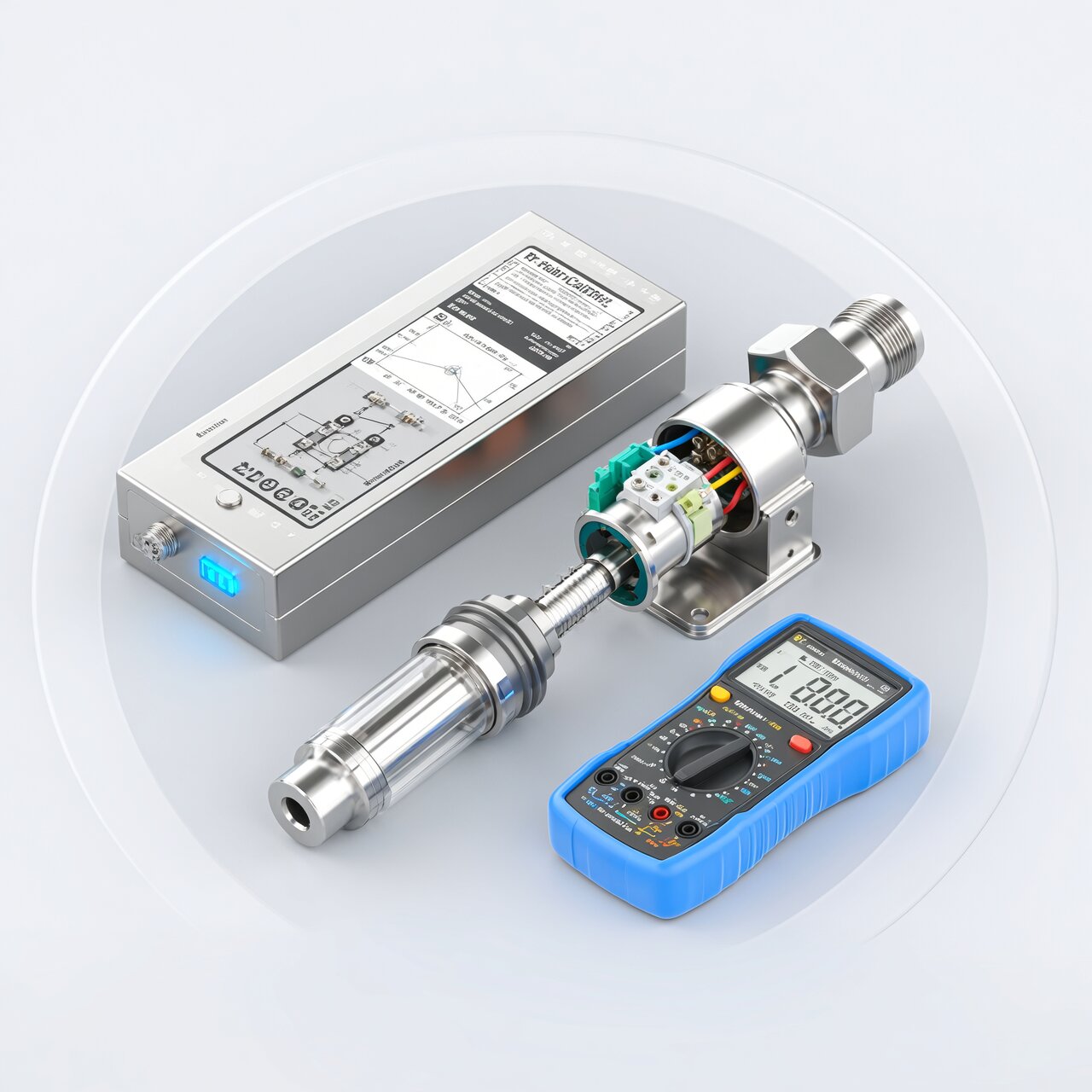
RTD sensor calibration with multi-point resistance verification at known temperatures, lead wire compensation testing, sensor excitation verification, and connection head inspection for precision temperature measurement
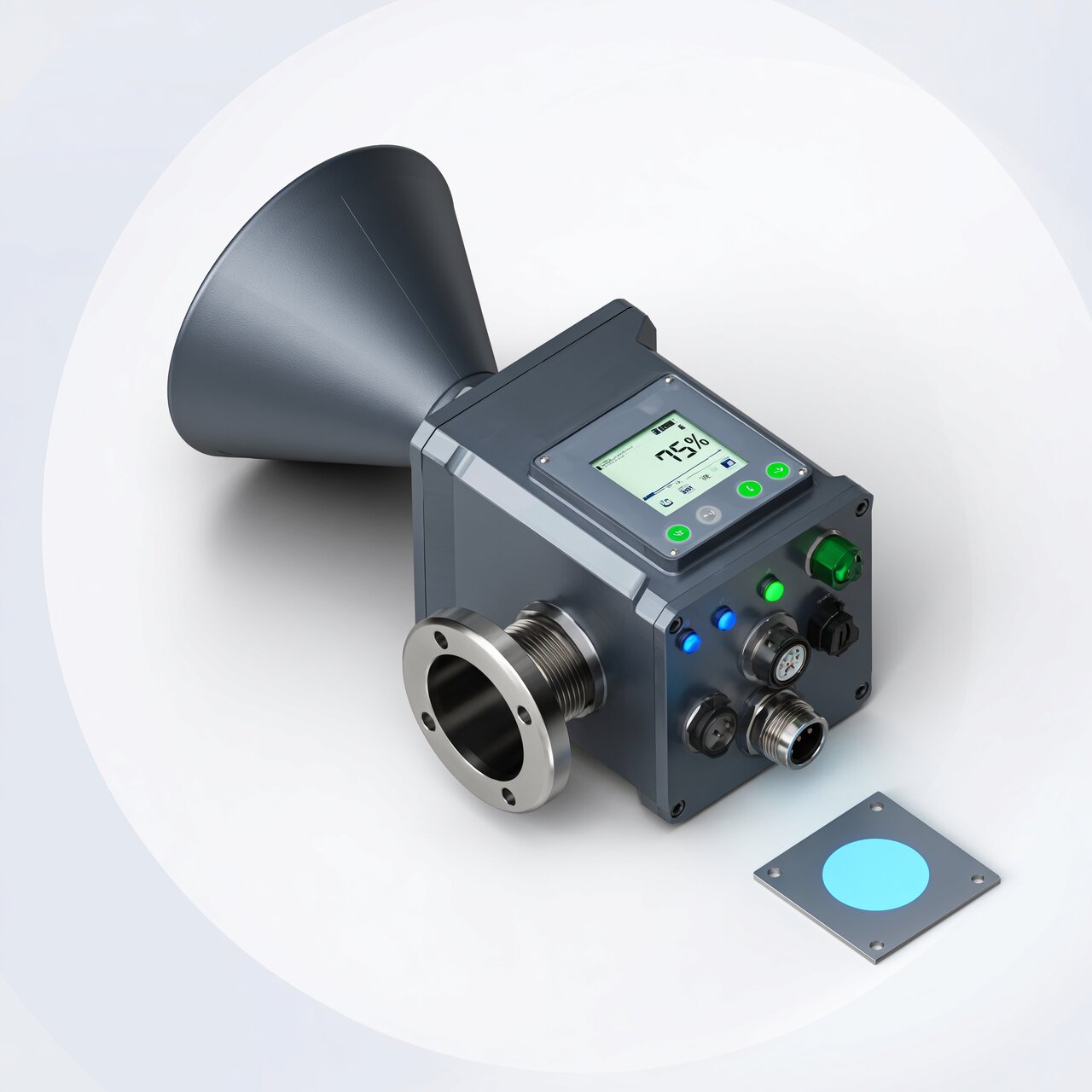
Level instrument calibration for radar, ultrasonic, guided wave radar, DP level, and displacer transmitters with suppression verification, elevation correction, and range validation for tank and vessel applications.
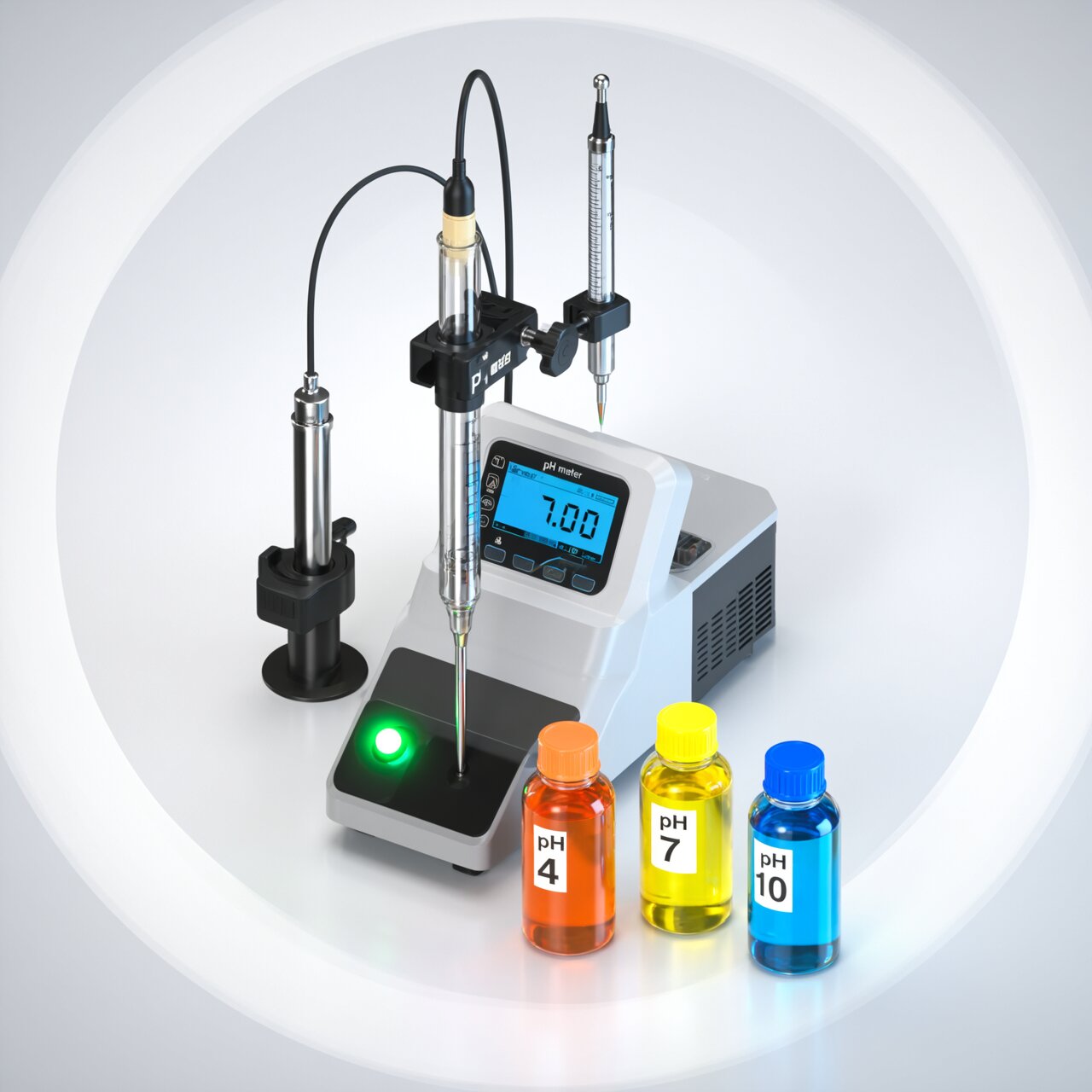
pH meter and analyzer calibration using NIST-traceable buffer solutions with two-point or three-point calibration, electrode condition assessment, temperature compensation verification, and sample conditioning review.
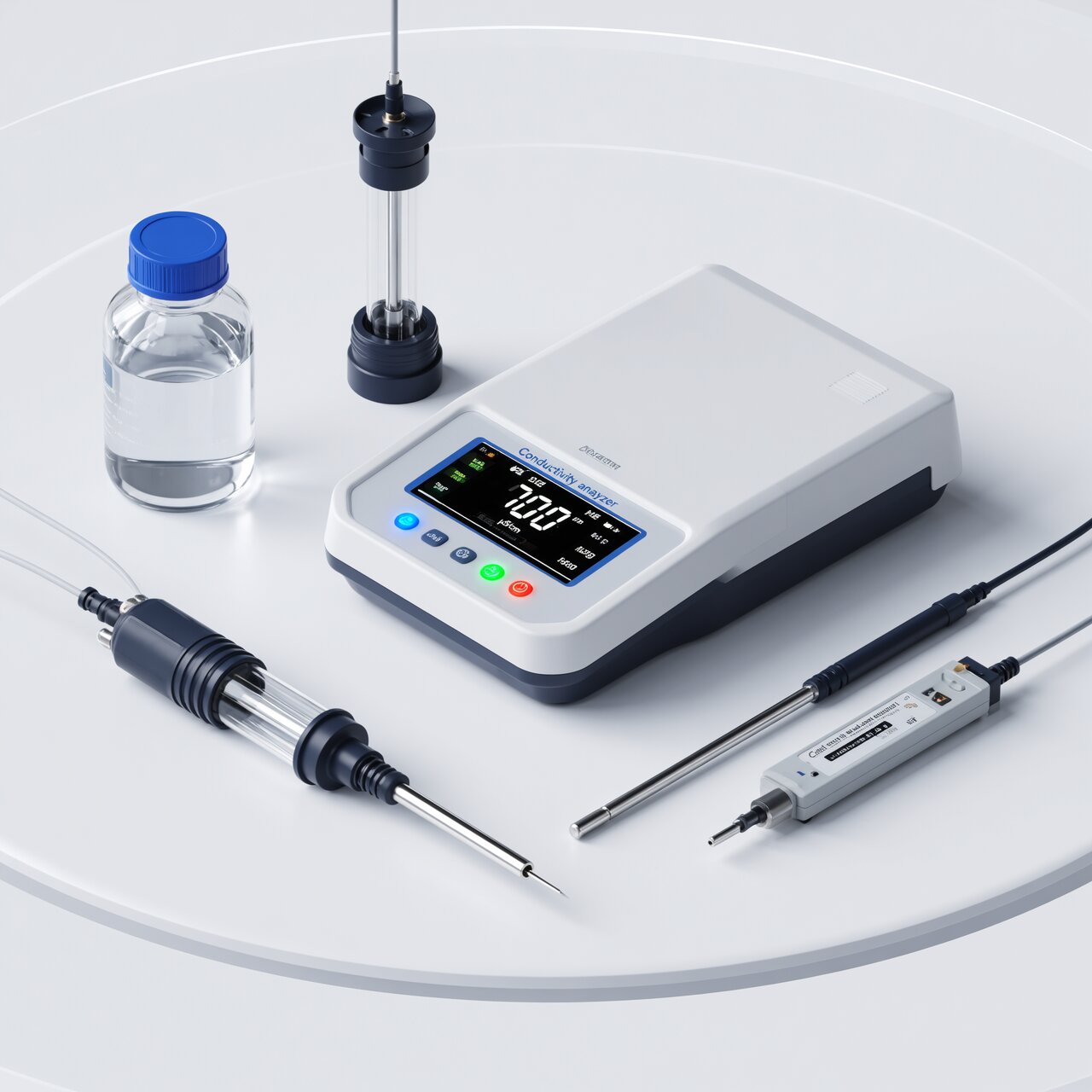
Conductivity instrument calibration with cell constant verification, temperature compensation testing, standard solution comparison, and sample flow verification for water quality and process monitoring applications
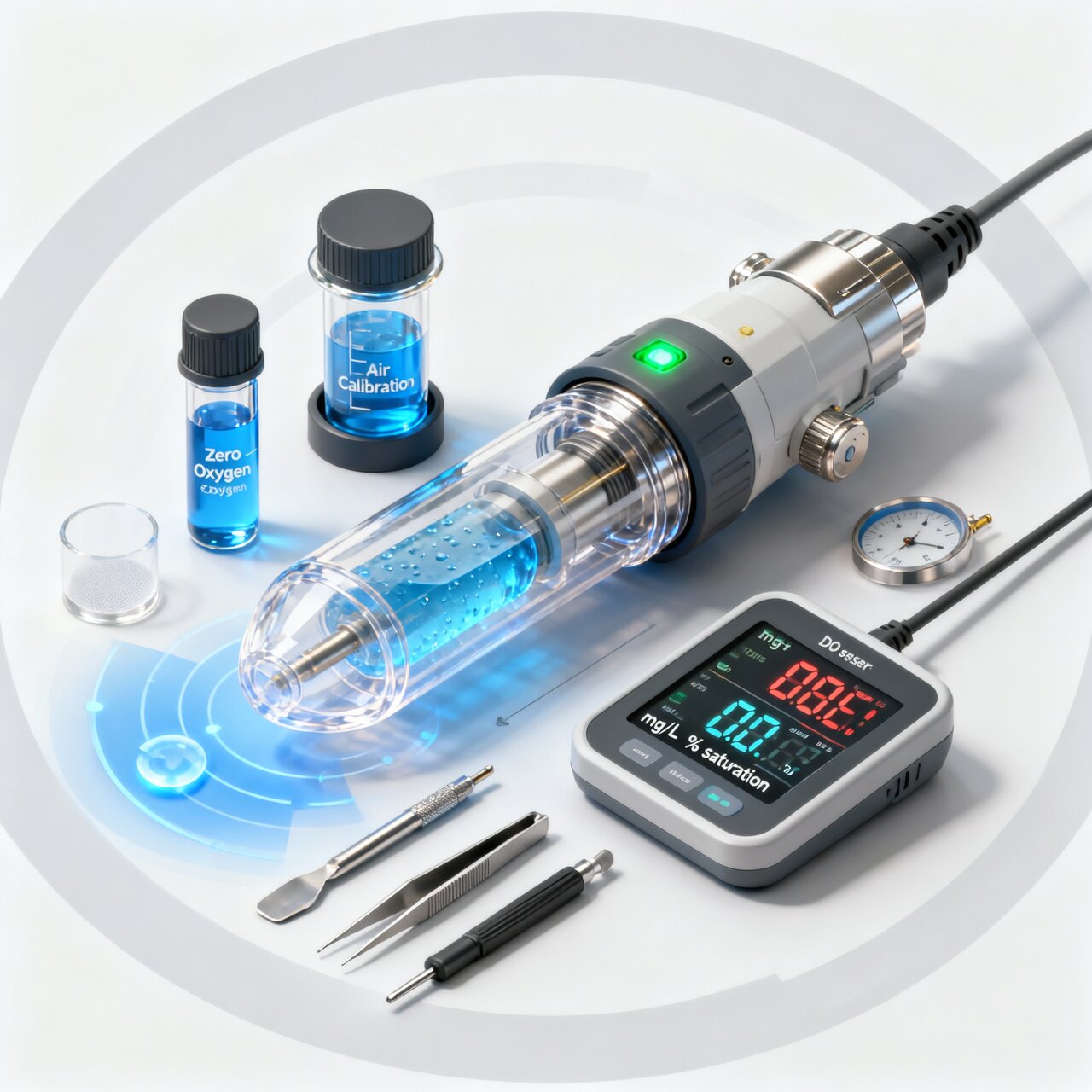
Dissolved oxygen sensor calibration with membrane inspection, electrolyte verification, zero oxygen and air saturation calibration, sample flow validation, and documentation for wastewater and process control
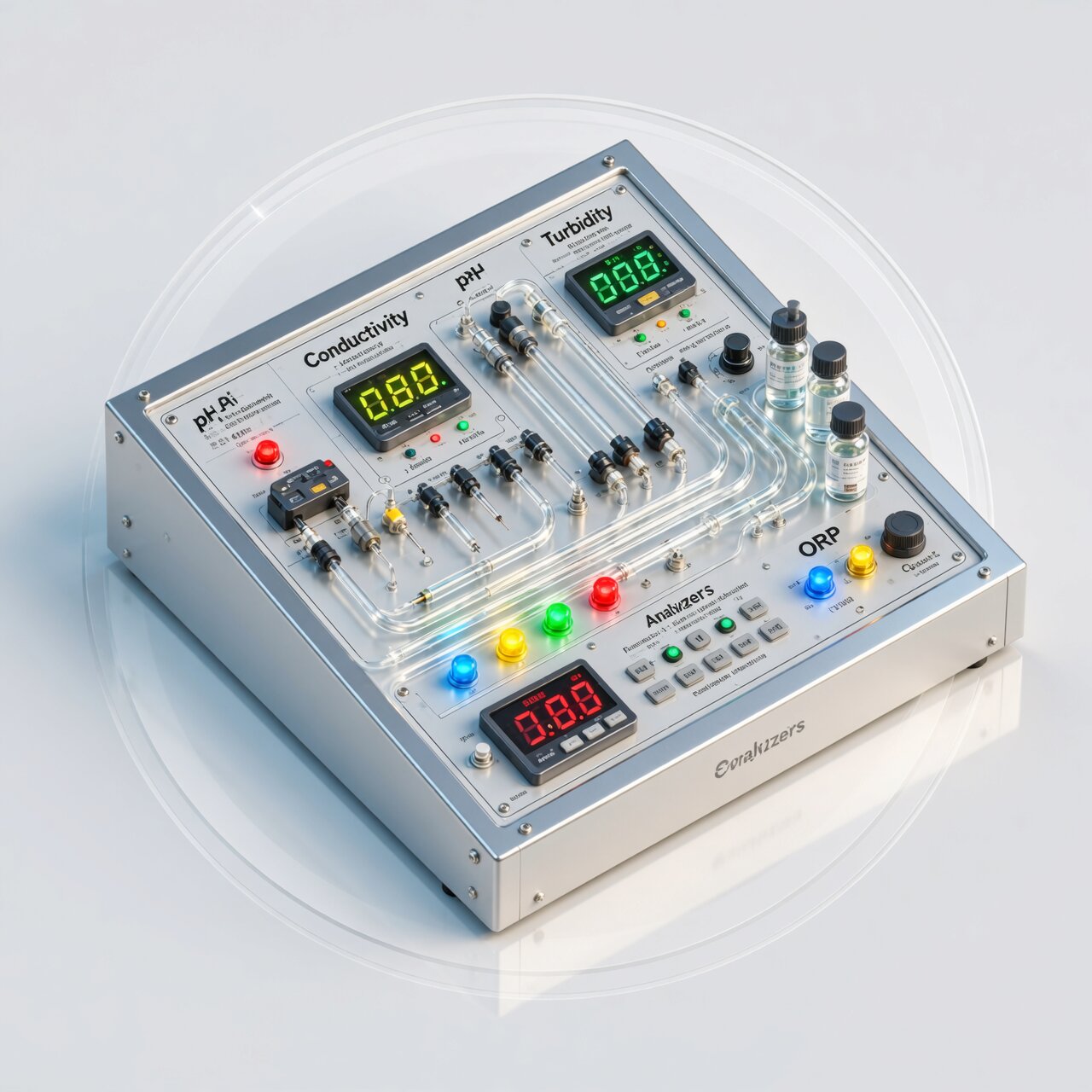
Analytical instrument calibration for pH, conductivity, turbidity, ORP, chlorine, and process analyzers with NIST-traceable standards, sample conditioning verification, and regulatory compliance documentation
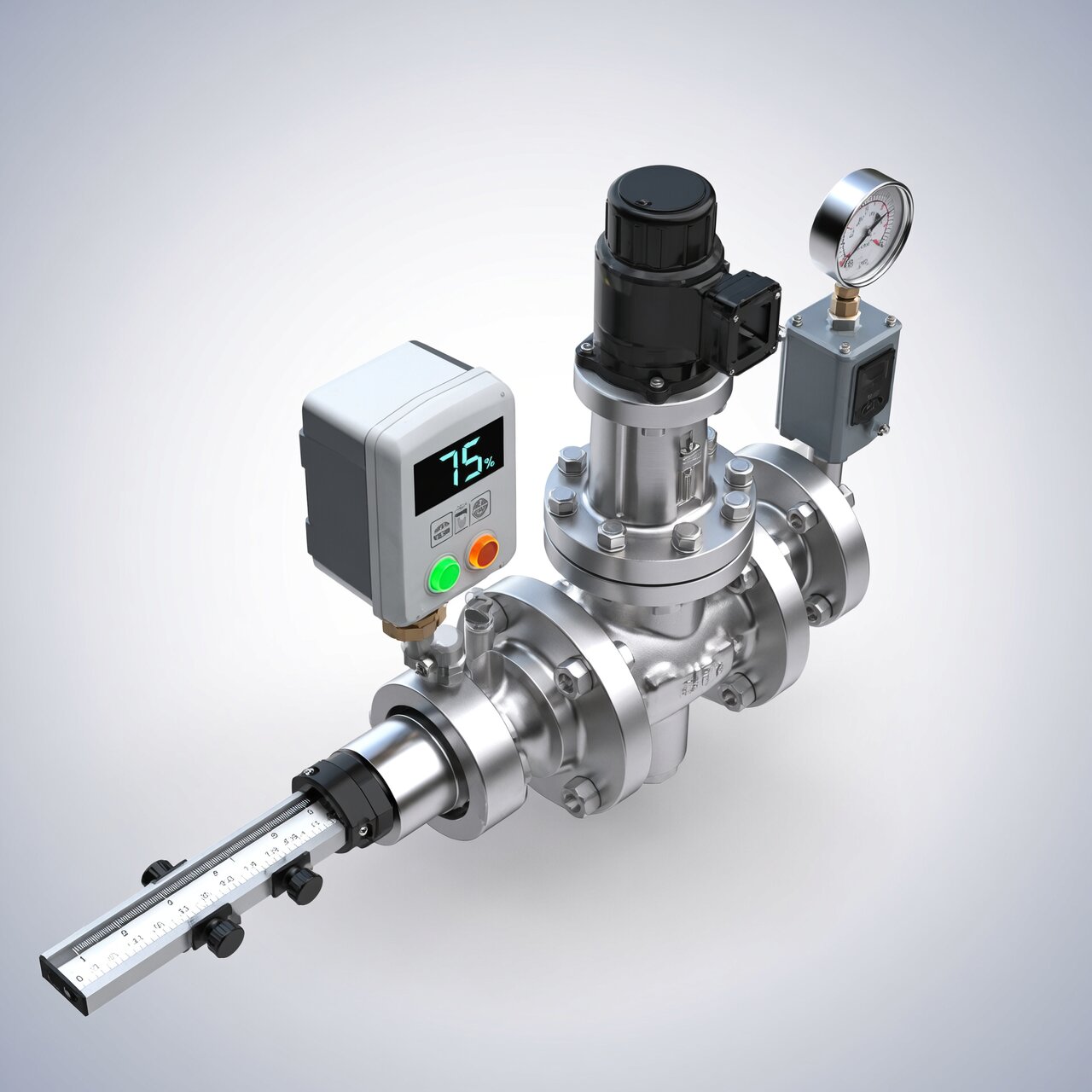
Control valve stroking, positioner calibration, signature analysis, and actuator testing with breakout pressure verification, packing friction assessment, and fail-safe action validation for process control loops
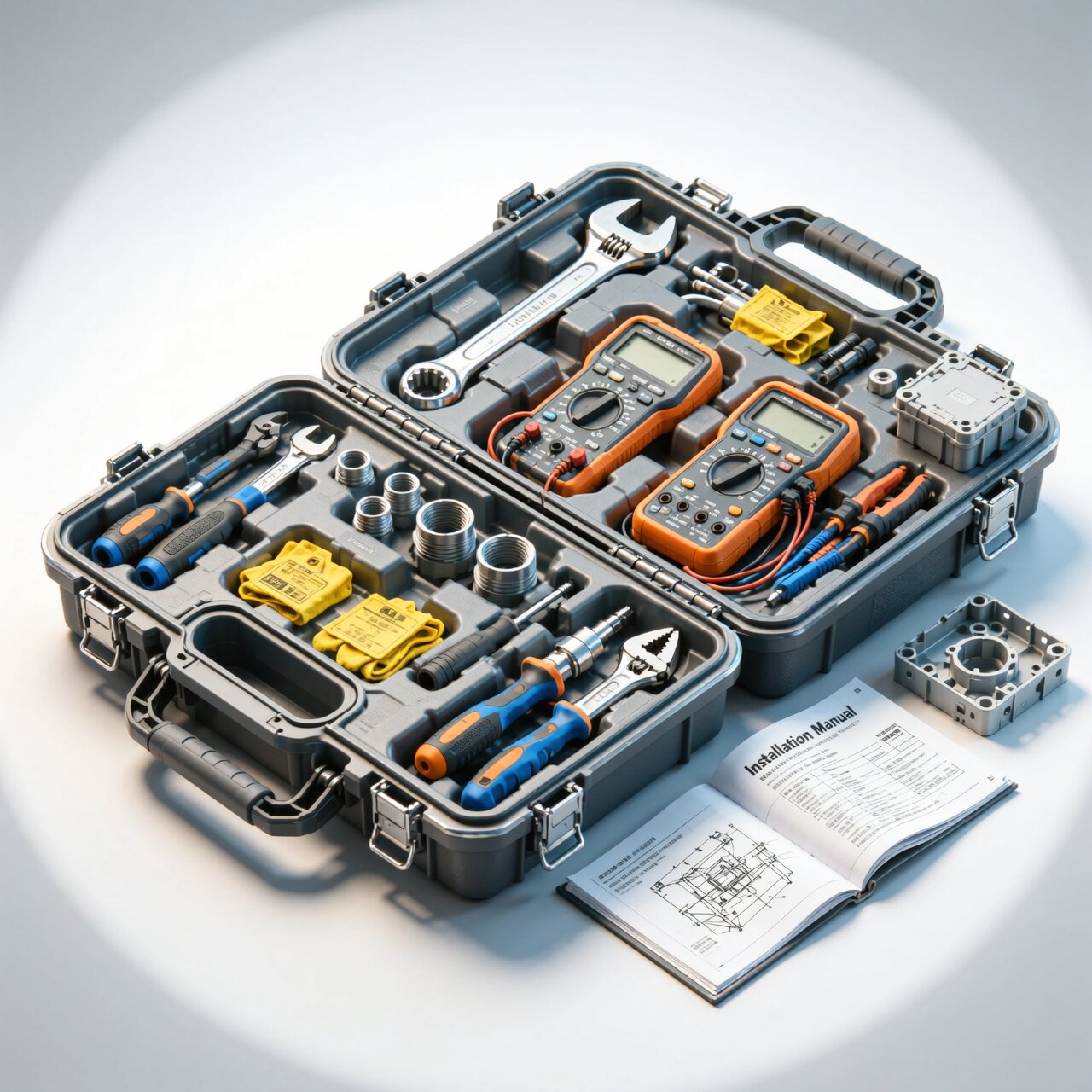
Professional field installation of industrial process instrumentation with proper impulse piping design, environmental protection, process connection torque, mounting bracket installation, and complete documentation
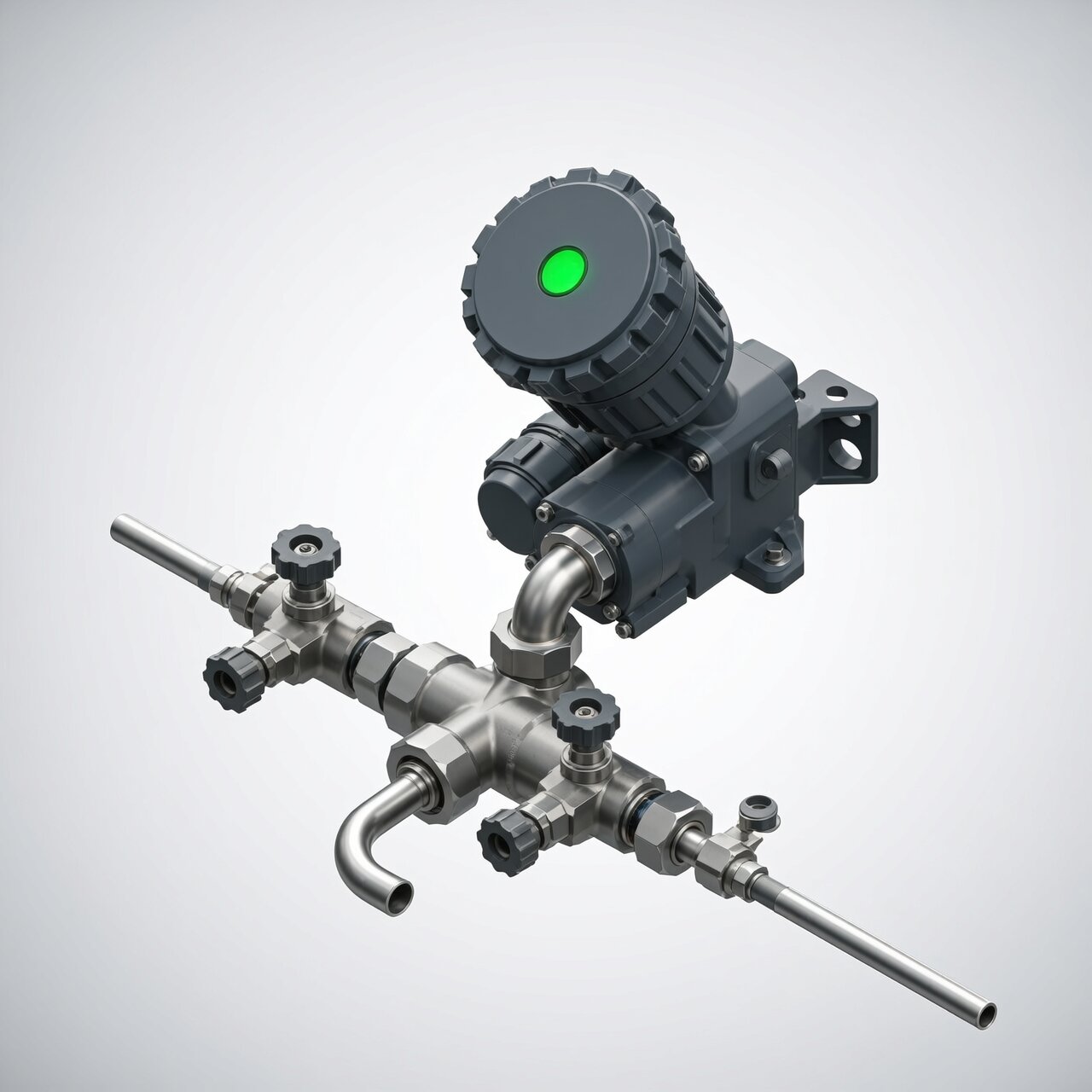
Pressure transmitter installation with proper impulse piping slope, condensate legs for steam service, block-and-bleed manifolds, drain and vent valves, and vibration-rated mounting for accurate measurement
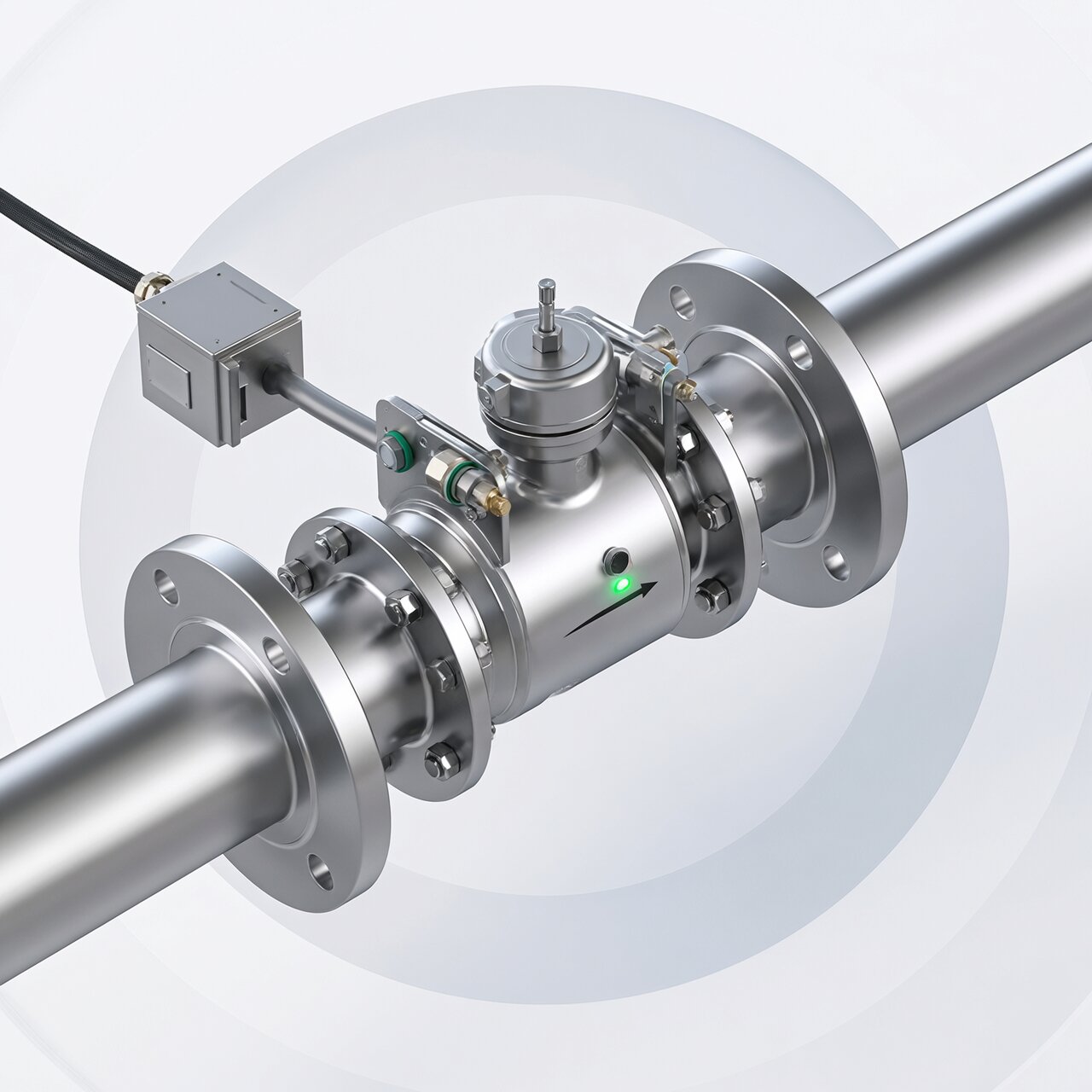
Flow meter installation meeting straight pipe run requirements, flow conditioning where needed, proper grounding and bonding, signal cable routing separate from power, and gasket selection for process compatibility
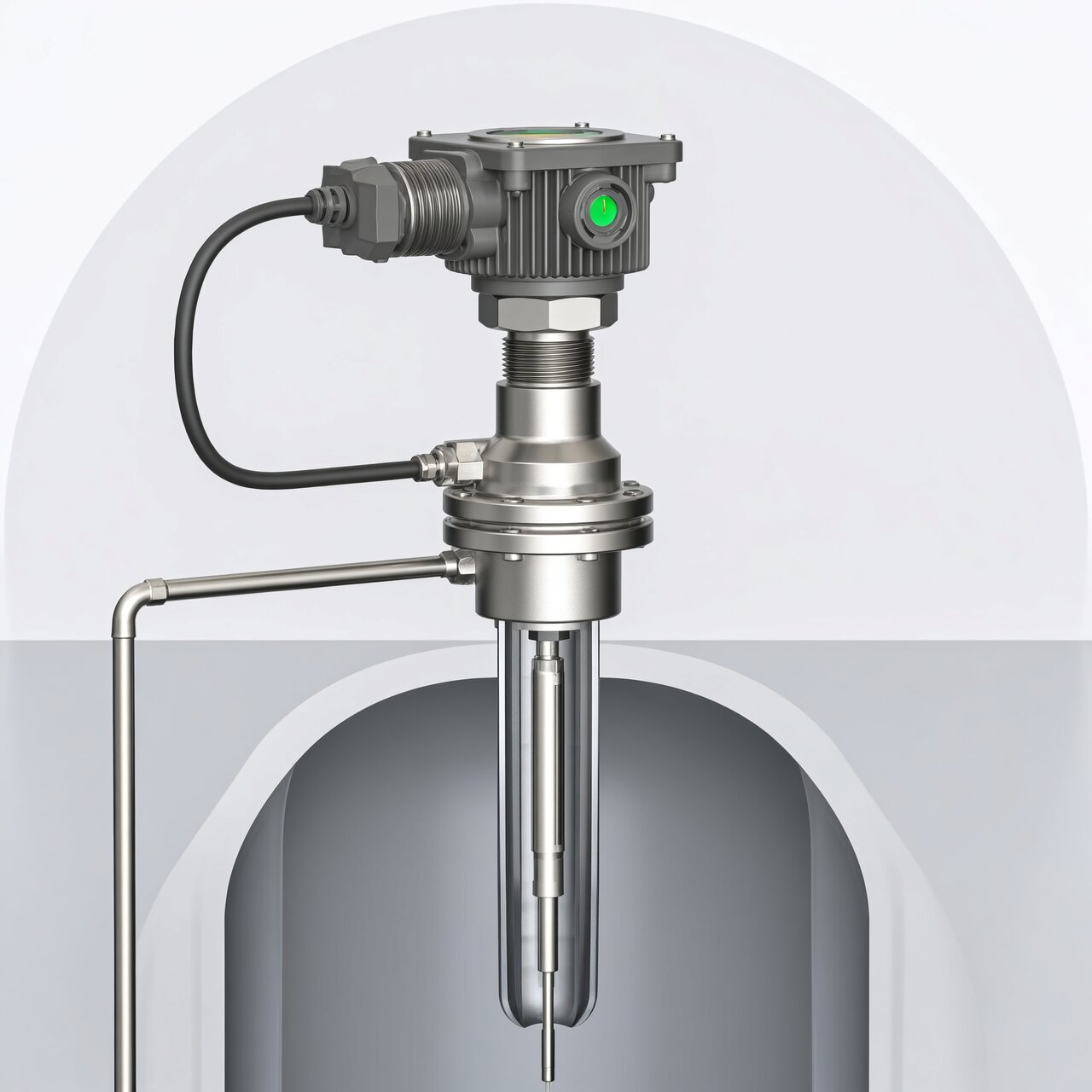
Temperature sensor installation with proper immersion length calculations, thermowell material compatibility, insertion depth verification, cable termination weatherproofing, and junction box mounting for accurate measurement
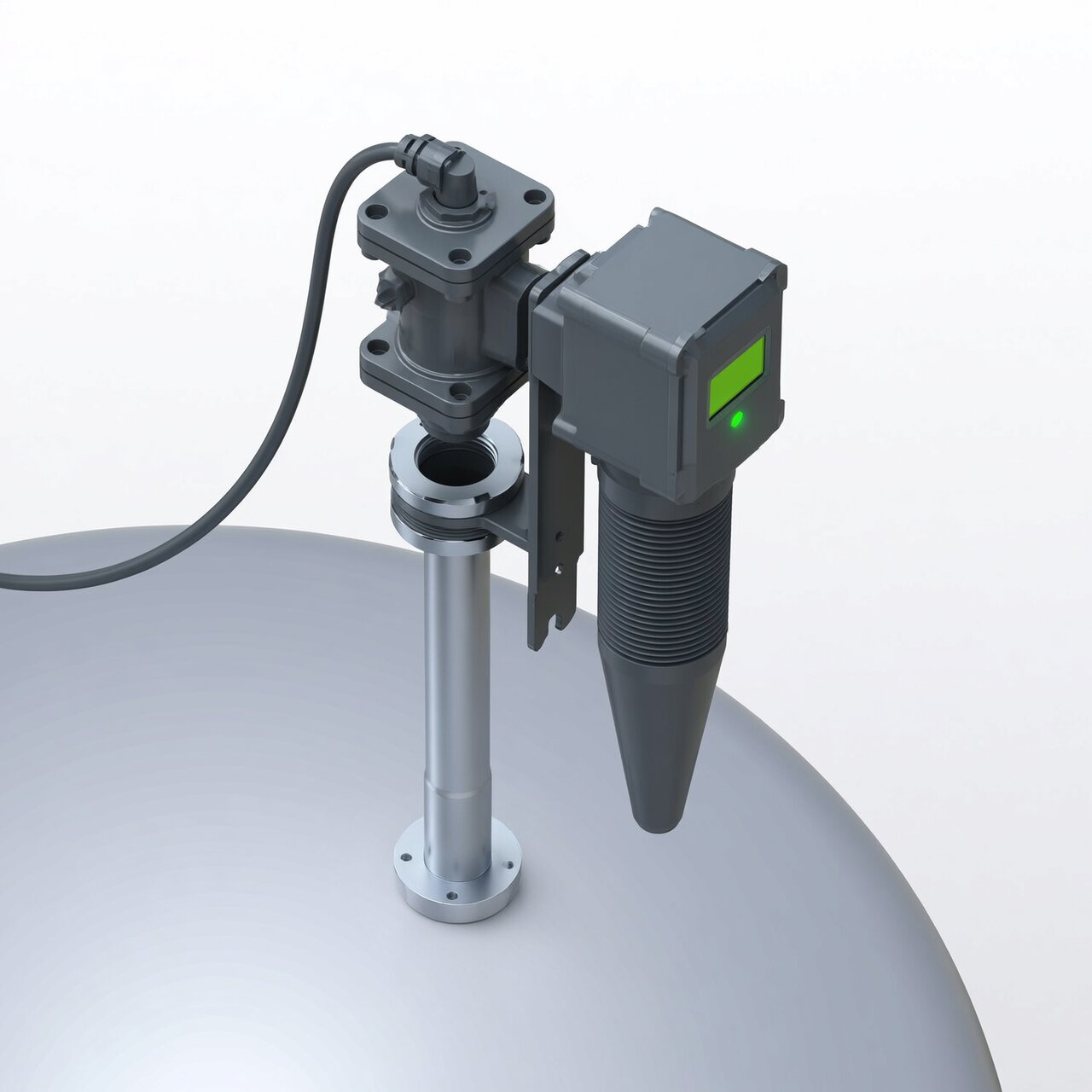
Level transmitter installation with mounting orientation per manufacturer specifications, process connection integrity verification, nozzle penetration considerations, and coating prevention strategies for reliable measurement
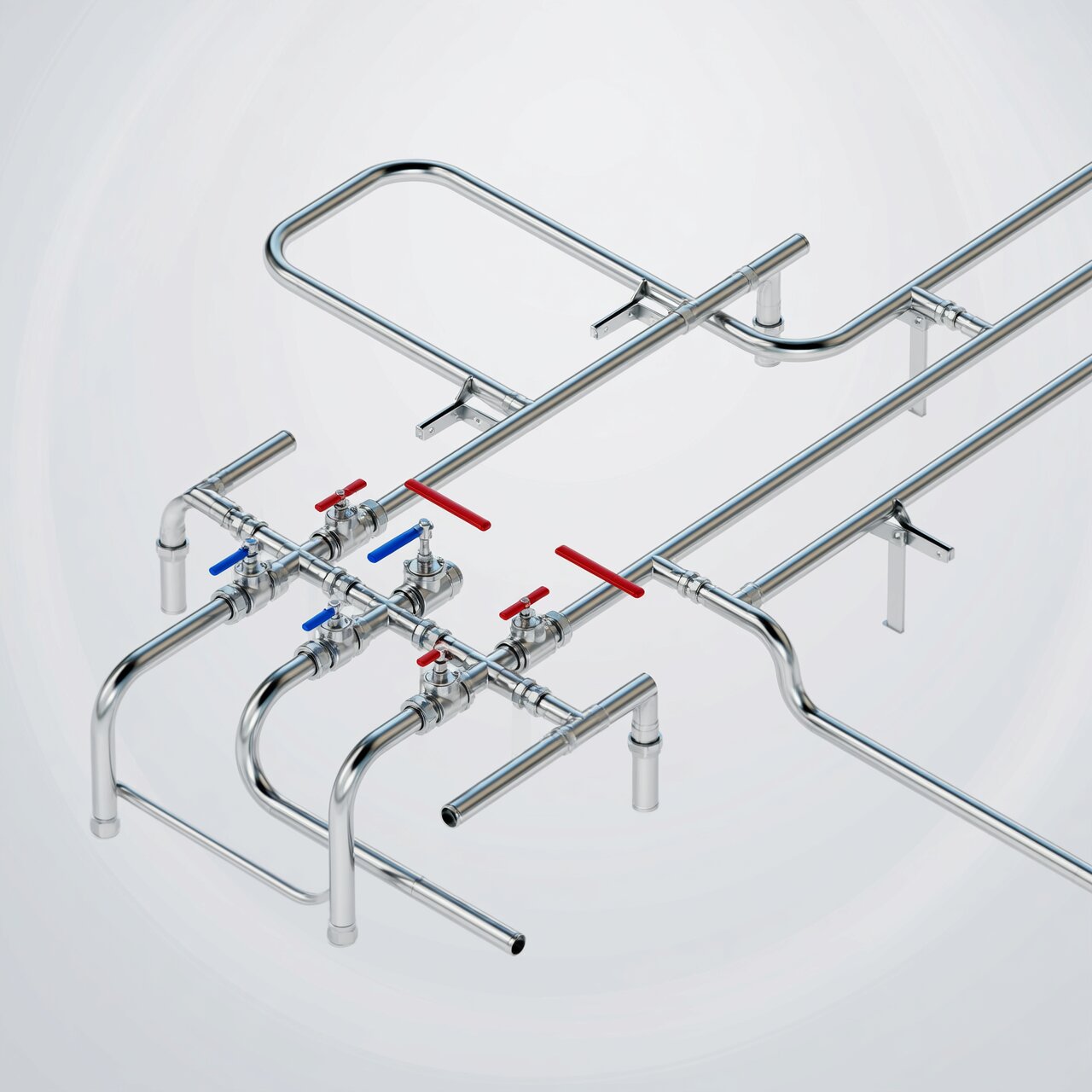
Impulse piping installation with proper slope for process type, condensate or sediment legs, block-and-bleed manifolds, drain and vent valves, and professional support brackets for pressure and level measurement
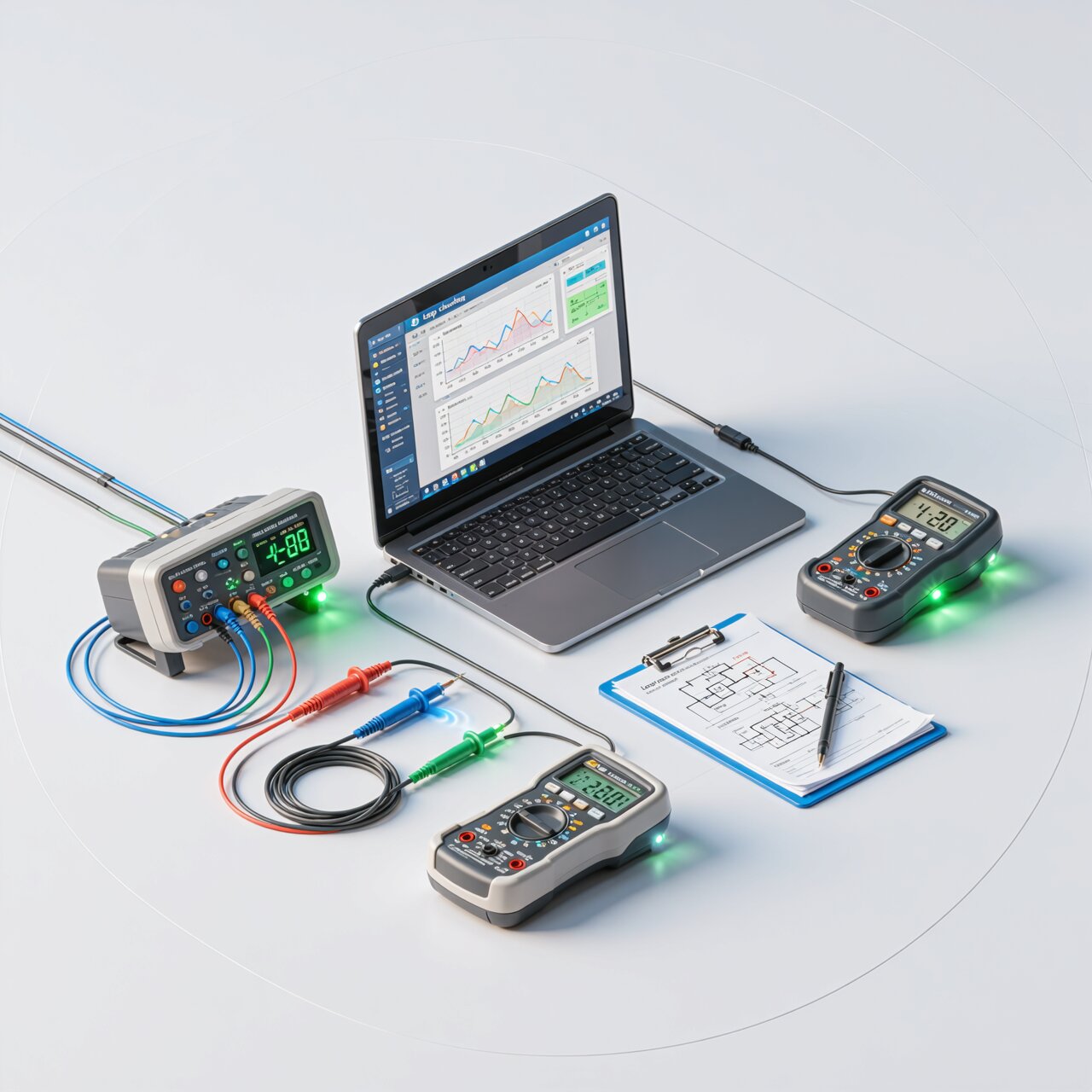
Complete instrumentation loop checking from sensor through PLC to final control element with signal integrity verification, scaling accuracy confirmation, alarm functionality testing, and control response validation
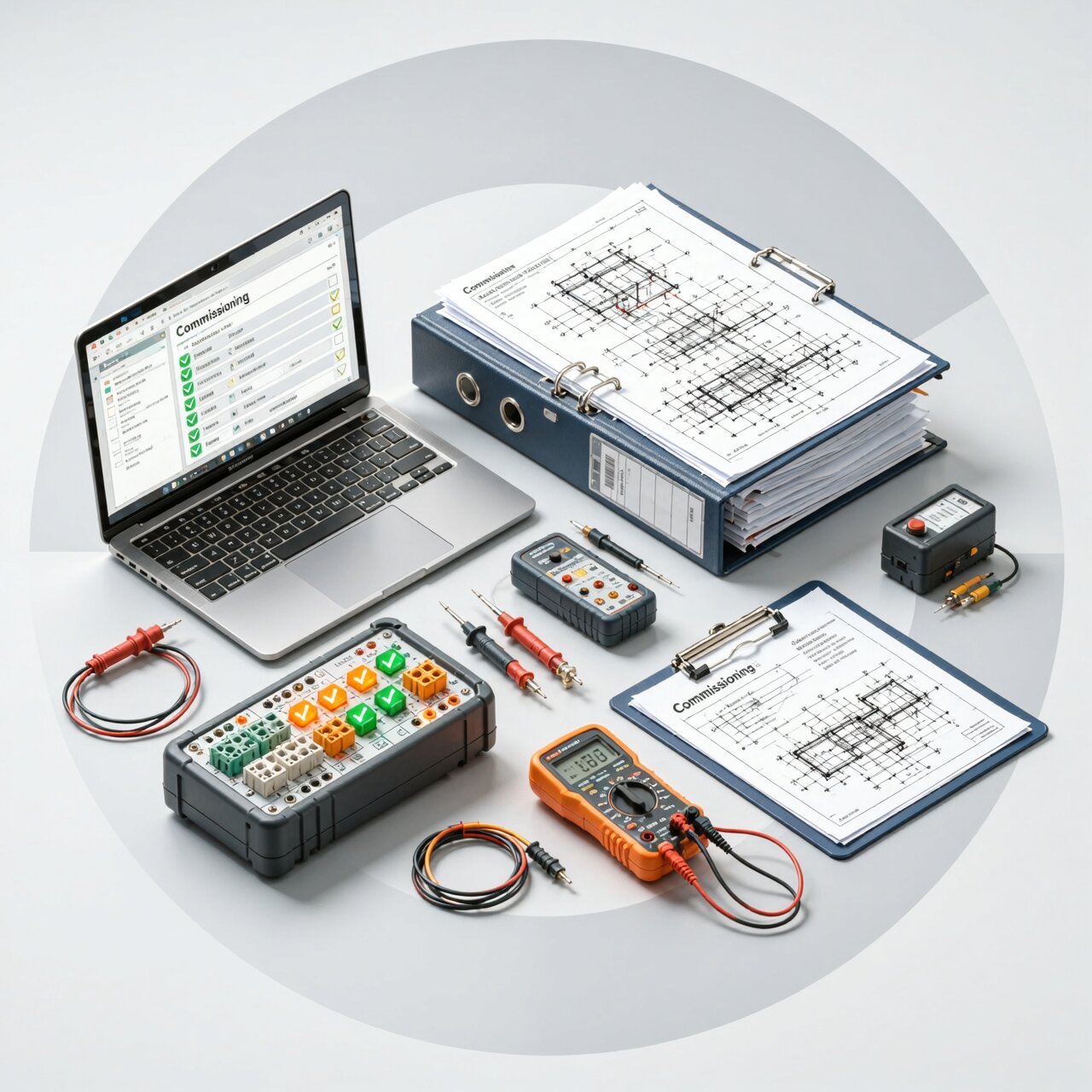
Instrumentation system commissioning with I/O checkout, signal verification, loop testing, safety interlock validation, documentation accuracy confirmation, and professional startup support for new installations
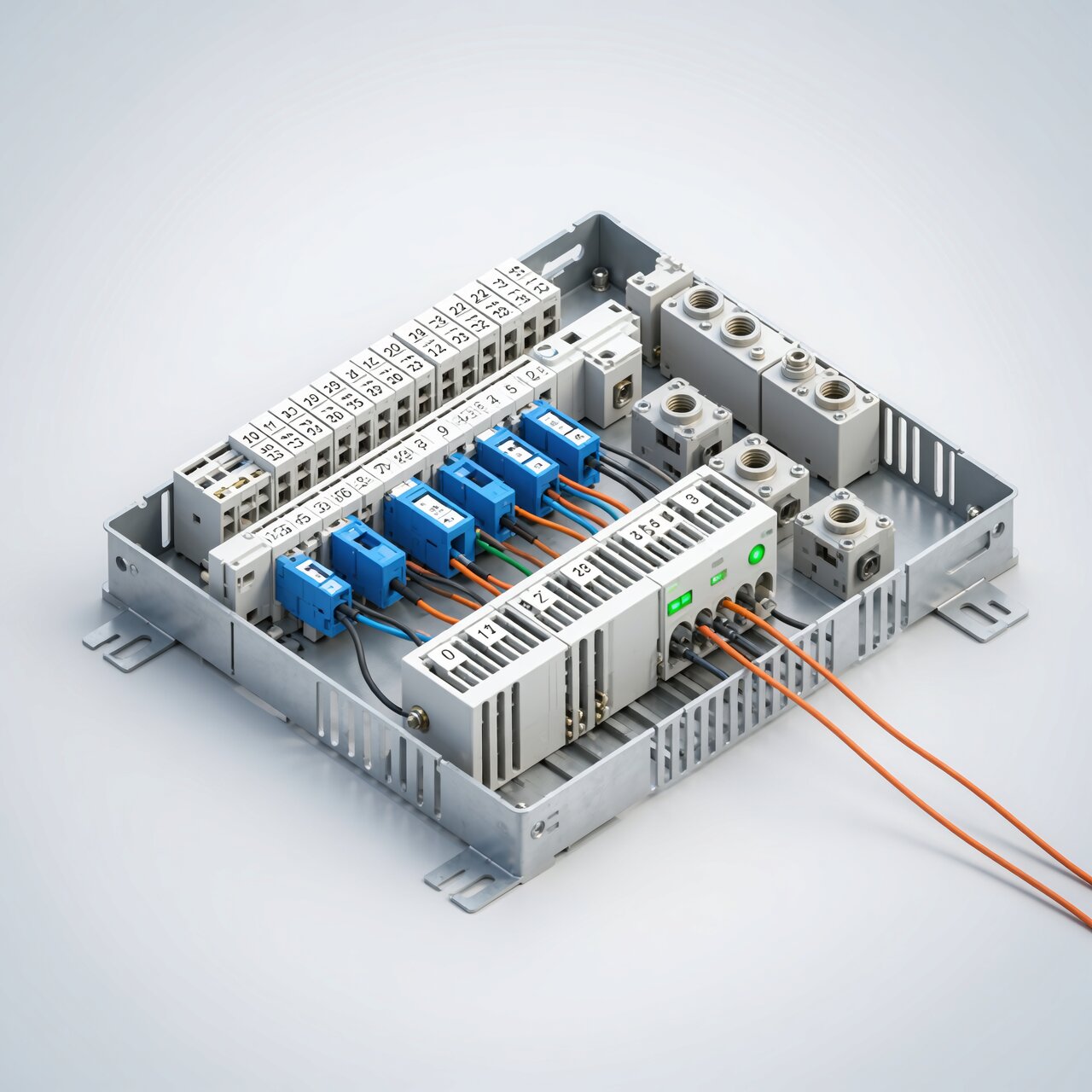
Electrical and instrumentation integration including power distribution for instruments, signal wiring infrastructure, grounding and shielding, junction box installation, and hazardous area compliance
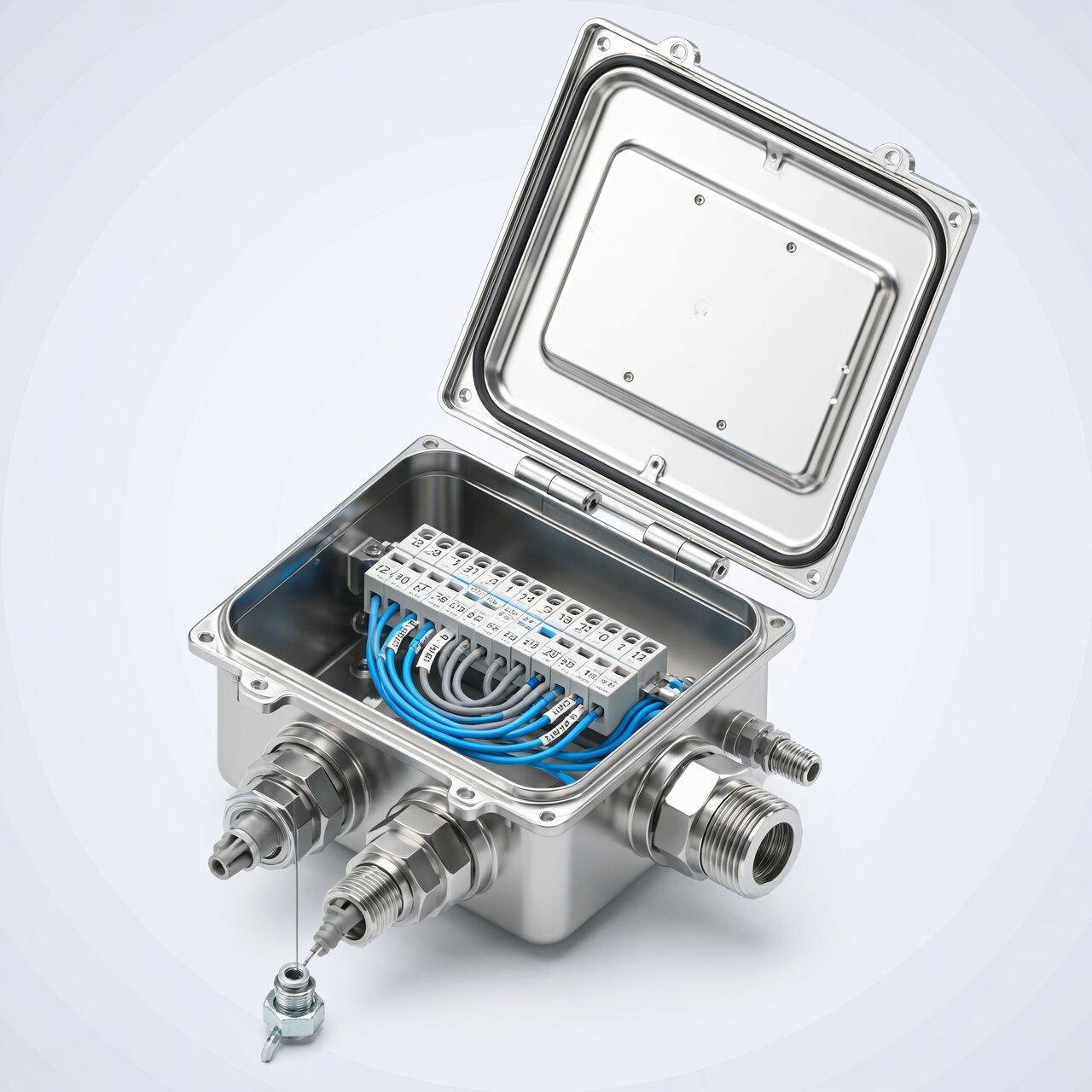
Instrumentation junction box installation with proper NEMA ratings for environment, cable entry seals, organized terminal strips with clear labeling, and moisture protection for reliable signal transmission
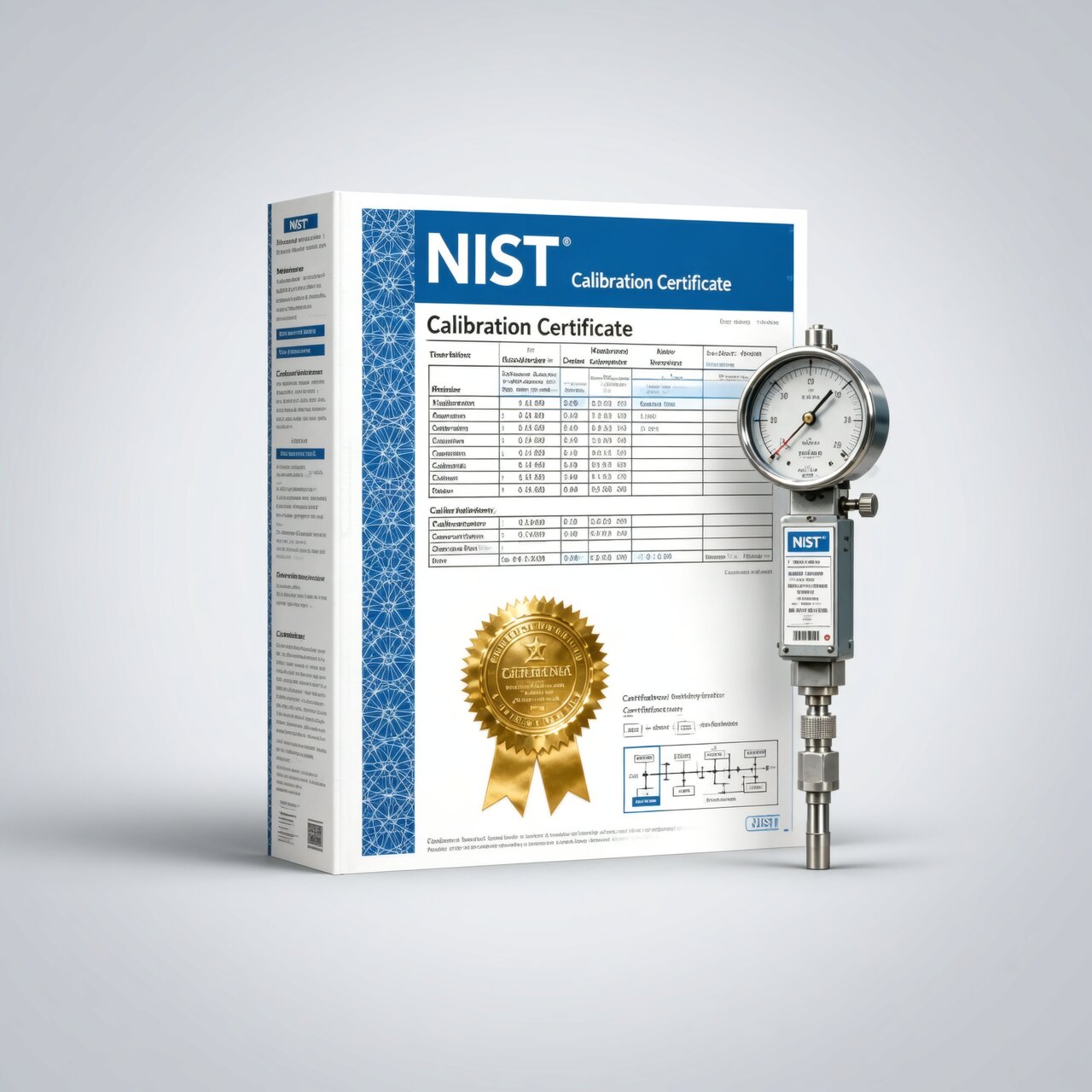
NIST-traceable calibration using reference standards certified by accredited laboratories with documented measurement uncertainty, as-found and as-left records, and certificates that survive regulatory audits
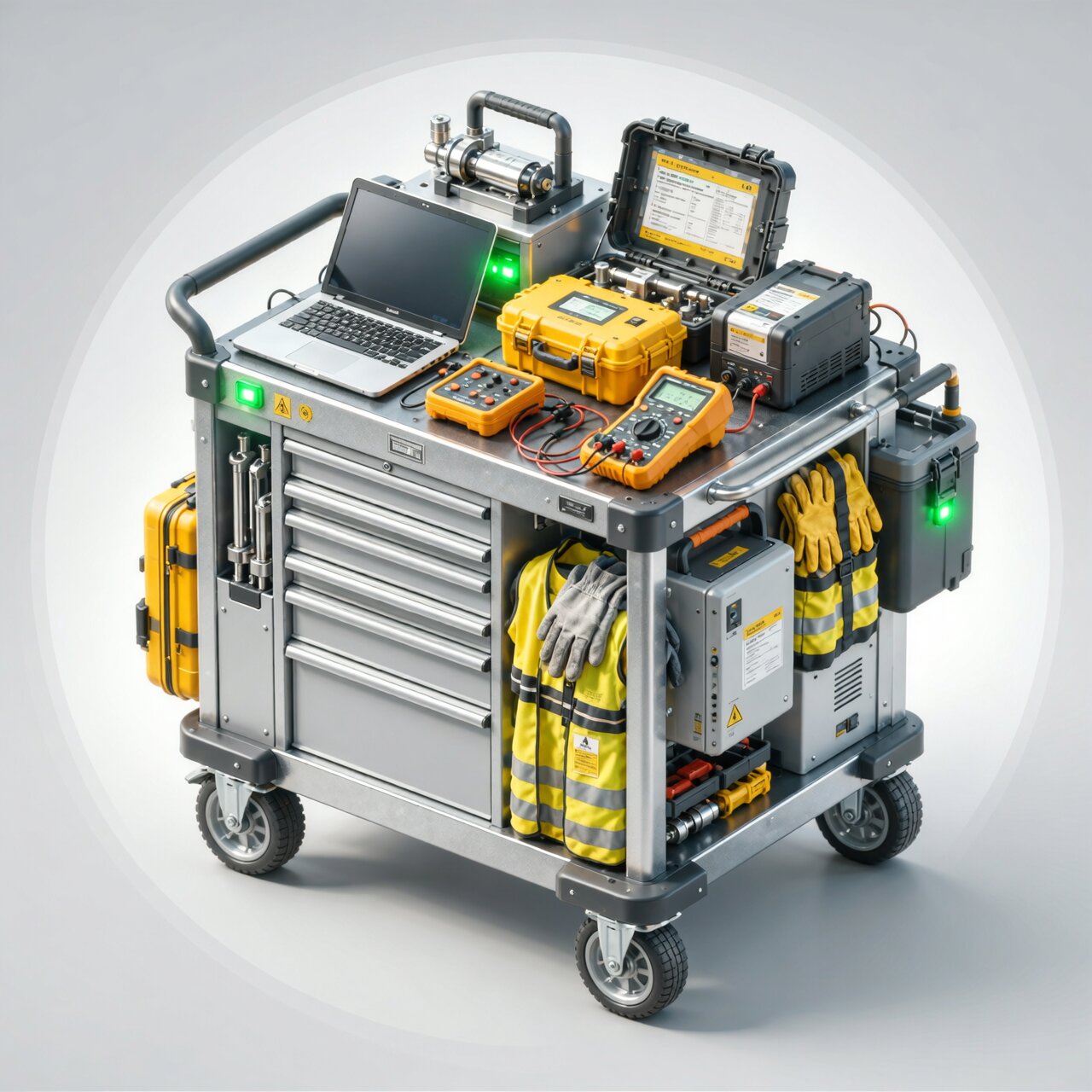
On-site mobile calibration services bringing NIST-traceable standards directly to your facility for field calibration without removing instruments from service, minimizing downtime and maintaining process continuity
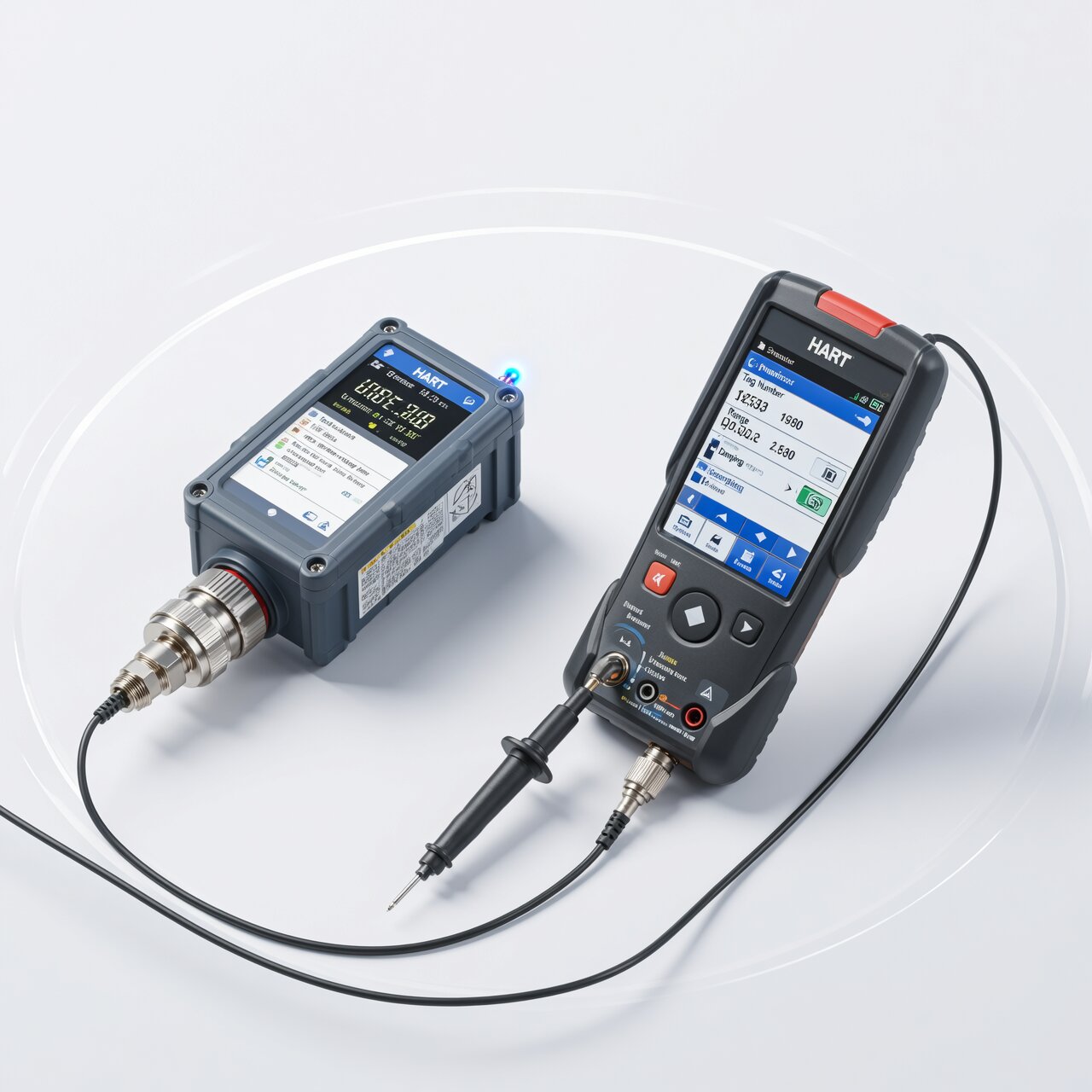
Smart transmitter configuration and programming using HART communicators with range setup, damping adjustment, diagnostic enablement, sensor trim, output trim, and integration with DCS and PLC systems
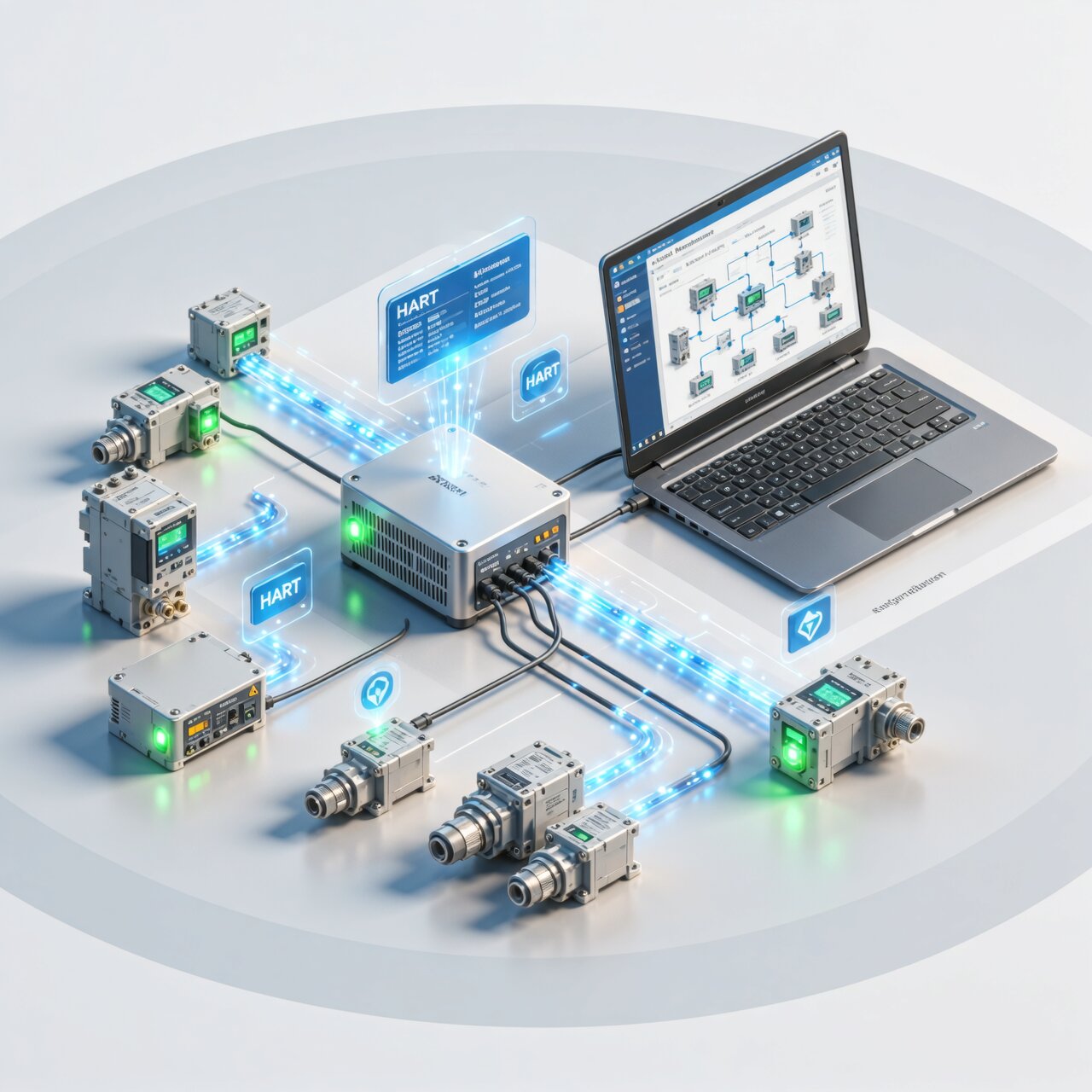
HART communication setup and diagnostics with transmitter configuration, device description file installation, diagnostic data review, multidrop network configuration, and integration with asset management systems
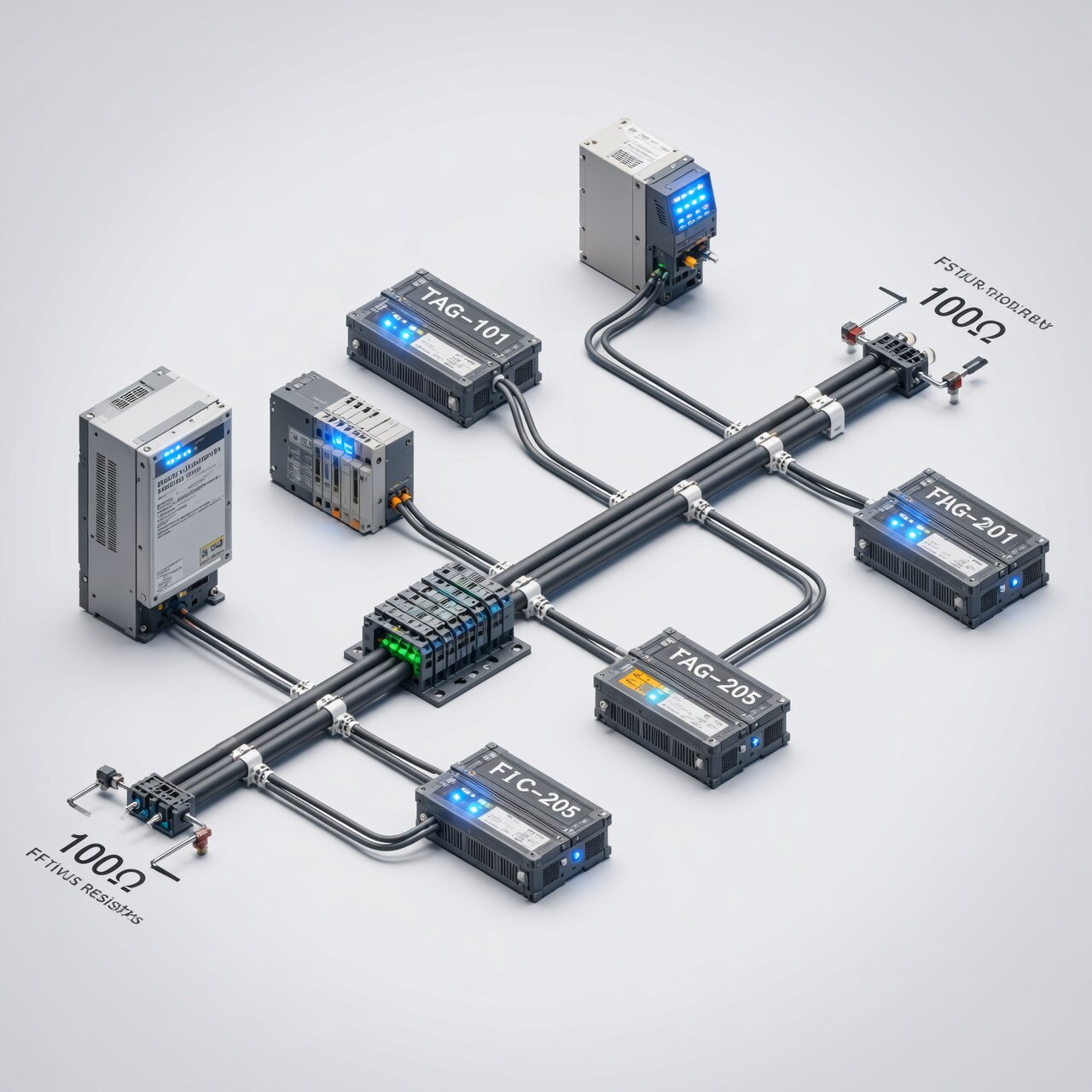
Foundation Fieldbus network design, installation, and commissioning with trunk and spur topology, device addressing, function block configuration, control-in-device setup, and host system integration
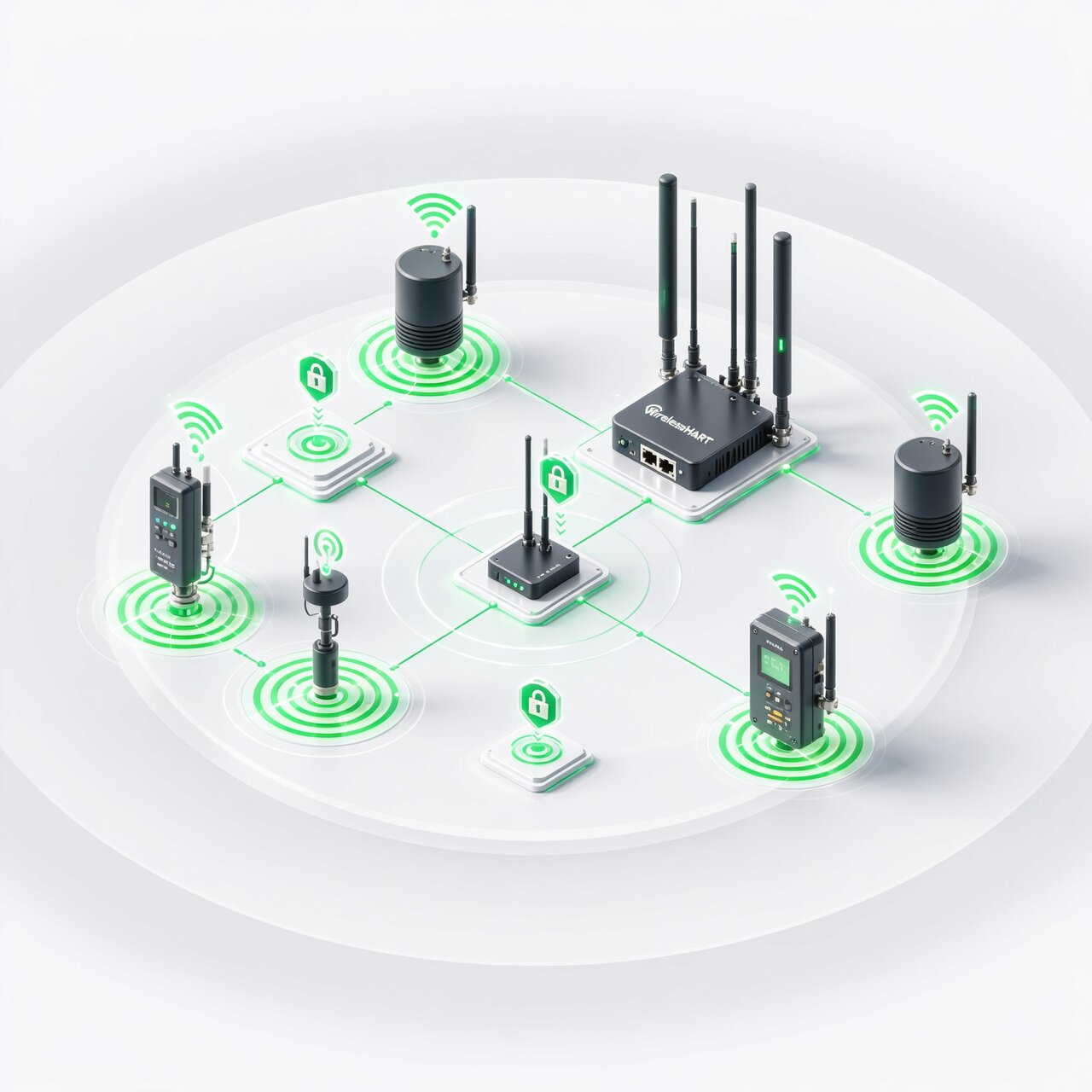
Wireless instrumentation installation and support including WirelessHART networks, ISA100.11a systems, gateway configuration, mesh network design, battery optimization, and secure encrypted communication
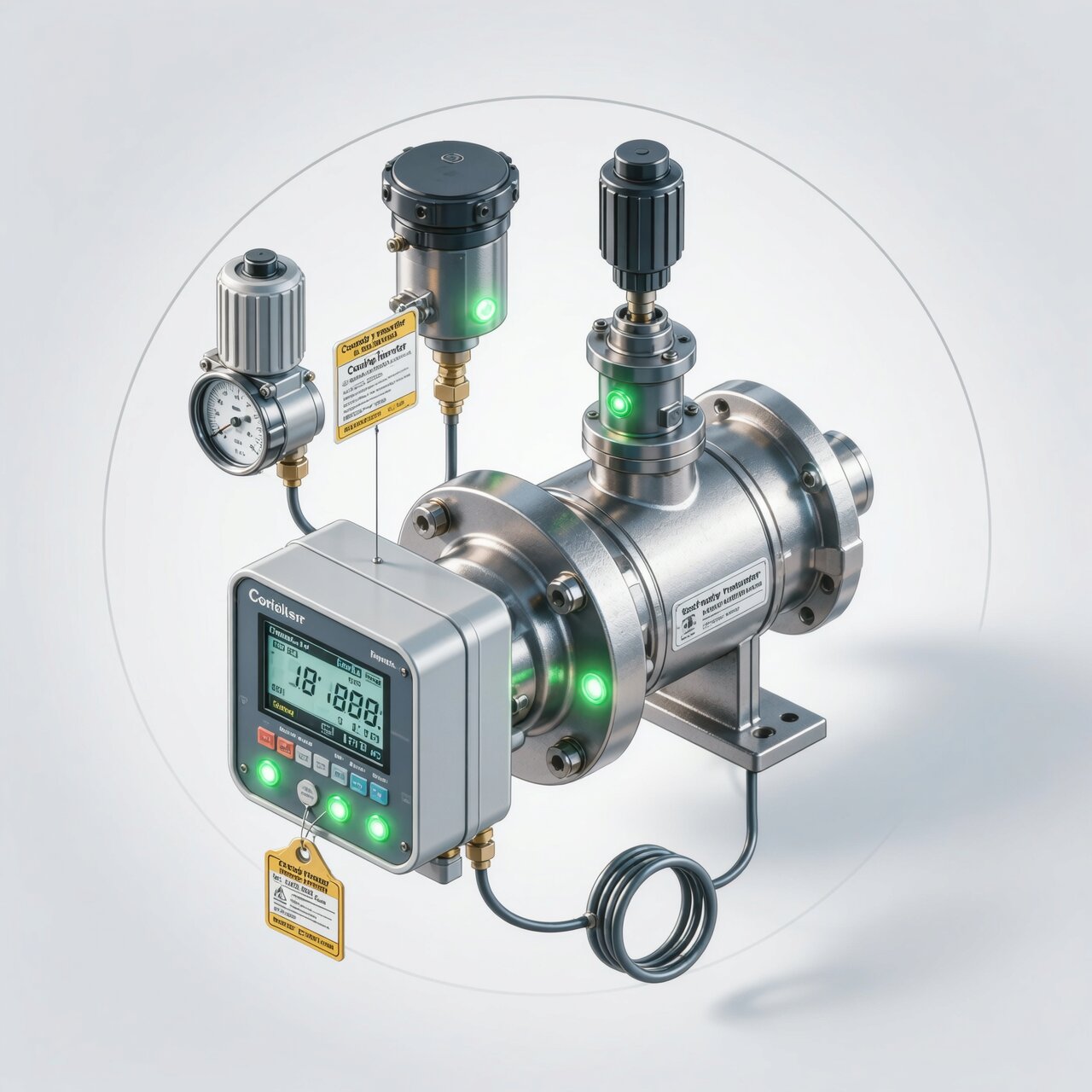
Custody transfer flow meter installation and proving with meter factor determination, flow computer configuration, API MPMS compliance, audit trail documentation, and regulatory reporting for fiscal measurement
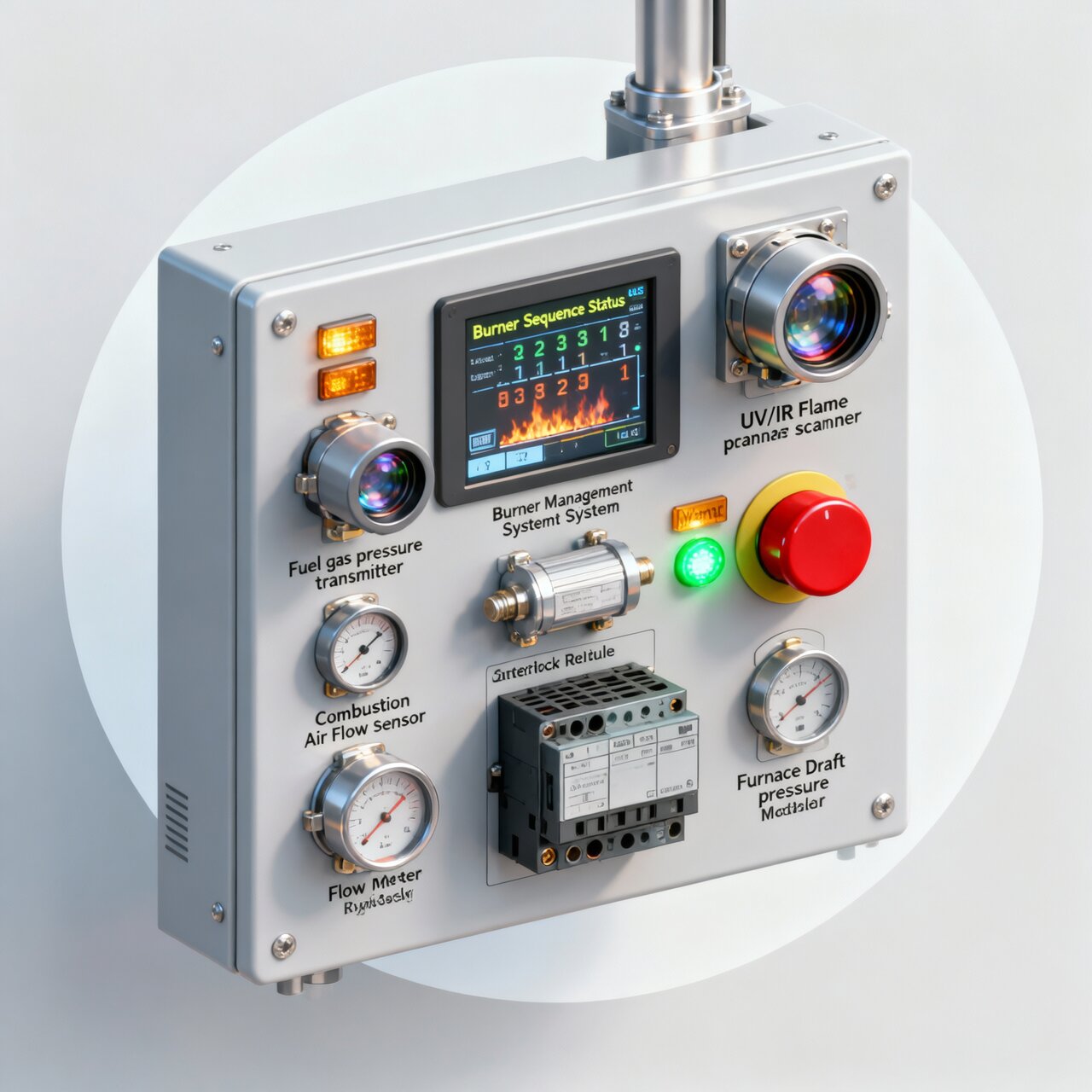
Burner management instrumentation including flame detection, fuel flow measurement, combustion air monitoring, furnace draft pressure, and safety interlock verification for safe combustion control
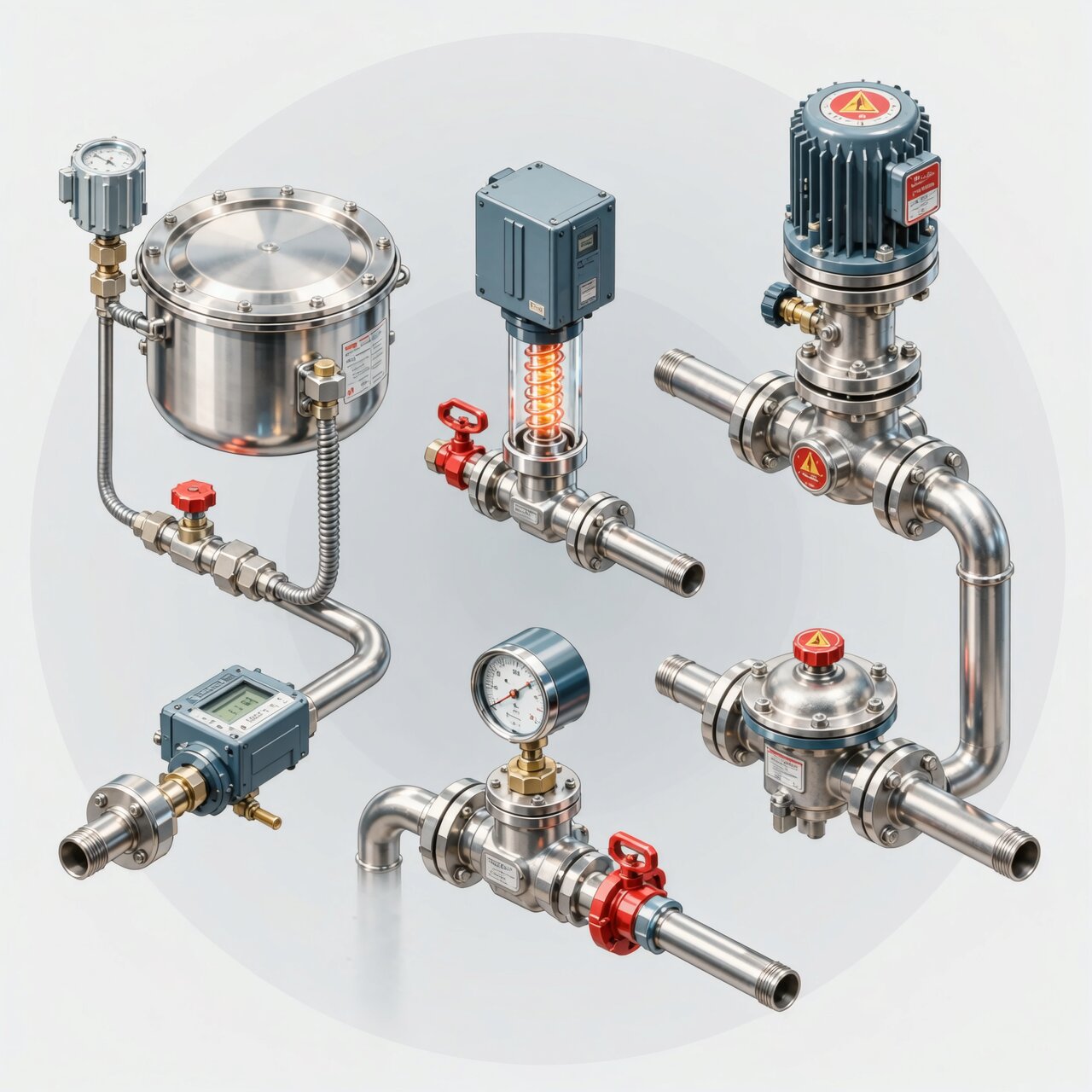
Steam system instrumentation with proper condensate leg installation, steam flow measurement, pressure and temperature monitoring, level control for flash tanks, and safety system integration
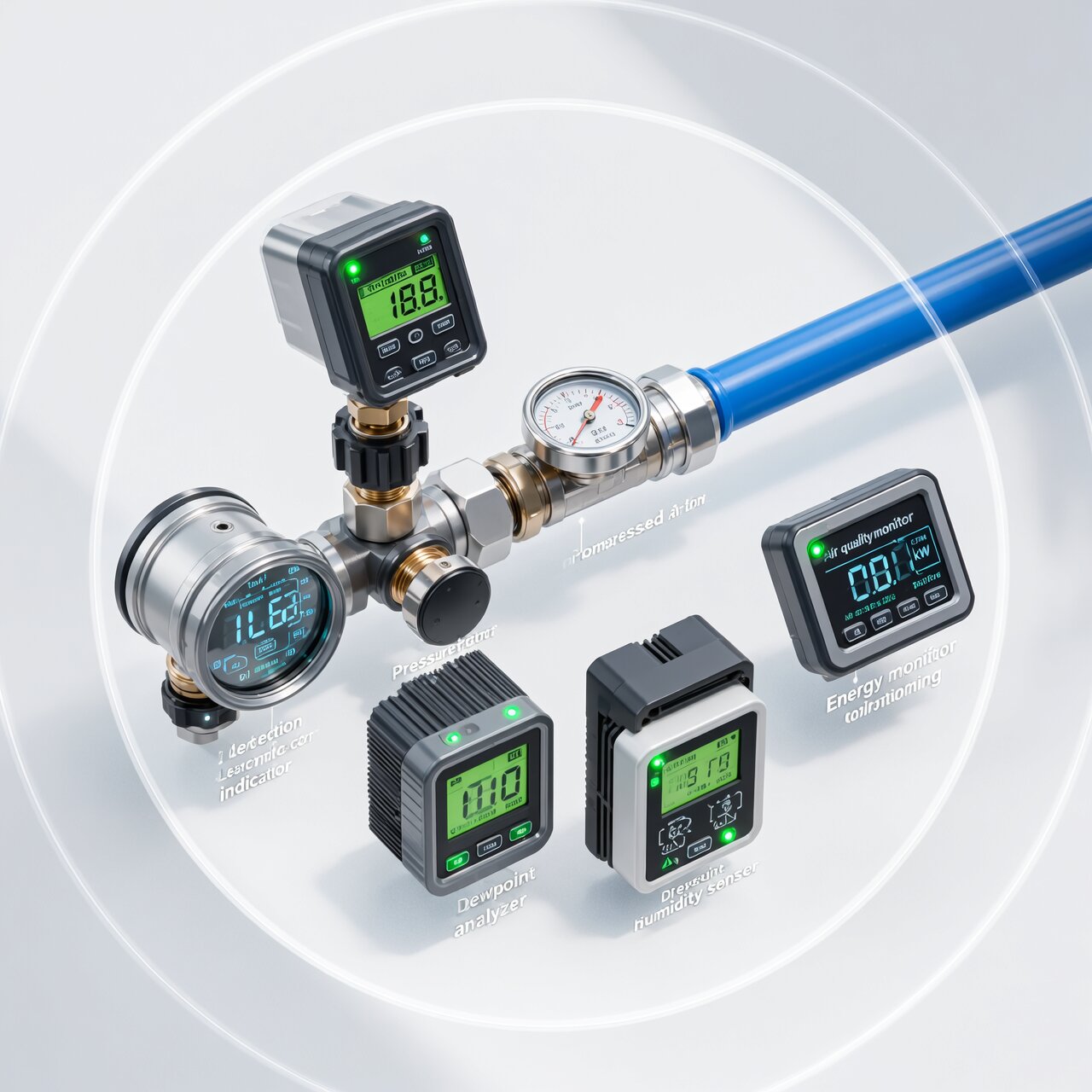
Compressed air system instrumentation including flow meters for usage tracking, pressure monitoring, dewpoint analyzers, air quality instruments, energy monitoring, and leak detection systems
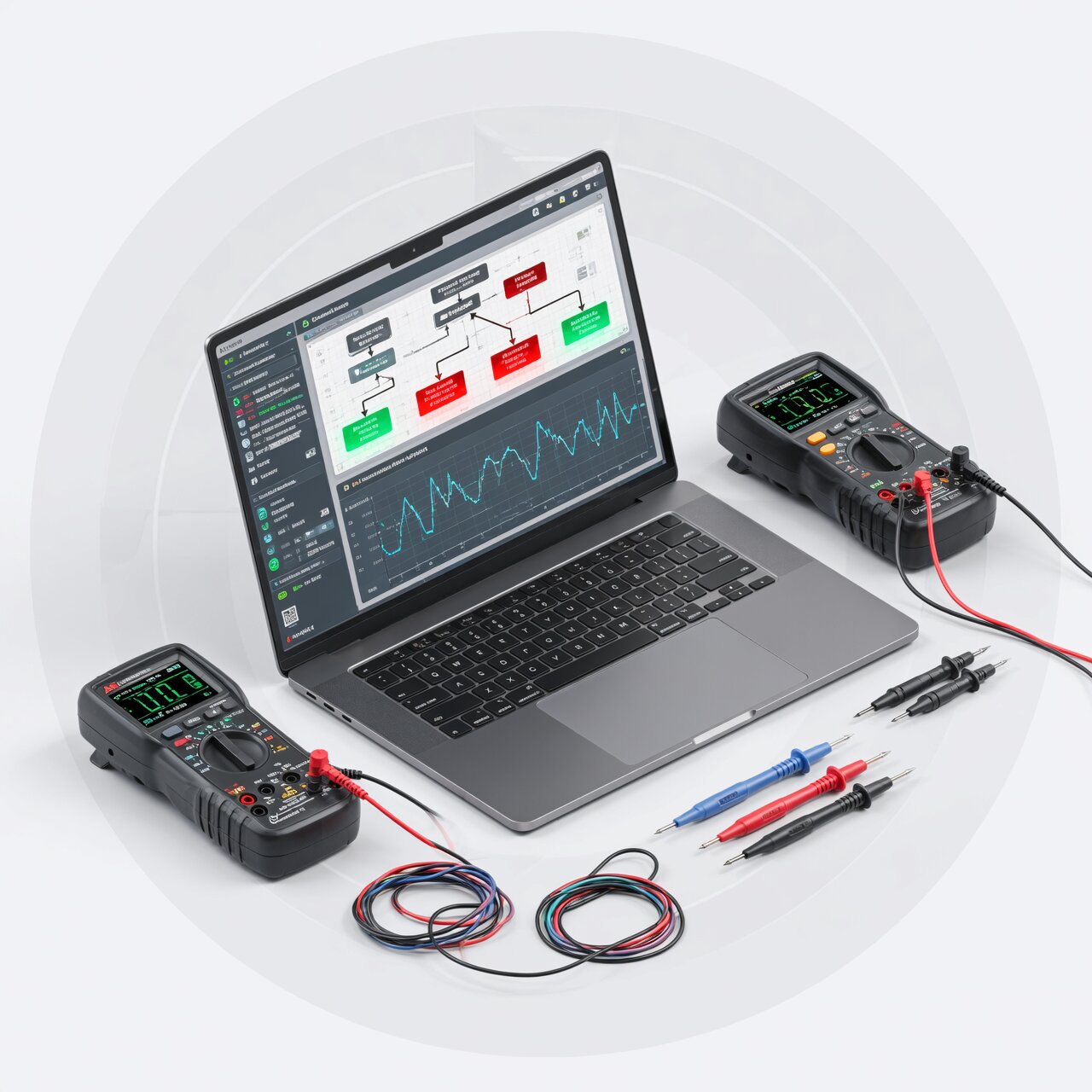
Expert instrumentation troubleshooting with diagnostic laptops, HART communicators, loop calibrators, and systematic problem-solving to identify signal issues, configuration errors, and measurement failures
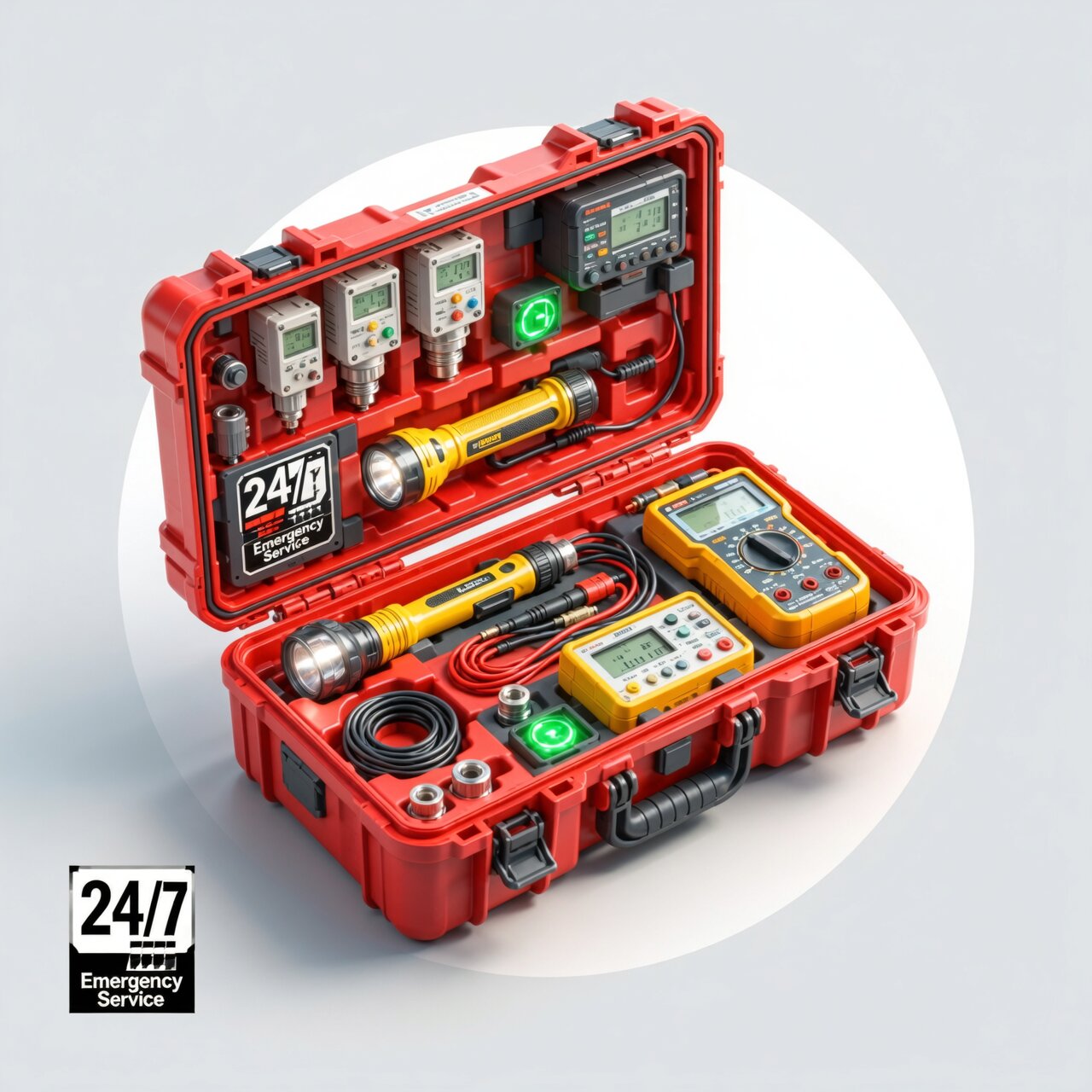
24/7 emergency instrumentation repair with rapid response, spare transmitter inventory, field calibration capabilities, and experienced technicians who troubleshoot failed instruments at 2 AM
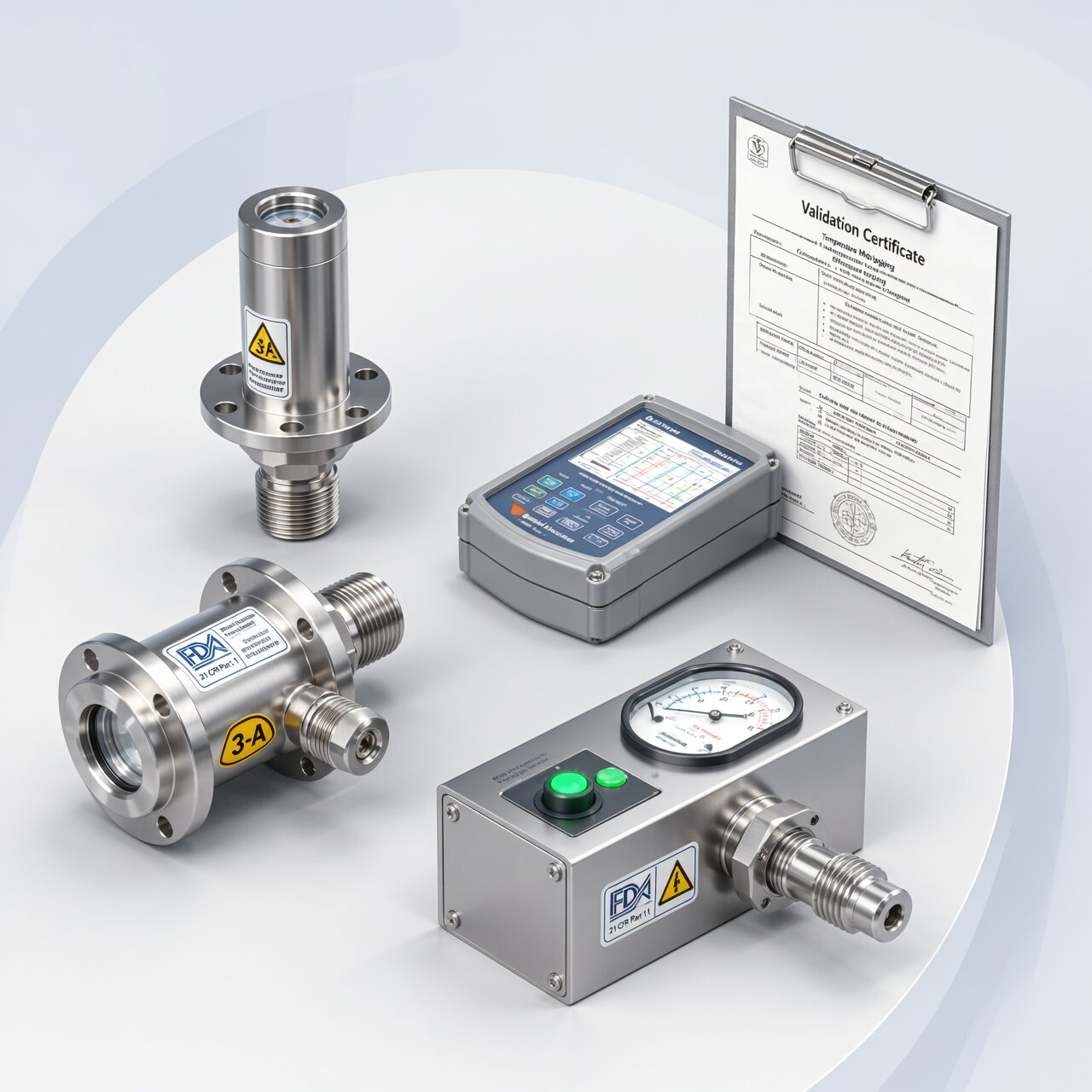
Pharmaceutical and biotech instrumentation services including temperature mapping, clean room pressure monitoring, pure water system instruments, fermentation control, and 21 CFR Part 11 compliant calibration documentation
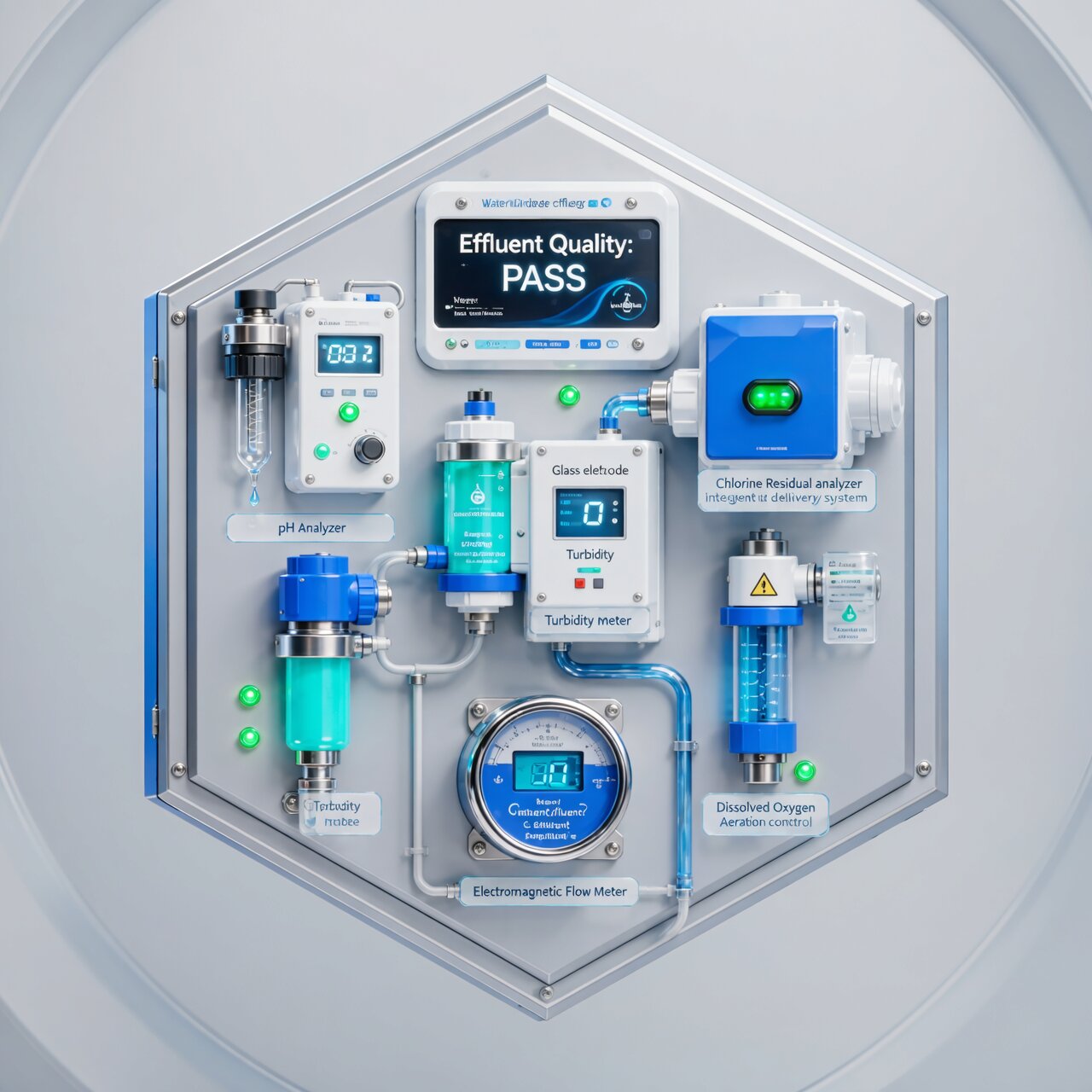
Water and wastewater treatment instrumentation including pH, chlorine residual, turbidity, dissolved oxygen, flow measurement, and sludge blanket level for regulatory compliance and process control
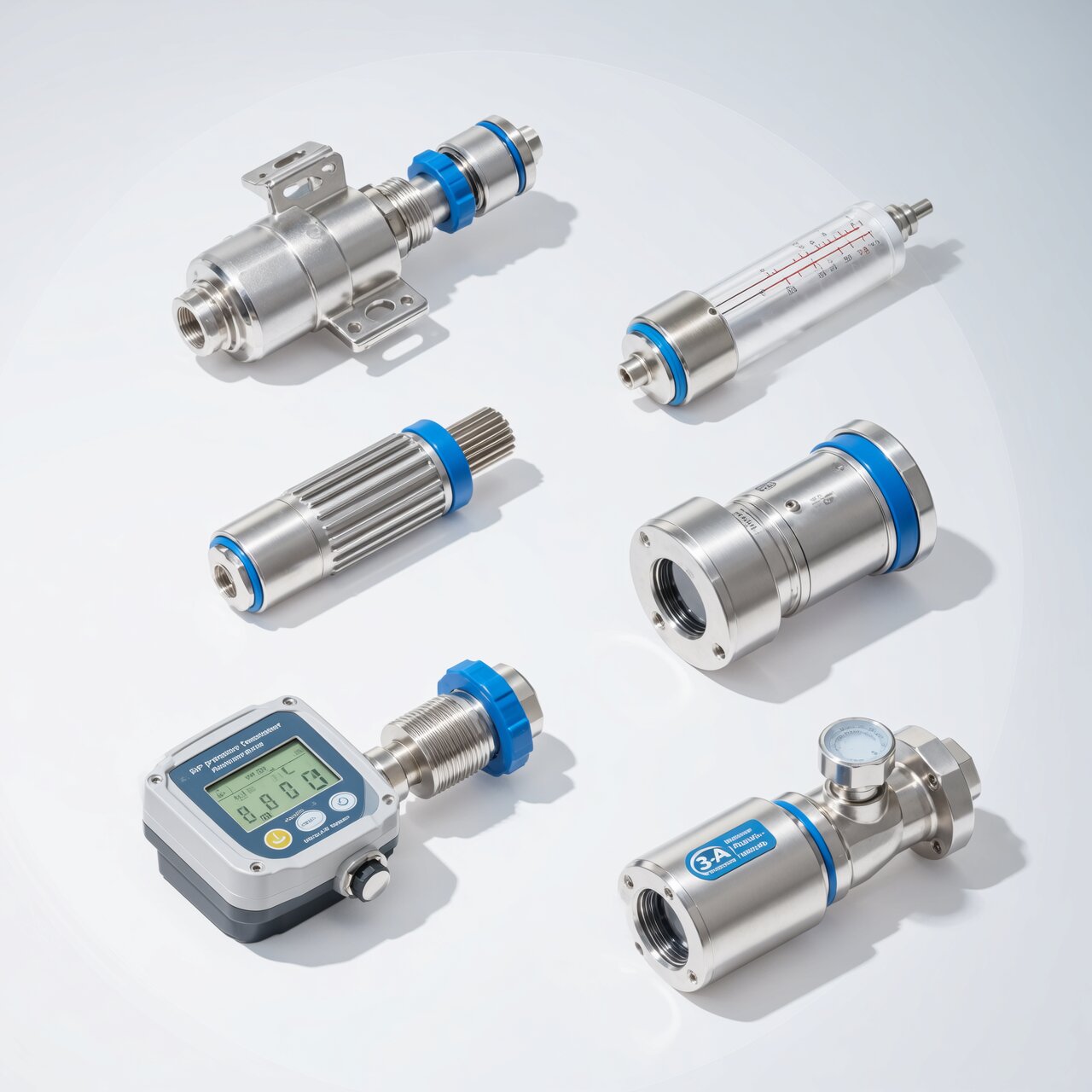
Food and beverage instrumentation with 3-A sanitary design including temperature monitoring for pasteurization, CIP system monitoring, product flow measurement, and pH control for safety and quality
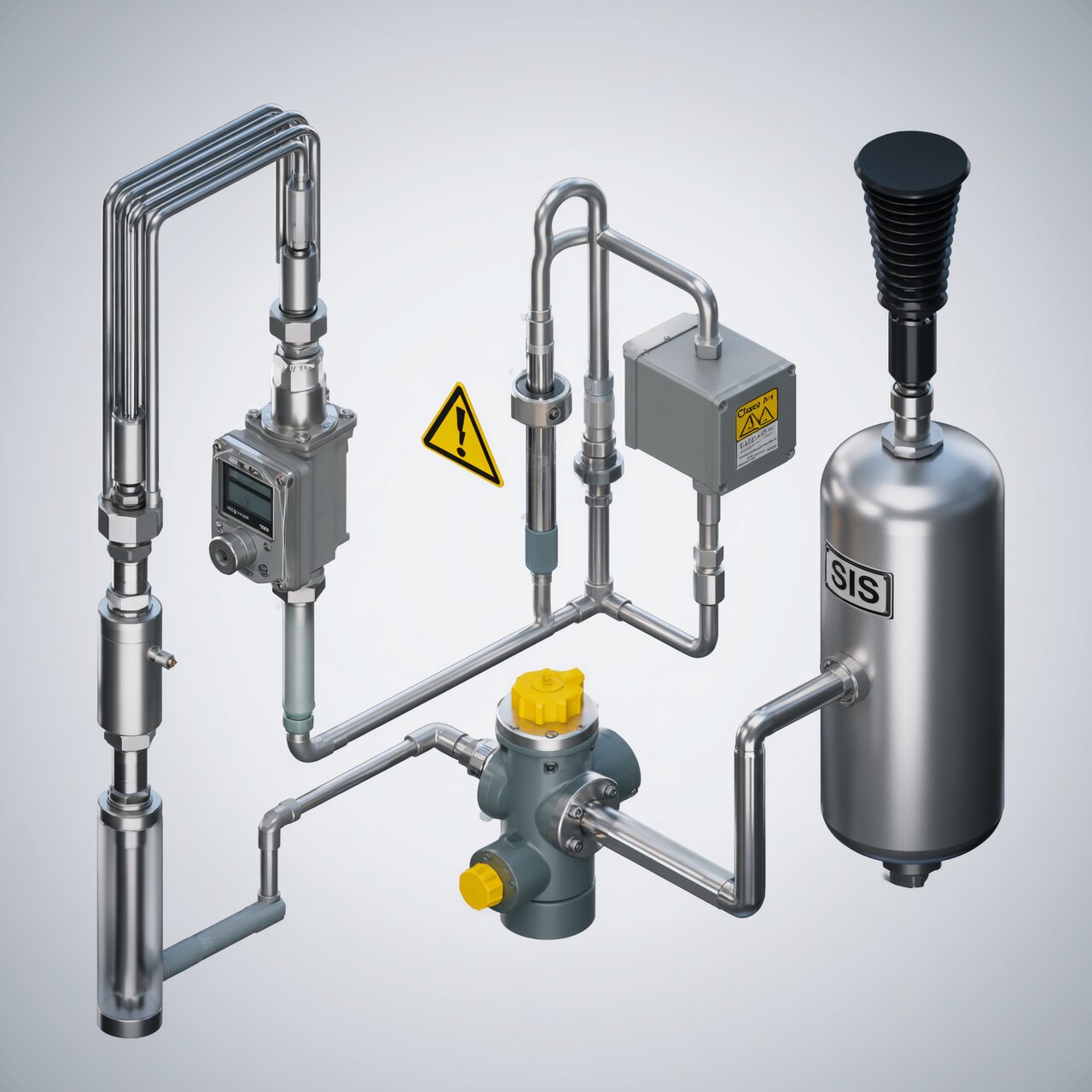
Chemical processing instrumentation for reactors, distillation columns, heat exchangers, and batch control with corrosion-resistant materials, hazardous area compliance, and safety instrumented system integration
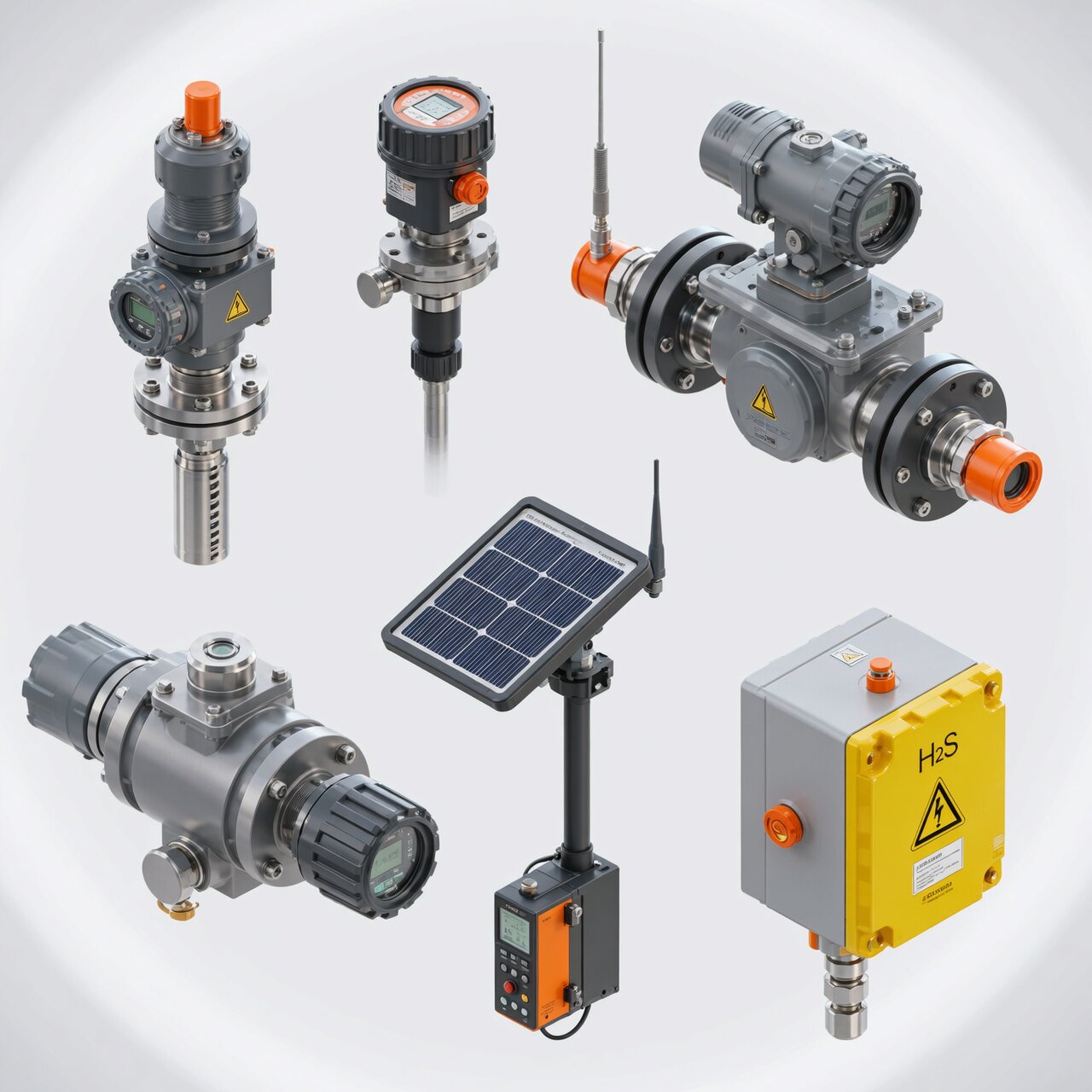
Oil and gas instrumentation for wellhead monitoring, pipeline measurement, custody transfer, tank farm level, separator control, and process unit control with explosion-proof equipment and field-proven reliability
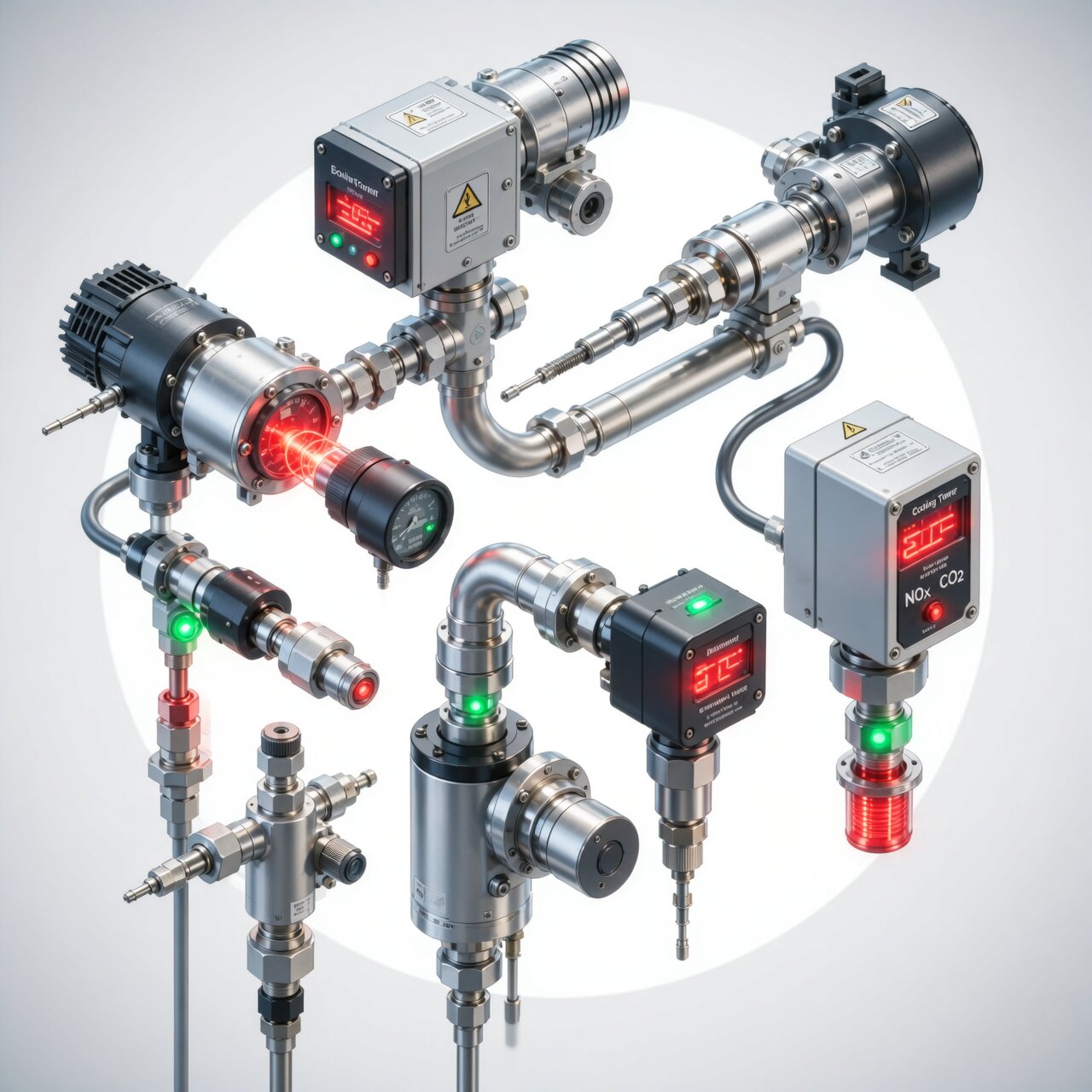
Power generation instrumentation for boilers, turbines, condensers, feedwater systems, emissions monitoring, and cooling towers with high-temperature ratings and regulatory compliance for reliable power production
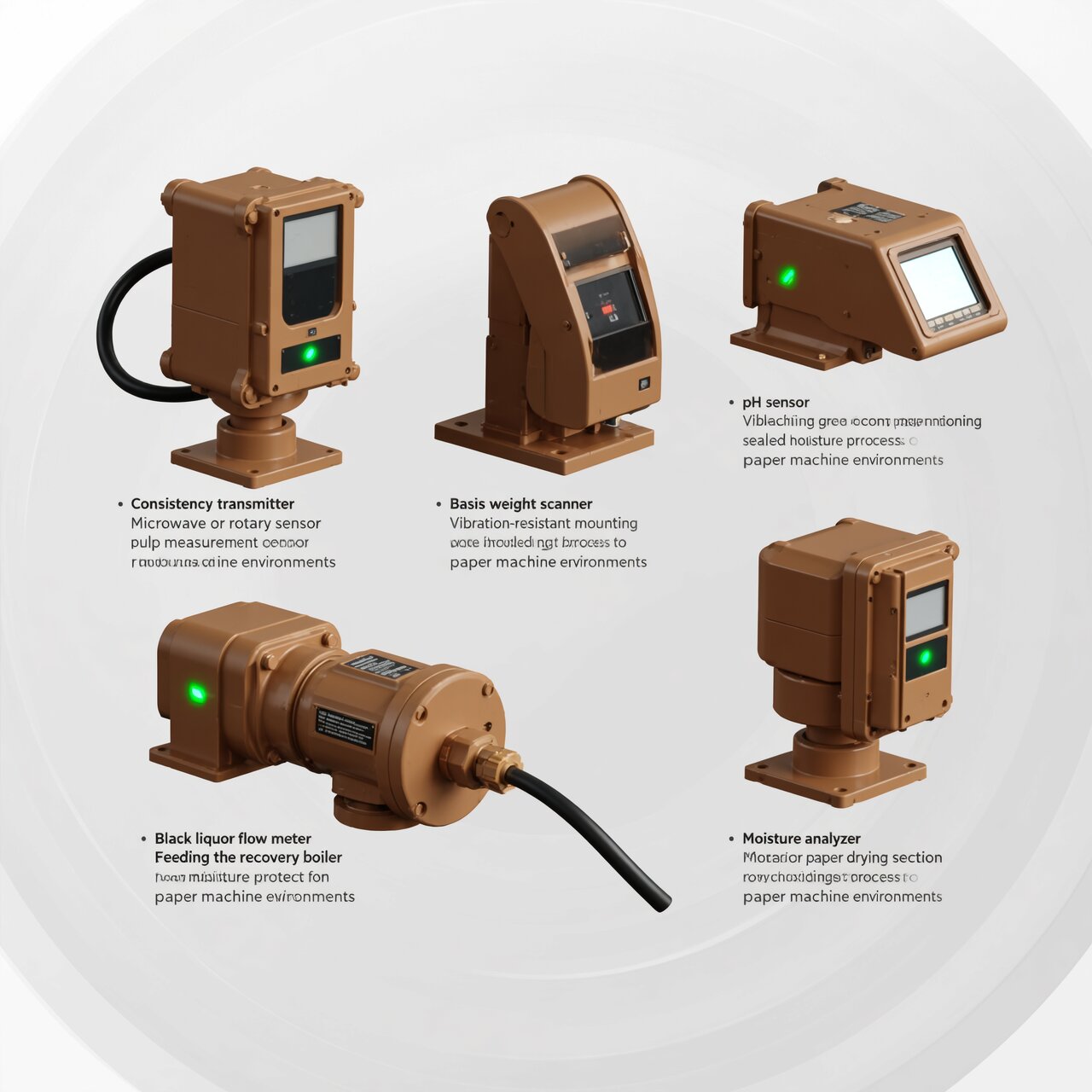
Pulp and paper mill instrumentation including consistency measurement, basis weight control, bleaching process monitoring, black liquor measurement, and paper machine control for continuous production
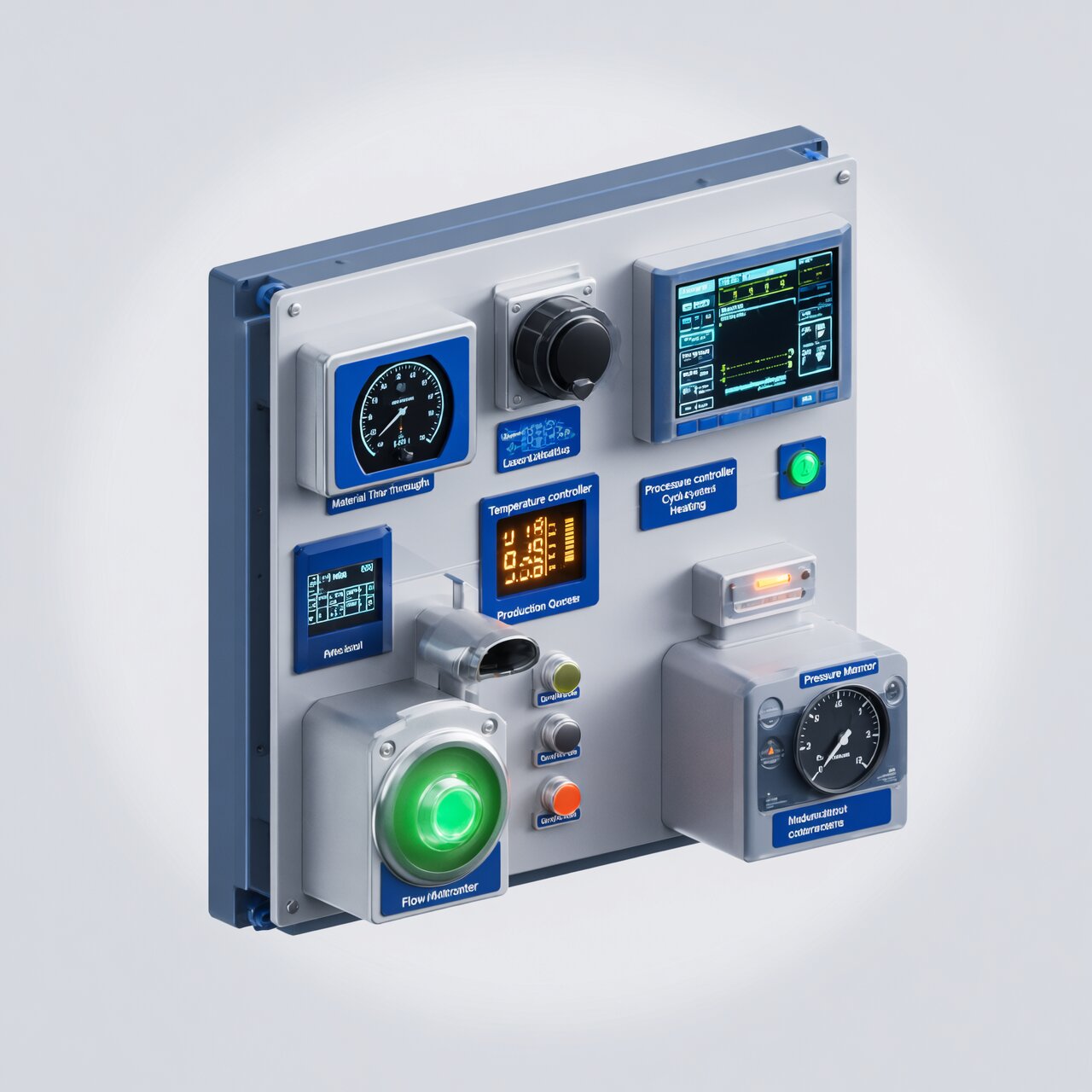
Manufacturing process instrumentation for production line monitoring, quality measurement systems, compressed air flow, temperature control, and automated process control for consistent product quality