
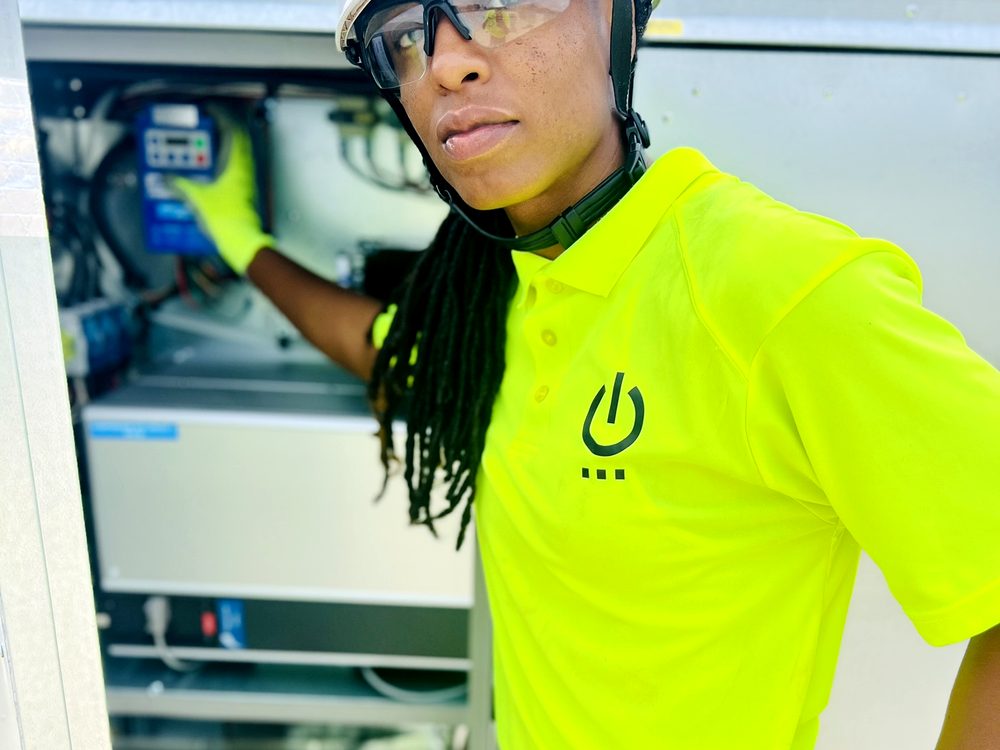

What Does an Industrial Automation Systems Integrator Actually Do?
You've heard the term. It's on vendor websites, in RFPs, in the job title of the person you're supposed to call when your production line stops talking to itself.
But "industrial automation systems integrator" is one of those phrases everyone uses and almost nobody defines.
So here's the plain version: an industrial automation systems integrator is the person or company that makes your equipment, your controls, and your software actually work together — instead of existing as three separate systems that happen to share a building.
If you've ever had a conveyor that won't communicate with your warehouse management system, a PLC that was programmed by someone who left the company in 2015, or a "smart" facility that's really just a collection of expensive machines having individual conversations with nobody — you already know why this role exists.
The One-Line Answer
A systems integrator takes automation hardware (PLCs, sensors, drives, robots, conveyors) and automation software (SCADA, HMI, MES) and makes them function as one coordinated system, engineered around how your facility actually operates.
That's the job. Everything below is what it takes to do it right.
What "Systems Integrator" Actually Means Beyond the Buzzword
Anyone can sell you a PLC. Anyone can install a conveyor.
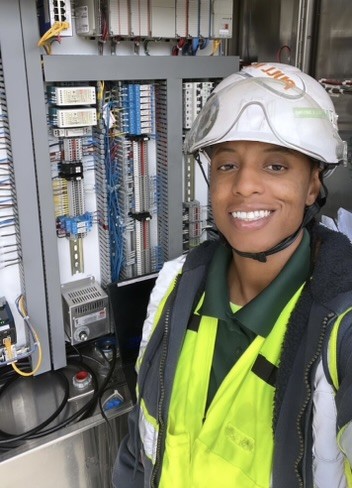
The integrator's actual value shows up in the space between the equipment — the wiring, the logic, the communication protocols, the parts nobody sees until they fail.
Hardware Integration
This is the physical layer — getting PLCs, HMIs, VFDs, sensors, and control panels wired, powered, and communicating on the same network.
Allen-Bradley talking to Siemens. Legacy equipment talking to something installed last quarter. EtherNet/IP, PROFINET, Modbus TCP, DeviceNet — the protocols have to agree with each other before anything upstream matters.
Software & Controls Integration
This is where the ladder logic, the SCADA screens, and the HMI interfaces get built and tied together. A good integrator writes PLC programs that operators can actually troubleshoot at 2 AM, not code that only makes sense to the person who wrote it.
Alarm management, data trending, recipe management — all of it has to reflect how the floor actually runs, not how a spec sheet imagined it would.
Process Integration
The layer most vendors skip. This is understanding your process — batch sequencing, material flow, safety interlocks, quality checkpoints — well enough to build a system that fits it, instead of forcing your process to bend around generic automation architecture.
What a Systems Integrator Project Actually Looks Like
Assessment & Design
Before any panel gets built, a real integrator walks the floor, reviews your existing controls (or the absence of them), and maps out what's actually needed versus what's being upsold.
This is where engineered drawings, I/O counts, and network architecture get defined — the boring part that prevents six-figure mistakes later.
Panel Fabrication & PLC Programming
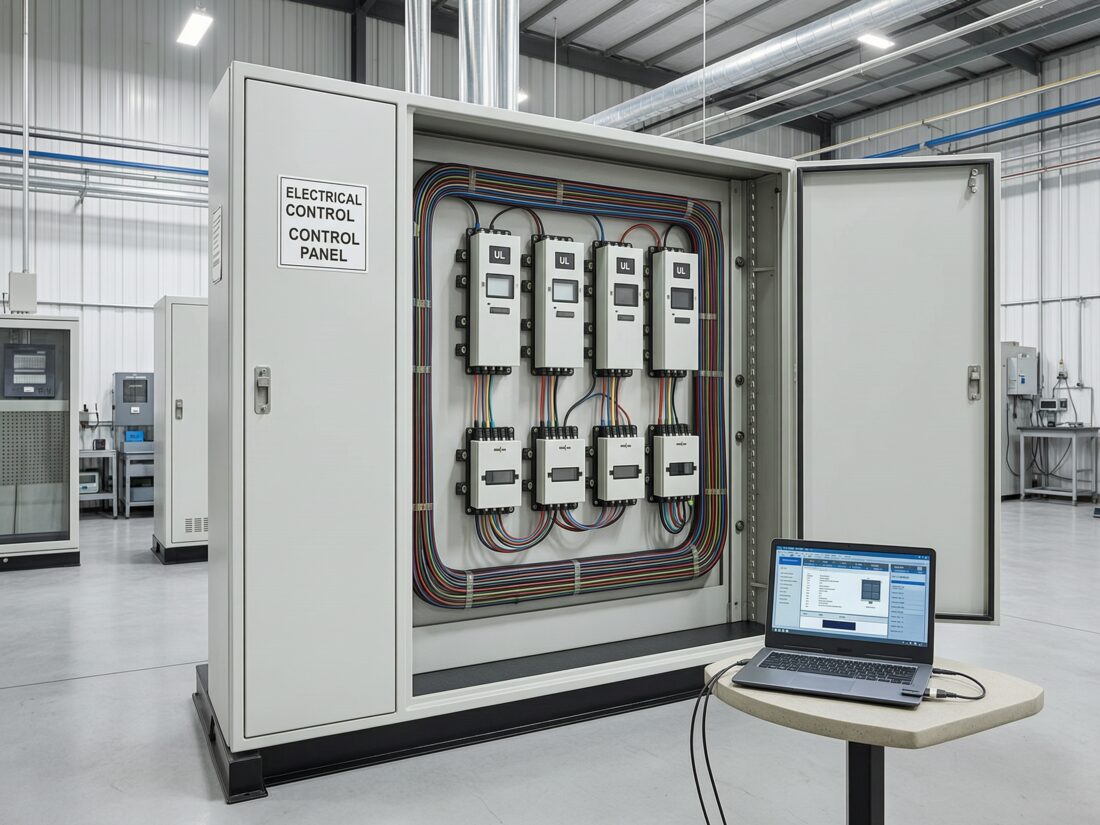
Control panels get built to UL508A standards, wired, labeled, and documented. PLC programs get written for the platform your facility already runs — or the one you're migrating to.
This isn't shrink-wrapped software; every panel is built for the specific equipment it's controlling.
Installation & Commissioning
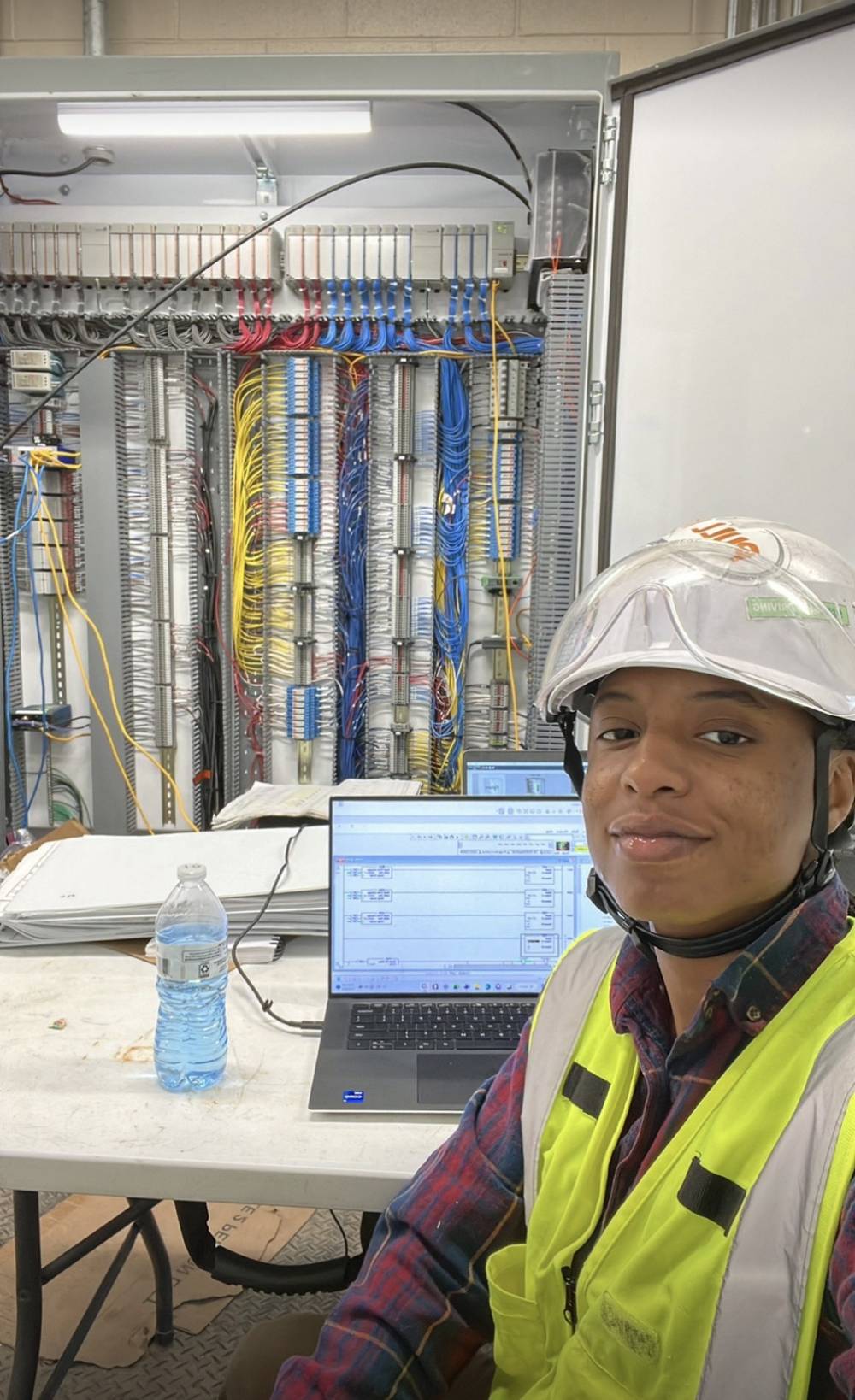
Equipment goes in, gets powered up, and gets tested — loop by loop, not all at once and hope.
Commissioning is where you find out whether the sensor actually talks to the PLC, whether the PLC actually talks to the SCADA system, and whether the whole chain does what it's supposed to do before your production schedule depends on it.
Ongoing Support
Automation systems don't get "finished" — they get maintained.
A systems integrator worth hiring sticks around for troubleshooting, modifications, and the inevitable moment three years from now when someone asks why the system does something nobody remembers programming it to do.
What Actually Drives the Cost of an Integration Project
This is usually the first question after "what do you do," so it's worth answering honestly instead of dodging it with "it depends" and nothing else.
Scope of I/O. The number of inputs and outputs — sensors, actuators, motors, valves — is the single biggest cost driver. More points to wire, program, and test means more engineering hours, full stop.
Platform and software licensing. Siemens TIA Portal, Rockwell FactoryTalk, and other proprietary platforms carry licensing costs on top of programming labor. The platform you're already standardized on (or migrating to) shapes the budget before a single wire gets pulled.
Existing infrastructure condition. Retrofitting a facility with clean, documented wiring and reasonably modern equipment costs less than untangling a system where three decades of "temporary fixes" became permanent.
Safety system requirements. Light curtains, safety relays, e-stops, and lockout/tagout integration aren't optional add-ons in most industrial environments — they're code requirements that add real engineering time.
Commissioning complexity. A single-line, single-shift facility commissions faster than a 24/7 operation that can't afford downtime during testing. Working around a live production schedule costs more than working on a shut-down line.
None of this means bigger is automatically more expensive per unit of value — a well-scoped project often costs less per outcome than a series of piecemeal fixes stacked on top of each other over years.
But it does mean "how much does an integrator cost" only has a real answer after a proper assessment, not before one.
Systems Integrator vs. Equipment Vendor vs. In-House Maintenance
An equipment vendor sells you the PLC, the drive, the robot. They're rarely responsible for how it plays with everything else already running in your facility.
In-house maintenance keeps existing systems running — invaluable, but usually not staffed or equipped to design and commission new integrated systems from the ground up.
A systems integrator sits above both — designing, building, and commissioning the connective tissue between all of it, then handing you a system your own team can actually run and maintain.
None of these replace the others. But if your facility's automation problem is coordination — things that work in isolation but fail together — the integrator is the role built specifically to solve that.
It's worth being honest about where the lines blur, too. Plenty of equipment vendors now offer "integration services" as an add-on, and plenty of maintenance departments handle small-scale programming changes internally without issue.
The distinction that actually matters isn't the job title on someone's business card — it's whether the person doing the work is thinking about your whole system's behavior, or just the piece they were hired to install.
A vendor optimizing their own equipment's performance isn't the same as an integrator optimizing how your entire line — sensors, PLCs, SCADA, and the people operating all of it — works together.
How to Evaluate an Industrial Automation Systems Integrator
A few questions worth asking before you sign anything:
- Which PLC platforms do they actually program — Allen-Bradley, Siemens, Schneider, Omron? A shop that only knows one platform will quietly push you toward it whether or not it fits your facility.
- Do they provide engineered drawings and as-built documentation, or does "documentation" mean a folder of receipts?
- Have they worked in your industry specifically? Food and beverage sanitary design, hazardous location electrical, pharmaceutical GMP compliance — these aren't interchangeable skill sets.
- What happens after commissioning? If the answer is "we'll send an invoice and see you never," that's a vendor, not an integration partner.

When Facilities Actually Call an Integrator
The pattern is almost always one of these:
- A new automated line needs to be designed and built from scratch.
- An existing system has grown into a patchwork of equipment from different eras that no longer communicates cleanly.
- A legacy PLC platform is heading toward obsolescence and nobody wants to be the one explaining the outage when it finally fails.
- Multiple facilities need the same automation standard applied consistently across sites.
If any of that sounds familiar, that's the exact gap an industrial automation systems integrator is built to close — bringing warehouse automation, factory automation, and facility-wide control systems under one coordinated design instead of a collection of equipment that happens to share a building.
FAQ
Does a systems integrator only work with new equipment?
No — a large share of integration work is retrofitting and modernizing existing systems, not just greenfield builds. Legacy PLC migrations and control panel upgrades are as common as new installs.
How long does a typical integration project take?
It depends entirely on scope — a single control panel replacement might take days, while a facility-wide automation overhaul spans months of design, fabrication, and commissioning. Assessment is where that timeline actually gets defined.
Can a systems integrator work with equipment from multiple manufacturers?
Yes, and this is a core part of the job. Most facilities run a mix of brands accumulated over years — the integrator's role is making Allen-Bradley, Siemens, and everything in between communicate on the same network.
What's the difference between a systems integrator and a controls engineer?
A controls engineer typically designs and programs the logic; a systems integrator manages the full scope — design, panel fabrication, programming, installation, and commissioning as one coordinated project, often with a controls engineer as part of that team.
Do I need an integrator if I already have in-house maintenance staff?
Usually yes, for new design and commissioning work specifically — in-house teams are essential for day-to-day operation, but integration projects require dedicated design and programming bandwidth most maintenance departments aren't staffed for.
What industries use industrial automation systems integrators most?
Manufacturing, food and beverage processing, pharmaceutical, chemical processing, warehousing and distribution, and automotive supply chains are the heaviest users — anywhere coordinated material flow and process control directly affect output.
Is it cheaper to hire an integrator once for a big project, or piecemeal as problems come up?
A single well-scoped project is almost always more cost-effective long-term than a string of reactive fixes, since piecemeal repairs tend to layer incompatible equipment and undocumented logic on top of each other — which is exactly the tangled system an integrator eventually gets called in to untangle anyway.
What documentation should I expect to receive after a project is complete?
At minimum: as-built electrical drawings, PLC program backups, network architecture diagrams, and panel wiring documentation. If a company can't produce this after commissioning, you own a system nobody — including them — can service later without starting from scratch.