


Hiring the wrong industrial automation systems integrator doesn't just mean a mediocre result. It means a control panel nobody can troubleshoot, documentation that doesn't exist, and a second company eventually getting paid to fix what the first one built.
Charleston's manufacturing base — from port logistics to food processing to advanced manufacturing — means there's no shortage of companies willing to take your project. Not all of them are equipped to actually finish it well.
What This Guide Covers
This isn't a list of generic "ask good questions" advice. It's the specific things worth checking before you sign a contract — technical fit, local practicalities, and the red flags that separate a real integration partner from someone who's going to learn on your dime.
Start With Technical Fit, Not Just Reputation
PLC Platform Experience
Ask specifically which platforms they program — Allen-Bradley, Siemens, Schneider, Omron. A company that only knows one platform will quietly steer you toward it, whether or not it's the right fit for your existing equipment or your facility's long-term standardization plan.
Industry-Specific Experience
Food and beverage processing has sanitary design requirements. Chemical and hazardous locations have specific electrical classifications. Pharmaceutical work often requires GMP compliance documentation. General industrial experience doesn't automatically transfer — ask for examples from your specific industry, not just "industrial" in general.
UL508A Panel Fabrication
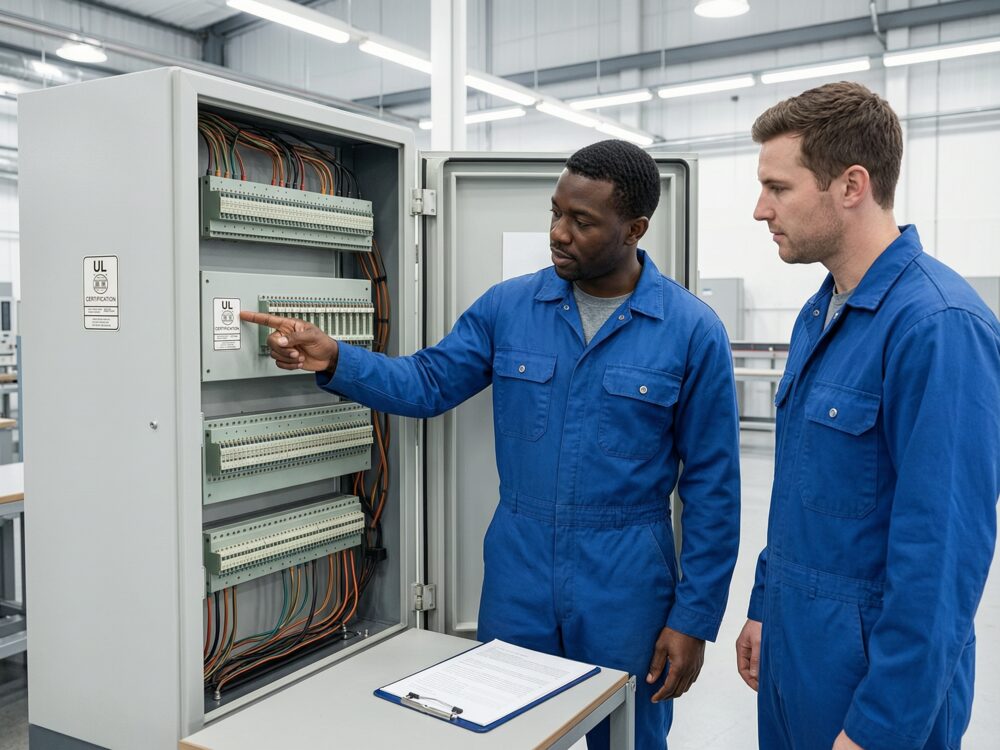
If the project involves building control panels, confirm they fabricate to UL508A standards. This isn't optional paperwork — it's what determines whether your insurance carrier and local inspectors will actually sign off on the finished installation.
What Matters Specifically for a Charleston-Area Project
Actual Response Time, Not Advertised Response Time
"24/7 emergency service" means very different things depending on whether the company has technicians actually based near Charleston, or whether "24/7" means someone drives in from three hours away. Ask directly where their nearest team is staged.
Familiarity With Local Inspection and Permitting
Companies that regularly pull permits and pass inspections in the Charleston area move faster than ones encountering local requirements for the first time. This alone can be the difference between a two-week delay and a smooth commissioning.
Port, Manufacturing, and Maritime-Adjacent Experience
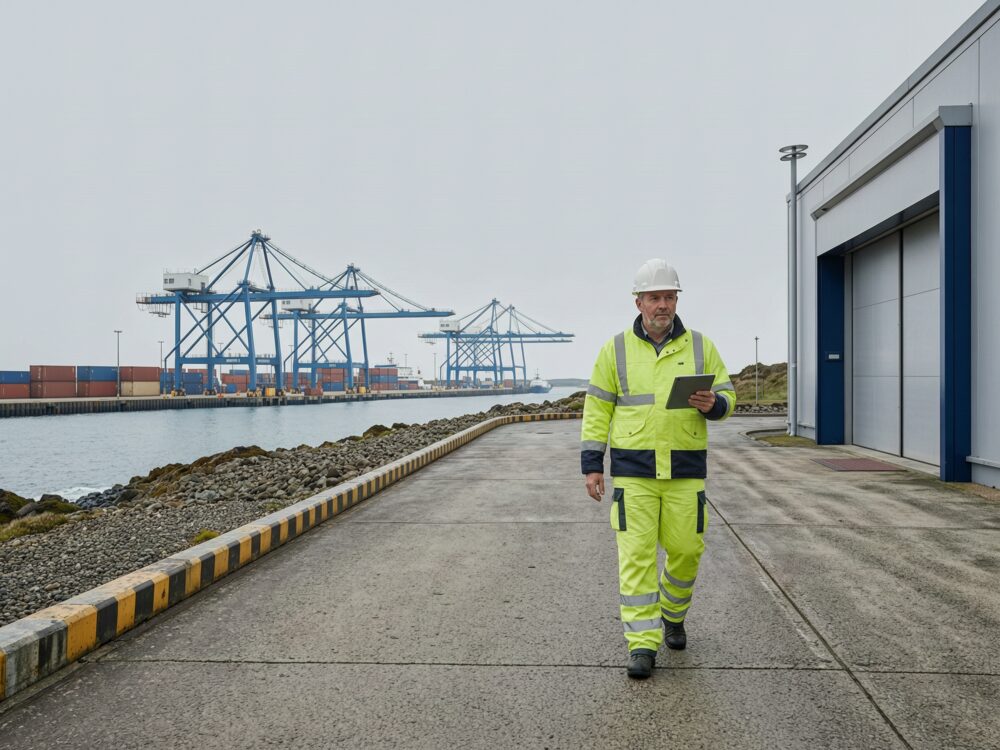
Charleston's industrial base has real concentration around port logistics, manufacturing, and maritime-adjacent operations. An integrator with direct experience in this specific regional mix understands constraints — humidity, corrosion considerations, specific equipment vendors common in the area — that a generalist from elsewhere may not.
Red Flags That Should End the Conversation
A few signals worth taking seriously if you notice them during the sales process:
- They can't produce real project photos or documentation — not stock imagery, actual panels they've built, actual as-built drawings from past work.
- Every answer is vague on purpose. "We handle all platforms" without naming specifics, "we're always available" without a real response-time commitment — vagueness at the sales stage usually predicts vagueness at the project stage too.
- No mention of documentation handoff. If they don't proactively bring up what you'll receive after commissioning — drawings, program backups, network diagrams — assume you won't get it unless you fight for it in writing beforehand.
- Pressure to sign before a proper assessment. A legitimate integrator wants to walk your facility and understand scope before committing to a firm number. Anyone quoting a complex project sight-unseen is guessing, not estimating.
Still Working Out the Basics?
If you're not yet sure what this category of work even involves day to day, start with our breakdown of what an industrial automation systems integrator actually does.
And if you've noticed companies calling themselves slightly different things — controls integrator, automation integrator, control systems company — here's whether that distinction actually matters.
When you're ready to talk specifics, our controls integrator and automation integrator team handles PLC programming, SCADA integration, and panel fabrication across Charleston and the surrounding region.
FAQ
How much does it cost to hire an industrial automation systems integrator in Charleston?
Cost depends entirely on project scope — I/O count, platform, existing infrastructure condition, and safety requirements all factor in. A proper on-site assessment is the only way to get an accurate number; be cautious of firm quotes given without one.
Should I hire a local Charleston integrator or a larger national firm?
Both can work well — the deciding factor is response time and regional experience, not company size. A locally staffed team with real Charleston-area project history often outperforms a larger firm dispatching from out of state, especially for ongoing support after commissioning.
What questions should I ask before signing a contract?
At minimum: which PLC platforms they program, whether they fabricate to UL508A standards, what documentation you'll receive after commissioning, and what their actual on-site response time looks like for your specific location.
How long does it take to find and vet a qualified integrator?
Plan for at least a few weeks if you're doing it properly — enough time for an on-site assessment, a real proposal based on that assessment (not a sight-unseen estimate), and reference checks if the project is significant in scope.
Can I switch integrators partway through a project if it's not going well?
Yes, though it's costly and disruptive — another reason thorough vetting up front matters. If you do need to switch, insist on full documentation handoff from the outgoing integrator so the new team isn't starting from zero.
Skip the Vetting Process — Talk to Us Directly
We're happy to answer every question on this list ourselves — PLC platforms, UL508A fabrication, response times, documentation handoff, all of it — during a free virtual quote.
No pressure to sign, no sight-unseen guessing. Just a real conversation about your project.
Schedule My Free Virtual QuoteOr call 1-888-586-5554 — 24/7 for industrial and commercial projects.